







Where to Start Reading Amelia Peabody
For the best experience, you should start your journey with the very first novel, Crocodile on the Sandbank (1975). This book introduces Amelia, establishes her relationship with the irascible Radcliffe Emerson, and sets the humorous, adventurous tone for the rest of the series. Reading the books out of order will spoil major relationship dynamics, marriages, births, and recurring villain arcs.
The Two Reading Paths: Publication vs. Chronological Order
Because the series spans decades of fictional time, readers generally choose between two orders: the order the books were written (Publication Order) or the order in which the historical events occur (Chronological Order). While they are mostly identical, Elizabeth Peters wrote several prequel-style gap-fillers later in her career.
1. Recommended Path: Publication Order
We strongly recommend reading in Publication Order. Elizabeth Peters (the pen name of academic Egyptologist Barbara Mertz) wrote the series with a natural evolution of character maturity, family relationships, and writing style. Reading in this order prevents spoilers for the family status and ensures you meet recurring characters exactly when the author intended to introduce them.
2. Chronological Order (Timeline Order)
If you want to experience the saga strictly as the timeline unfolds from 1884 to 1923, you can choose the Chronological Order. Be warned: reading chronologically means inserting late-series books containing a slightly different tone and mature writing style directly into the middle of the early series. The major adjustments to make are:
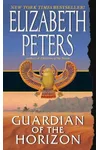
- Guardian of the Horizon (published 16th) fits chronologically as the 11th book, set in 1907–1908.
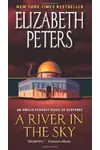
- A River in the Sky (published 19th) fits chronologically as the 12th book, set in 1910.
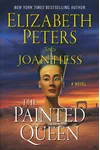
- The Painted Queen (published 20th) fits chronologically as the 14th book, set in 1912.
Co-Authored Books and Posthumous Completions
The final novel in the series, The Painted Queen, was published posthumously in 2017. Following Barbara Mertz's death in 2013, her close friend and fellow mystery writer Joan Hess completed the book using Mertz's detailed outlines and partially written manuscript. Egyptologist Lois Bremer also assisted to ensure the historical details remained accurate.
The Non-Fiction Companion Book
For dedicated fans, Elizabeth Peters co-authored Amelia Peabody's Egypt: A Compendium (2003) with Kristen Whitbread. Written from Amelia's perspective, this heavily illustrated companion guide offers historical context on Victorian Egyptology, character biographies, and a previously unpublished journal entry.