
Where Should You Start Reading Assassin’s Creed Books?
With over two dozen books spanning different eras from ancient Egypt to Victorian London, finding a starting point can seem daunting. Fortunately, you don't need to read everything to enjoy the series. Here are the two best ways to start:
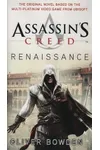
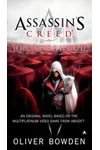
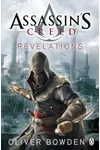
- The Ezio Auditore Trilogy (Recommended): Start with Renaissance, followed by Brotherhood and Revelations. Written by Oliver Bowden, this trilogy follows the fan-favorite Italian Assassin Ezio Auditore. It is the most cohesive story arc in the franchise and offers the perfect introduction to the lore of the Assassins and Templars.
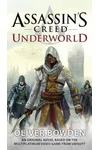
- The Historical Era of Your Choice: Because most of the novels function as standalone historical thrillers tied to specific settings, you can simply pick up the book that matches your favorite time period. Love pirate history? Start with Black Flag. Intrigued by Victorian London? Try Underworld.
Assassin’s Creed Books in Publication Order
Reading in publication order allows you to experience the expansion of the universe just as it happened for fans. Here is the complete list of core novels and major prose releases in order of publication:
- Renaissance (2009) by Oliver Bowden
- Brotherhood (2010) by Oliver Bowden
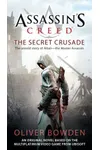
- The Secret Crusade (2011) by Oliver Bowden
- Revelations (2011) by Oliver Bowden
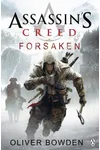
- Forsaken (2012) by Oliver Bowden
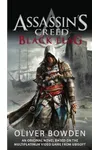
- Black Flag (2013) by Oliver Bowden
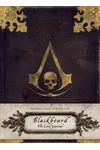
- Blackbeard: The Lost Journal (2014) by Christie Golden
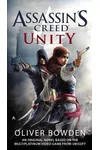
- Unity (2014) by Oliver Bowden
- Underworld (2015) by Oliver Bowden
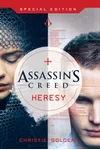
- Heresy (2016) by Christie Golden
- Last Descendants (2016) by Matthew J. Kirby
- Tomb of the Khan (2016) by Matthew J. Kirby
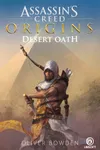
- Desert Oath (2017) by Oliver Bowden
- Fate of the Gods (2017) by Matthew J. Kirby
- Odyssey (2018) by Gordon Doherty
- Valhalla: Geirmund's Saga (2020) by Matthew J. Kirby
- The Ming Storm (2021) by Yan Leisheng
- Fragments: The Blade of Aizu (2021) by Olivier Gay
- Fragments: The Highlands Children (2021) by Alain T. Puysségur
- Valhalla: Sword of the White Horse (2022) by Elsa Sjunneson
- The Magus Conspiracy (2022) by Kate Heartfield
- The Desert Threat (2022) by Yan Leisheng
- Fragments: The Witches of the Moors (2022) by Adrien Tomas
- The Golden City (2023) by Jaleigh Johnson
- The Resurrection Plot (2023) by Kate Heartfield
- Mirage: Daughter of No One (2023) by Maria Lewis
Understanding the Subseries and Imprints
To help you organize your reading, the books can be grouped into distinct categories based on their publishers, target audiences, and story structures:
The Classic Game Novelizations (Penguin Books era)
Most of the early novels published by Penguin Books and written by Oliver Bowden (a pseudonym for Anton Gill and Andrew Holmes) directly adapt or expand upon the main video games. They closely follow the games' protagonists like Altaïr, Ezio, Connor, Edward, Arno, and Jacob Frye.
The Young Adult Trilogies
If you prefer YA pacing, there are two distinct series to check out:
- Last Descendants Trilogy: Written by Matthew J. Kirby, this trilogy (Last Descendants, Tomb of the Khan, and Fate of the Gods) follows a group of teenagers using the Animus to find pieces of Eden.
- Fragments Trilogy: A series of young adult novels (The Blade of Aizu, The Highlands Children, and The Witches of the Moors) focusing on siblings caught in conflicts across historical Japan, Scotland, and France.
Aconyte Books and Modern Lore Expansion
Since taking over the prose publishing license in 2020, Aconyte Books has focused on original standalone stories and new trilogies that expand the universe rather than direct game novelizations:
- The Shao Jun Duology: Comprising The Ming Storm and The Desert Threat, these books follow the Chinese Assassin Shao Jun.
- The Engine of History Trilogy: Written by Kate Heartfield, this includes The Magus Conspiracy and The Resurrection Plot, exploring the Assassin-Templar conflict in the Victorian era.
Chronological Order vs. Publication Order
Should you read chronologically? While you can read the books based on the historical era they are set in, it isn't highly recommended. The frame stories involving the modern-day Animus technology will feel disjointed, and the writing style varies significantly between early game tie-ins and modern original novels. Stick to publication order or read by subseries for the best experience.