
The Recommended Reading Order
For the best experience, we recommend reading the Bardic Voices series in publication order. This sequence follows the natural chronological progression of the world, introduces you to the core rules of Alanda’s music-based magic, and gradually expands the political and social conflicts of the Twenty Kingdoms.
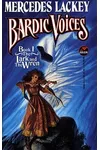
- The Lark and the Wren (1991) – Starts the saga by introducing Rune, a tavern fiddler who defies the sexist restrictions of the official Bardic Guild to join the rogue Free Bards.
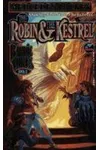
- The Robin & the Kestrel (1993) – Follows the gypsy bard Robin and the fugitive prince Kestrel as they work together to thwart a conspiracy aimed at outlawing music entirely.
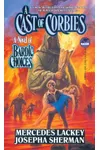
- A Cast of Corbies (1994) – Co-authored with Josepha Sherman. This book is officially designated as a Bardic Choices novel, but it acts as a crucial mid-series installment following the Free Bards as they clash with the oppressive Church.
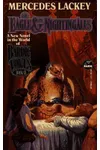
- The Eagle & the Nightingales (1995) – Focuses on the gypsy bard Nightingale and her non-human partner T’fyrr, a birdman, as they investigate a king's inaction against the rising threat of the Church.
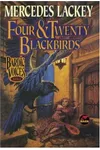
- Four & Twenty Blackbirds (1997) – A darker standalone murder mystery that pivots to a police-procedural style, following constable Tal Rufen rather than a bard.
Publication Order vs. Chronological Order
Fortunately, the chronological order matches the publication order. The main point of variation for readers is A Cast of Corbies. Because it was published under the spin-off banner Bardic Choices, some older lists skip it. However, it takes place directly between the events of The Robin & the Kestrel and The Eagle & the Nightingales, referencing returning characters and advancing the overall plot. We strongly suggest keeping it in the third slot.
Meanwhile, Four & Twenty Blackbirds is technically a standalone novel set in the same universe. It features minor character cameos (such as the Justiciar Mage Ardis) but does not require any knowledge of the first four books. You can safely read it first, last, or skip it entirely if you are only interested in the musical storylines.
The Core World of Alanda
In the world of Alanda, music is more than entertainment—it is a conduit for magical spells. The series highlights the struggle of the Free Bards, who use their artistry to preserve liberty, against both the rigid Guild and the hostile, puritanical Church. Lackey's personal background as a folk music lyricist shines through in the rich, authentic descriptions of instruments, compositions, and the life of traveling musicians.