
Where to Start Reading the Beijing / China Thriller Series
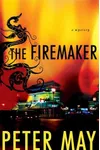
To fully appreciate the narrative arc and the evolving, complex relationship between Beijing detective Li Yan and American forensic pathologist Margaret Campbell, readers should start at the very beginning with The Firemaker. The chronological order matches the publication order exactly, making it straightforward to follow the characters' personal and professional growth.
Beijing / China Thriller Reading Order
Here is the recommended reading order for the series:
- The Firemaker (1999) — Margaret Campbell arrives in Beijing to teach forensic pathology and finds herself teamed up with Li Yan to investigate a high-stakes conspiracy.
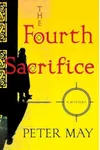
- The Fourth Sacrifice (2000) — The duo investigates a series of ritualistic executions that threaten political stability and test cultural boundaries.
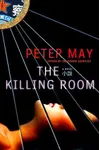
- The Killing Room (2000) — Set in Shanghai, where the discovery of a mass grave containing mutilated women forces Li Yan and Margaret to confront a dark underworld.
- Snakehead (2002) — A thriller focusing on human smuggling, taking the protagonists from the docks of the UK back to China.
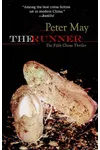
- The Runner (2003) — Set against the backdrop of Olympic preparations, tracking a conspiracy within the high-stakes world of elite track athletes.
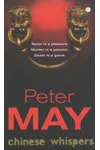
- Chinese Whispers (2004) — The dramatic six-book series finale where Li Yan hunts the elusive serial killer known as the Beijing Ripper.
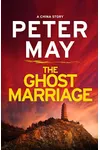
- The Ghost Marriage (2010 / 2017) — A follow-up novella that catches up with the couple and their young son years later, focusing on the ancient Chinese custom of posthumous marriages (Minghun).
Understanding "The Ghost Marriage"
While the main narrative of the China Thrillers is resolved in the first six novels, The Ghost Marriage serves as a delightful epilogue. This short story has a unique history: it was originally published in 2010 by French publisher Hachette (Éditions Didier) as an educational title for learners of English. It was later released globally in English as a digital e-book and audiobook in 2017, providing fans with a final look into Li and Margaret's domestic life in Beijing.
Research & Authenticity
Peter May spent years researching Chinese society, culture, and police procedures. He was granted rare access to forensic and homicide departments in Beijing and Shanghai, which allowed him to write with a high degree of authenticity. This dedication led to him becoming the first Western writer to be named an honorary member of the Chinese Crime Writers' Association.