
Where to Start Reading Blandings Castle
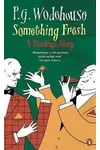
While P.G. Wodehouse’s comedic stories are largely self-contained and can be enjoyed individually, starting at the beginning is the best way to watch the cast of eccentric characters grow. We recommend beginning your journey with the very first novel, Something Fresh (1915), which introduces the absent-minded Lord Emsworth, the formidable castle, and the chaotic charm of the British aristocracy.
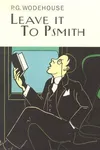
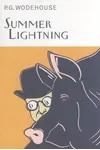
If you want to jump straight into the peak of Wodehouse's comedic formula, other popular entry points include Leave it to Psmith (1923) or the classic Summer Lightning (1929).
Publication Order of Blandings Castle Books
Reading the series in publication order allows you to follow the natural evolution of Wodehouse's writing style and the development of the castle's recurring inhabitants. Here is the publication sequence based on the local database:
- Something New / Something Fresh (1915) – The novel that started it all, introducing Ashe Marson and a plot involving a stolen scarab.
- Leave it to Psmith (1923) – A brilliant crossover novel featuring the suave, monocled Psmith.
- Summer Lightning / Fish Preferred (1929) – The book that introduces the legendary prize pig, the Empress of Blandings.
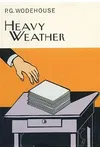
- Heavy Weather (1933) – The direct, hilarious sequel to Summer Lightning.
- Blandings Castle and Elsewhere (1935) – A crucial collection of short stories, including the introduction of the Earl of Ickenham (Uncle Fred).
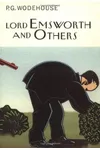
- Lord Emsworth and Others / The Crime Wave at Blandings (1937) – A collection that features Lord Emsworth and other Wodehouse creations.
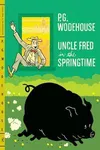
- Uncle Fred in the Springtime (1939) – Uncle Fred arrives at the castle, bringing his signature brand of helpful chaos.
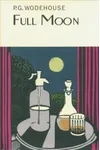
- Full Moon (1947) – A classic tale of romantic entanglements and pig-related drama under the Shropshire sky.
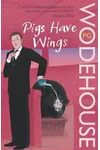
- Pigs Have Wings (1952) – A fierce rivalry erupts over the crown of the fattest pig in Shropshire.
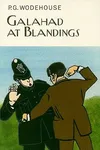
- Galahad at Blandings / The Brinkmanship of Galahad Threepwood (1964) – Lord Emsworth's younger brother, Gally, takes center stage to save the young lovers.
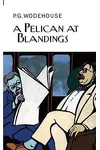
- A Pelican at Blandings (1969) – The final full novel Wodehouse completed in the series.
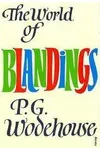
- The World of Blandings (1976) – A major omnibus collecting several core Blandings stories.
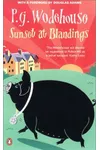
- Sunset at Blandings (1977) – Wodehouse's final, unfinished novel, published posthumously with notes showing how he intended to finish the plot.
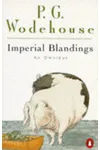
- Imperial Blandings (1992) – A posthumous collection containing various Blandings material.
- Lord Emsworth Acts for the Best (2001) – A posthumous collection of stories featuring the beloved Earl.
Subseries, Crossovers, and Key Characters
The Blandings Castle universe is famous for absorbing characters from other P.G. Wodehouse series. Understanding these connections helps enrich your reading experience:
- The Psmith Crossover: Ronald Eustace Psmith is the star of his own series (starting with Mike). His appearance in Leave it to Psmith makes that book a direct bridge between the two worlds.
- Uncle Fred's Visits: Frederick Altamont Cornwallis Twistleton, the 5th Earl of Ickenham, stars in his own stories but brings his impersonations and "sweetness and light" directly to Blandings in Uncle Fred in the Springtime.
- Galahad Threepwood: Lord Emsworth’s younger brother, Gally, is a former member of the rowdy Pelican Club. Gally acts as a recurring savior for young lovers, constantly outwitting his sister, Lady Constance.
Chronological Caveats and Short Stories
If you prefer to read chronologically, the primary challenge lies in the short stories. The Blandings-specific short stories in collections like Blandings Castle and Elsewhere (1935) take place earlier in the timeline, before the events of Summer Lightning. However, because Wodehouse prioritizes comedy over strict continuity, trying to construct a perfect timeline can be frustrating. A publication-order approach is the safest and most rewarding way to experience the series.