

How to Read The Dark Tower: The Recommended Path
Stephen King’s The Dark Tower is the linchpin of his entire literary universe, weaving together elements of dark fantasy, Western grit, cosmic horror, and science fiction. Because the series spans decades of writing and serves as a nexus for dozens of other King novels, starting Roland Deschain’s quest can feel intimidating. However, the best and most practical way for any reader to approach the series is simple: read the core novels in the order they were published, with one optional chronological adjustment.
Here is the recommended reading path for the core novels:
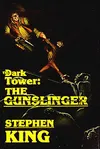
- The Gunslinger (1982) – Introduces Roland of Gilead, the last gunslinger, pursuing the elusive Man in Black across a decaying desert. Note: It is highly recommended to read the 2003 Revised and Expanded Edition, which King polished to better align with the tone and continuity of the later novels.
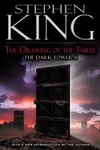
- The Drawing of the Three (1987) – Roland travels to doors opening onto different eras of New York City to assemble his companions, forming his "ka-tet" (Eddie Dean, Odetta Holmes, and later Jake Chambers).
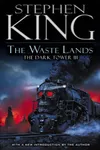
- The Waste Lands (1991) – The ka-tet journeys along the Path of the Beam, navigating a crumbling city and encountering the sentient, riddle-loving train, Blaine the Mono.
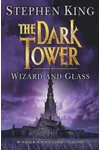
- Wizard and Glass (1997) – While beginning and ending in the present, the vast majority of this novel is a flashback prequel detailing Roland’s tragic first love, Susan Delgado, and his early adventures in Hambry.
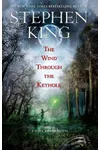
- The Wind Through the Keyhole (2012) – Published years after the final book, King designates this as "Book 4.5." It fits chronologically right here, providing a nested set of folklore stories while the ka-tet takes shelter from a severe storm.
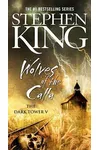
- Wolves of the Calla (2003) – The ka-tet defends the town of Calla Bryn Sturgis from robotic invaders and meets Father Donald Callahan, a character crossing over from King's classic vampire novel, 'Salem's Lot.
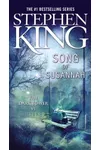
- Song of Susannah (2004) – A fast-paced, action-oriented entry focusing on Susannah's possession by the entity Mia and the portal to our world.
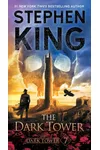
- The Dark Tower (2004) – The epic, divisive, and unforgettable conclusion to Roland's journey as he reaches the titular structure holding the multiverse together.
Chronological vs. Publication Order: The Book 4.5 Dilemma
The main reading order debate surrounds The Wind Through the Keyhole. Because it is chronologically situated between volumes 4 and 5, readers have two valid paths to choose from:
The Chronological Path (Read as Book 4.5): Reading it immediately after Wizard and Glass allows you to enjoy a smooth chronological timeline. It acts as a cozy buffer between the emotional peak of Roland's backstory in book 4 and the escalating stakes of book 5. The downside is that it pauses the main quest's forward momentum with nested tales.
The Publication Path (Read at the End): Reading it after the final book allows you to return to Mid-World for a nostalgic visit. This is the safest bet for readers who want to rush toward the grand finale of the main quest without taking a detour, saving this companion story for later.
The Dark Tower Graphic Novels
In addition to the novels, the lore of Mid-World is expanded in a series of highly acclaimed graphic novels originally published by Marvel Comics and later compiled in comprehensive omnibus editions by Gallery 13 (an imprint of Simon & Schuster) starting in 2019 and 2020. These graphic novels, plotted by Robin Furth and scripted by Peter David, provide incredible visual depth to Roland's early years and adapt key events from the books.
The Gunslinger Graphic Novels (Gallery 13 Omnibus, 2019)
This series adapts the events of the first novel and related lore. The collection includes:
- The Journey Begins
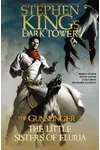
- The Little Sisters of Eluria (adapting the prequel novella of the same name)
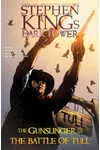
- The Battle of Tull
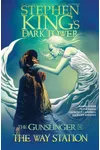
- The Way Station
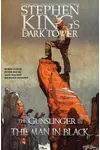
- The Man in Black
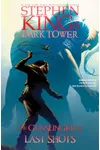
- Last Shots
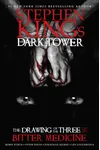
The Drawing of the Three Graphic Novels (Gallery 13 Omnibus, 2020)
This arc visualizes the drawing of Roland's companions from New York. The collection includes:
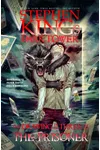
- The Prisoner
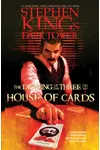
- House of Cards
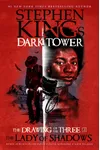
- Lady of Shadows
- Bitter Medicine
The Expanded Multiverse: Essential Tie-Ins
Because the Dark Tower stands at the center of Stephen King's multiverse, many of his other books cross over into Roland's journey. While you do not need to read these tie-ins to follow the core plot, reading them will greatly enrich your experience. For readers who want the full "Constant Reader" experience, here are the most important connected works and where they fit best:
- 'Salem's Lot (1975) – Essential background for Father Callahan, who becomes a major character in book 5. Read this anytime before Wolves of the Calla.
- The Stand (1978) – Introduces Randall Flagg (the Man in Black) and features a setting heavily referenced in the beginning of book 4. Read this before Wizard and Glass.
- Insomnia (1994) – Directly introduces the Crimson King, the main antagonist of the final Dark Tower book, along with critical lore. Read this before book 7.
- Hearts in Atlantis (1999) – Specifically the novella "Low Men in Yellow Coats," which explains the breakers and introduces Ted Brautigan. Read this before book 7.
- Everything's Eventual (2002) – This collection contains the Dark Tower prequel novella "The Little Sisters of Eluria" (set before the first book) and the title story "Everything's Eventual," featuring Dinky Earnshaw.
- The Talisman (1984) and Black House (2001) – Explore alternate realities (The Territories) and the concept of twinners, directly tying into the Tower's mechanics.
What to Know Before You Start
Before you take your first steps along the Path of the Beam, keep these practical tips in mind:
Push through the first book: The Gunslinger was written when King was very young, and its tone is notably more abstract, dreamlike, and slower than the rest of the series. If it doesn't immediately grab you, press on to The Drawing of the Three, which introduces the high-stakes, character-driven style the series is famous for.
Don't burn out on tie-ins: It is easy to get overwhelmed trying to read 15 related books alongside the core series. If you are a first-time reader, prioritize the main storyline. The Easter eggs in standalone novels are just as satisfying to discover in reverse on a future re-read.
Expect genre shifts: The series does not stay in one genre lane. It transitions from gritty spaghetti Western to portal fantasy, high sci-fi, and meta-fictional horror. Embrace the ride and trust King's vision.