
How to Read the Daughters of Hastings Series in Order
Written by historical novelist Carol McGrath, the Daughters of Hastings trilogy is a beautifully researched saga that views the dramatic events of the 1066 Norman Conquest through the eyes of the women who lived through it. The series focuses on the family of King Harold Godwinson—the last crowned Anglo-Saxon king of England—and the women who had to navigate the collapse of their world, exile, and new lives under Norman rule.
To get the most out of the narrative arcs, character development, and historical timeline, you should read the trilogy in its original publication order. The recommended reading path is:
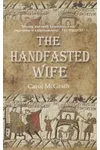
- The Handfasted Wife (2013) – Focuses on Edith Swanneck, King Harold’s handfasted wife, as she faces the immediate aftermath of the Battle of Hastings.
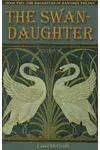
- The Swan-Daughter (2014) – Follows Gunnhild, Edith's daughter, as she navigates life in a Norman-dominated England and makes a daring escape to avoid the veil.
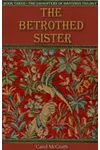
- The Betrothed Sister (2015) – Centers on Gytha (Thea), Harold's daughter, as she travels into exile in Denmark and eventually journeys to the royal court of Kiev.
Publication Order vs. Chronological Order
For the Daughters of Hastings trilogy, the publication order matches the chronological timeline perfectly, making the reading order straightforward. Here is how the timeline unfolds across the three books:
- The Handfasted Wife: The story begins just before the fateful Battle of Hastings in 1066. It covers the defeat of Harold, the loss of Anglo-Saxon lands, and Elditha's (Edith Swanneck's) struggle to protect her surviving children and secure her own survival in the initial years of the Norman Conquest.
- The Swan-Daughter: Set primarily around 1075, this book picks up a few years later. Gunnhild is now a young woman residing at Wilton Abbey. Rather than taking her vows to become a nun, she elopes with Count Alan of Brittany (Alan the Black), leading to a complicated journey through Norman-controlled estates and Brittany.
- The Betrothed Sister: Although it begins in 1068 during the initial waves of rebellion and exile, this book spans a longer chronological period as it follows Harold's daughter, Gytha (referred to as Thea in the novel). It charts her flight to Denmark, her life at the court of King Sweyn, and her eventual marriage alliance that takes her to Kiev, ending the trilogy on a sweeping international scale.
Because the emotional weight of each book builds directly on the tragedies and survival strategies of the previous ones, starting with The Handfasted Wife is highly recommended.
Deep Dive Into the Trilogy
1. The Handfasted Wife (2013)
The trilogy opens with the story of Edith Swanneck (Elditha), who lived as King Harold's common-law wife under the Anglo-Saxon tradition of handfasting (marriage more danico) for over twenty years. When Harold is pressured into a political marriage with Alditha of Mercia to secure his crown, Edith is cast aside. Following Harold's death at the Battle of Hastings, Edith is forced to navigate the hostile new landscape dominated by William the Conqueror, fighting to protect her family's legacy and her own dignity.
2. The Swan-Daughter (2014)
The second book shifts focus to Gunnhild, the daughter of Edith and Harold. Raised and educated at Wilton Abbey to keep her safe from Norman reprisals, Gunnhild is expected to take holy vows. Desperate to escape a life behind convent walls, she leaves the abbey with Count Alan of Brittany. Their relationship is fraught with political intrigue, questions of trust, and romance, shedding light on the complex alliances between the victorious Normans and the displaced Saxon nobility.
3. The Betrothed Sister (2015)
The final volume traces the fate of Gytha (Thea), Harold's elder daughter. Seeking revenge and refuge, she flees England for the court of her cousin, King Sweyn of Denmark. Stifled by court life and realizing she cannot return home, she agrees to a diplomatic marriage to Vladimir Monomakh, a prince of Kiev. The story chronicles her long journey across Europe, her struggle to adapt to the customs and language of the Rus, and her quest to carve out her own authority as a grand princess.
Practical Reader Advice and FAQs
If you are planning to dive into Carol McGrath’s historical world, here are a few things to keep in mind:
- Can they be read as standalones? Yes, each book features a self-contained story focusing on a different heroine. However, because the characters are mother, daughter, and sister, the overarching themes of exile, family bonds, and the collapse of Saxon England are much more impactful when read in sequence.
- Historical Accuracy: McGrath is a trained historian, and her novels are highly praised for their rich details of 11th-century domestic life—from the intricate art of embroidery and tapestry to medieval food, medicine, and religious customs.
- A Note on Names: To avoid confusing modern readers with similar-sounding Anglo-Saxon names, McGrath makes slight adjustments (for example, referring to Gytha as Thea).
Related Works by Carol McGrath
Once you finish the Daughters of Hastings trilogy, you can explore Carol McGrath’s other historical fiction series that feature similarly strong female leads:
- The Rose Trilogy: Comprising The Silken Rose, The Damask Rose, and The Stone Rose, this series moves forward in time to the High Middle Ages, centering on key royal women of the 13th and 14th centuries.
- The She-Kings Series / Angevin Novels: Books like The Stolen Crown (following Empress Matilda and Queen Maud during the Anarchy) and The Lost Queen continue McGrath's tradition of exploring medieval history through the female perspective.