

















The Recommended Reading Path
For the ultimate courtroom experience, readers should follow the David Brunelle series in its publication order. While the legal cases in each book function as self-contained mysteries that are resolved by the final page, the characters’ personal lives, professional careers, and underlying relationships evolve continuously from one book to the next. Starting at the beginning ensures you do not spoil major personal milestones or the shifting dynamics between Brunelle and his recurring allies and adversaries.
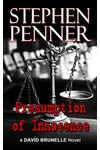
The series begins with Presumption of Innocence, introducing David as a dedicated prosecutor in the Seattle District Attorney's office. Reading chronologically is straightforward, with only minor exceptions for shorter stories that slip between the main novels. To experience the characters' growth as the author intended, stick to the release sequence.
David Brunelle Books in Order
Here is the chronological order of the David Brunelle series based on publication history, tracking his progression from a fresh Seattle prosecutor to a seasoned legal veteran:
- Presumption of Innocence (2012): Book 1 introduces David Brunelle as he prosecutes a high-stakes murder case where the confession of an accomplice is his only real piece of evidence.
- Tribal Court (2013): Book 2 takes Brunelle out of his comfort zone and into a Native American tribal court, where a jurisdictional murder trial sparks a cycle of blood revenge. This book is also notable for introducing Talon Winter.
- By Reason of Insanity (2013): Book 3 pits Brunelle against a defense team attempting to secure a verdict of temporary insanity for a brutal killer, challenging the limits of the justice system.
- A Prosecutor for the Defense (2013): Book 4 finds Brunelle in an unusual role when he is forced to defend a fellow prosecutor accused of a crime, testing his professional ethics.
- Beyond a Reasonable Doubt (2013): A shorter case (often numbered as Book 1.5 in chronological guides) that focuses on a seemingly simple murder case that quickly spirals out of control.
- Case Theory (2013): Book 6 in publication order, this shorter entry tests Brunelle's strategy when a single ballistics detail threatens to dismantle his entire case.
- Substantial Risk (2014): Book 7 deals with the high stakes of corporate greed and personal safety, as Brunelle navigates the political fallout of a murder investigation.
- Corpus Delicti (2015): Book 8 challenges Brunelle to secure a conviction for homicide in a case where investigators have failed to locate a victim's body.
- Accomplice Liability (2016): Book 9 focuses on the legal complexities of prosecuting individuals who did not commit the physical act of murder but orchestrated it from behind the scenes.
- A Lack of Motive (2017): Book 10 presents a baffling crime where the suspect has no apparent reason to kill the victim, leaving Brunelle to search for a hidden connection.
- Missing Witness (2018): Book 11 raises the tension when the star witness of a major trial disappears right before they are scheduled to testify.
- Diminished Capacity (2018): Book 12 explores mental health defenses as Brunelle tries to hold a calculating offender accountable.
- Devil's Plea Bargain (2019): Book 13 forces Brunelle to make a difficult deal with a notorious criminal to bring down an even greater threat to Seattle.
- Homicide in Berlin (2020): Book 14 takes Brunelle abroad, testing his legal instincts in an international setting where the rules of prosecution are completely different.
- Premeditated Intent (2021): Book 15 pits Brunelle against inadmissible evidence and a vengeful ex-convict who is determined to ruin the prosecutor's career.
- Alibi Defense (2022): Book 16 focuses on a case where the primary suspect has an ironclad alibi, forcing Brunelle to find the flaw in their timeline.
- Defense of Others (2022): Book 17 explores the gray areas of self-defense and vigilante justice in the wake of a neighborhood tragedy.
- Necessity (2023): Book 18 deals with the legal defense of necessity, where a defendant argues they committed a minor crime to prevent a greater disaster.
Chronological Caveats and Short Stories
While the publication list is the simplest path to follow, there are minor chronology adjustments for dedicated fans. The story Beyond a Reasonable Doubt is chronologically set earlier in Brunelle’s career (often placed as Book 1.5, directly after the events of Presumption of Innocence). Similarly, the short story Case Theory acts as a brief legal snapshot rather than a sprawling novel. If you prefer a strict timeline, read Beyond a Reasonable Doubt second, before diving into Tribal Court.
Spin-offs and the Shared Universe
One of the highlights of the series is its connection to the Talon Winter Legal Thriller series. Talon Winter is first introduced in Tribal Court (Book 2) as a tough-as-nails criminal defense attorney who frequently clashes with Brunelle. The professional and personal chemistry between the two characters made Winter a fan favorite. Stephen Penner later gave her a dedicated spin-off series beginning with Winter's Law. This spin-off is set in Tacoma, Washington, and focuses entirely on her defense cases. Reading the early Brunelle books provides excellent context for Talon's background before you start her standalone series.
What to Know Before You Start
Stephen Penner’s legal thrillers stand out for their exceptional realism. Penner drew directly from his 25 years of real-life legal experience as a criminal trial lawyer, defense attorney, and prosecutor in the Seattle area. Because of this background, the courtroom procedures, legal maneuvers, and prosecutorial strategies depicted in the books are highly authentic. All books in the series are solo-authored by Penner, maintaining a consistent narrative tone and sharp pacing throughout. The stories frequently touch on real-world issues, such as systemic bias, mental health, and the emotional toll that prosecuting murders takes on the human soul.