
How to Read the DC Ian Bradshaw Books in Order
Howard Linskey’s acclaimed police procedural series is best experienced in the order the books were published. Because the series relies heavily on character development, evolving personal relationships, and the shifting dynamics of the core investigative trio, reading them sequentially ensures you do not spoil key personal milestones or past cases.
Here is the recommended reading path for the series:
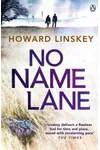
- No Name Lane (2015)
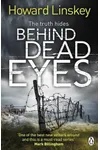
- Behind Dead Eyes (2016)
- The Search (2017)
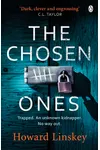
- The Chosen Ones (2018)
A Closer Look at the Books
1. No Name Lane (2015)
The series begins with No Name Lane, which introduces readers to the atmospheric and bleak winter of Northeast England. Detective Constable Ian Bradshaw is assigned to investigate a decades-old cold case after a body is discovered on a remote stretch of land. At the same time, a serial killer begins terrorizing the local area, abducting young girls. As the police search stalls, investigative journalist Helen Norton and true-crime writer Tom Carney launch their own parallel inquiry. The book establishes the signature multi-perspective narrative style of the series, shifting between police procedures and investigative journalism to build a comprehensive view of a community gripped by fear.
2. Behind Dead Eyes (2016)
Set in 1995, the second installment escalates the tension. The central mystery begins when a severely mutilated body is discovered; the killer has meticulously erased the victim's identity, even removing their fingerprints. While Ian Bradshaw searches for a missing young woman who might hold the key to the victim's identity, Helen Norton stumbles onto a massive conspiracy involving local government corruption. Meanwhile, Tom Carney is pulled into investigating a potential miscarriage of justice involving a past murder conviction. The three threads slowly converge into a dark conspiracy that tests the trust and limits of the main characters.
3. The Search (2017)
The Search introduces a chilling cat-and-mouse dynamic. Adrian Wicklow, a terminally ill serial killer who has spent decades behind bars, suddenly offers to reveal the location of one of his earliest victims, Susan Verity, who vanished during the sweltering summer of 1976. DS Ian Bradshaw is tasked with extracting the truth from Wicklow's manipulative mind games. Bradshaw enlists the help of Carney and Norton to verify Wicklow's claims. The story moves between the bleak mid-1990s investigation and flashbacks to the events of 1976, creating a haunting layer of historical dread.
4. The Chosen Ones (2018)
The final novel in the core series begins with the abduction of a young woman named Eva Dunbar, who wakes up disoriented and trapped inside a dark metal container. As Bradshaw, Norton, and Carney investigate her disappearance, they uncover a chilling pattern of similar abductions stretching back across several decades. The investigation leads the trio into cold war secrets, hidden military bunkers, and a deeply disturbing psychological puzzle. It serves as a high-stakes conclusion to the major narrative arcs established across the previous books.
The Core Characters and Dynamics
What sets the DC Ian Bradshaw series apart from typical police procedurals is its unique focus on a trio of investigators who operate both inside and outside the law:
- DC (later DS) Ian Bradshaw: A highly capable but deeply flawed detective carrying personal guilt from his past. He represents the official, procedural side of the investigations but is willing to cooperate with outsiders to get results.
- Helen Norton: A fierce, ambitious investigative journalist who refuses to back down in the face of institutional cover-ups or personal danger. She provides a sharp, analytical perspective on the cases.
- Tom Carney: A dedicated true-crime writer whose persistence and ability to gain the trust of witnesses and victims' families often unearths clues the police miss.
The interactions between these three characters form the emotional core of the series. Rather than competing, their distinct professional tools—police forensics, journalistic exposés, and deep narrative investigation—complement each other as they seek justice.
Setting and Context: The 1990s Northeast
Linskey, a former journalist originally from County Durham, uses his deep familiarity with the region to make Northeast England a character in its own right. The series is set against the backdrop of industrial decline, tight-knit communities, and isolated rural stretches. Because the stories take place in the 1990s, the characters must rely on old-school detective work: knock on doors, build physical paper trails, search public archives, and wait for landline calls. This pre-digital setting heightens the suspense, as characters cannot rely on mobile phones, GPS tracking, or instant database searches to rescue them from dangerous situations.
Reader Advice and Frequently Asked Questions
If you are new to Howard Linskey’s work, here is what you need to keep in mind:
- Start with the first book: While each book features a self-contained primary crime mystery, the personal lives, professional promotions, and psychological scars of Bradshaw, Carney, and Norton carry over directly from one book to the next.
- Expect a darker tone: The series deals with heavy themes, including historical child abuse, serial murder, and institutional corruption. It is best suited for fans of gritty, realistic crime fiction like Ian Rankin, Val McDermid, or Ann Cleeves.
- Standalone status: You can read the books out of order and still follow the plot of the individual mysteries, but you will miss the nuance of how the core trio goes from cautious allies to a tight-knit investigative team.