



































































Where to Begin Your Journey: Recommended Starting Points
With hundreds of novels spanning more than six decades, there is no single, mandatory point of entry for Doctor Who fiction. Because the franchise deals with time travel, regeneration, and multiple publishers, the books are organized by distinct historical ranges rather than a single, chronological numbering system. How you start depends entirely on what era of the show you enjoy most.
Option 1: The New Series Adventures (For Modern Whovians)
If you fell in love with Doctor Who through the modern TV revival (from 2005 onward), the New Series Adventures (NSAs) published by BBC Books are your best starting point. These books feature the Ninth through Fourteenth Doctors and their respective television companions. They are written to feel like lost television episodes. They are almost entirely standalone, meaning you can pick up any book featuring your favorite Doctor and dive right in without worrying about prior continuity. Excellent entry points include The Clockwise Man by Justin Richards (featuring the Ninth Doctor and Rose Tyler in 1920s London) or The Monsters Inside by Stephen Cole.
Option 2: Target Novelisations (For Classic Fans & Quick Reads)
If you appreciate the classic era (1963–1989) or want quick, nostalgic reads, the legendary Target Books novelisations are perfect. Beginning in the 1970s (with a few early editions dating back to 1964), Target set out to novelize almost every televised Doctor Who serial. Written by show legends like Terrance Dicks, these books are faithful adaptations of the TV episodes, often adding deleted scenes or extra character insights. They are highly episodic and can be read in any order based on which classic TV stories you want to experience in prose.
Option 3: The Eighth Doctor Adventures (For a Long, Serialized Arc)
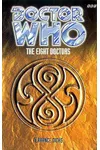
If you want a deep, novel-exclusive continuation with a single Doctor, start with the BBC Eighth Doctor Adventures (EDAs). Because the Eighth Doctor only appeared in the 1996 TV movie before the 2005 TV revival, his era was largely defined by these books. Unlike other ranges, the EDAs feature a continuous, highly serialized story arc with significant character development, new companions (like Fitz Kreiner and Compassion), and universe-altering events. Start with The Eight Doctors by Terrance Dicks and read them in publication order.
Understanding the Major Doctor Who Book Ranges
To navigate the library shelves, it helps to understand who published what, and when. The history of Doctor Who literature is divided into a few landmark eras:
The Virgin New Adventures (1991–1997)
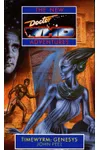
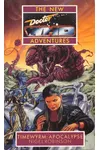
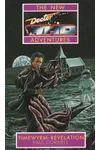
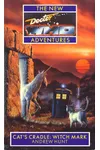
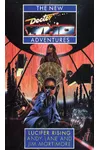
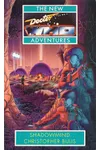
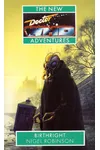
After the television series was cancelled in 1989, Virgin Books took up the mantle to continue the Doctor's adventures. The Virgin New Adventures (VNAs) focused on the Seventh Doctor, taking his character in a darker, more mature, and complex direction. This range introduced iconic companion Bernice Summerfield and laid the narrative groundwork for what the television show would eventually become when it returned in 2005. The VNAs are highly serialized and should be read in publication order, starting with Genesys. Subseries like the Timewyrm quartet and the Cat's Cradle trilogy offer smaller, self-contained arcs within this era.
The Virgin Missing Adventures (1994–1997)
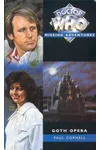
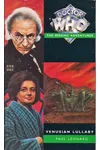
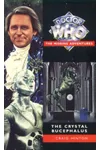
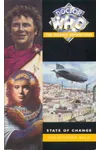
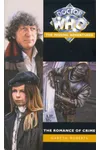
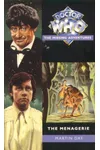
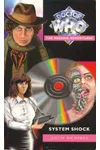
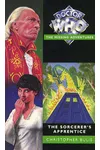
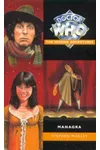
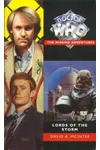
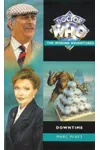
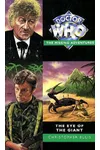
Running alongside the VNAs, the Missing Adventures focused on the First through Sixth Doctors, placing new stories between televised classic episodes. These are generally standalone adventures that capture the lighter, nostalgic tone of the original TV series, in contrast to the darker themes of the VNAs.
BBC Past Doctor Adventures (1997–2005)
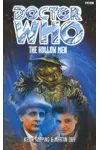
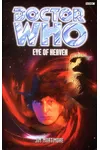
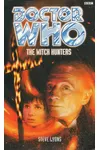
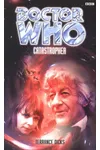
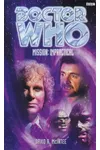
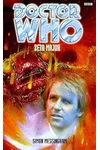
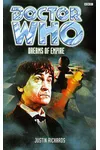
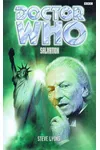
After the BBC reclaimed the publishing rights, they launched the Past Doctor Adventures (PDAs). These books allowed authors to write new stories for the First through Seventh Doctors. Like the Virgin Missing Adventures, these are mostly standalone and do not require reading in strict sequence. You can simply pick them up based on the Doctor or companions featured.
Publication Order vs. Chronological Order
In a franchise centered on time travel, "chronological order" is a concept that is both incredibly complex and generally discouraged for new readers. Attempting to read the books chronologically based on the historical settings of the stories (e.g., starting with stories set in ancient history and ending in the far future) results in a disjointed experience that ruins character arcs, companion introductions, and ongoing subplots.
Even attempting to read the books chronologically based on the Doctor's personal timeline (from the First Doctor to the Thirteenth) is highly impractical. Because different book ranges were published concurrently—such as the Eighth Doctor Adventures and the Past Doctor Adventures releasing books side-by-side in the late 1990s—jumping between them will disrupt the evolution of the authors' styles and the franchise's real-world publishing history.
The Verdict: The safest, most enjoyable approach is to read in publication order within each specific book range. If you are reading the Eighth Doctor Adventures or the Virgin New Adventures, strict publication order is essential due to the heavy serialization. For the Past Doctor Adventures and New Series Adventures, order matters much less, and you can freely bounce around.
Crucial Caveats: Continuity and Ongoing Arcs
Before you dive in, there are a few unique rules of Doctor Who continuity to keep in mind:
- The Question of Canon: The BBC has never established an official "canon" for Doctor Who. The books, audio dramas, comics, and television show frequently contradict one another. Most fans treat the books as an alternative timeline or parallel adventures that exist alongside the TV show.
- Major Arc Disruptions: Ranges like the Seventh Doctor VNAs and the Eighth Doctor EDAs contain massive, permanent changes to the lore—such as the destruction of Gallifrey or the Doctor losing his memory—which do not align with how these Doctors are portrayed in later television specials. Enjoy these ranges as self-contained literary universes.
- Co-authored and Special Books: Keep an eye out for special releases like Scratchman (2019), a spooky tale co-written by Fourth Doctor actor Tom Baker, or Shada (2012), Gareth Roberts' novelisation of a legendary, unfinished Douglas Adams TV script. These offer unique insights outside the standard ranges.