












How to Read the Dr. Alan Gregory Series
For the ultimate reading experience, the Dr. Alan Gregory series should be read in publication order. Because the books progress chronologically, reading them in order allows you to follow the complex evolution of Alan's clinical practice, his marriage to assistant district attorney Lauren Crowder, and his uneasy but enduring partnership with Boulder detective Sam Purdy. Crucial life milestones, ongoing legal threats, and personal crises develop across the span of the twenty books, meaning jumping in mid-series can spoil major plot points from earlier installments.
Dr. Alan Gregory Books in Publication Order
Stephen White's series began in 1991 and concluded in 2013. Below is the list of all twenty novels in the order they were published:
- Privileged Information (1991)
- Private Practices (1993)
- Higher Authority (1994)
- Harm's Way (1996)
- Remote Control (1997)
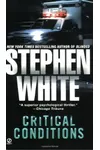
- Critical Conditions (1998)
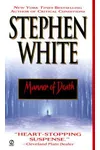
- Manner of Death (1999)
- Cold Case (2000)
- The Program (2001)
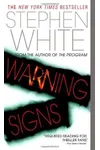
- Warning Signs (2002)
- The Best Revenge (2003)
- Blinded (2004)
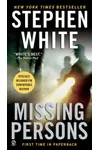
- Missing Persons (2005)
- Kill Me (2006)
- Dry Ice (2007)
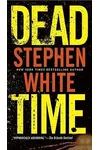
- Dead Time (2008)
- The Siege (2009)
- The Last Lie (2010)
- Line of Fire (2012)
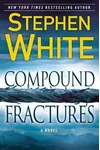
- Compound Fractures (2013)
Chronological Caveats and Key Perspective Shifts
While the publication timeline aligns perfectly with the chronological events of the series, there are several novels that deviate from the standard formula of having Dr. Alan Gregory as the primary investigator:
- The Program (Book 9): In this novel, Alan Gregory plays a minimal role, functioning largely as a background presence. The story instead centers on Kirsten Lord, a New Orleans prosecutor entering the Witness Protection Program in Colorado, and Carl Luppo, a former mob hitman.
- The Siege (Book 17): This installment pivots entirely to Detective Sam Purdy, who serves as the central protagonist. The plot functions as a fast-paced, standalone hostage-crisis thriller, showing a different side of the Boulder law enforcement landscape.
- Line of Fire (Book 19) and Compound Fractures (Book 20): The final two books function as a direct duology that resolves the long-term legal and ethical secrets that Alan and Sam have kept over the years. They must be read together to appreciate the series' ultimate conclusion.
What to Know Before You Start
Stephen White was himself a clinical psychologist before turning to fiction writing, which infuses the series with a high degree of authenticity. Rather than solving crimes with weapons, Alan Gregory uses psychological profiling, clinical intuition, and patient histories. This introduces a recurring theme: the ethical boundaries of therapist-client confidentiality, where Alan must decide how to prevent violence without breaking his professional oath.
Additionally, the series deals heavily with realistic personal themes. Lauren Crowder's diagnosis and ongoing battle with multiple sclerosis (MS) is a major subplot that shapes the couple's choices and vulnerabilities throughout the books. The rugged, beautiful backdrop of Boulder, Colorado, acts almost as a character itself, grounding the high-stakes suspense in a vivid, local community setting.