













Where to Start Reading Dr David Audley
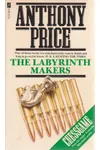
For most readers, the best path through Anthony Price’s intellectual espionage series is the publication order. Starting with the debut novel, The Labyrinth Makers (1970), introduces you to David Audley at the height of his early career and establishes the unique tone of the series: dialogue-driven, highly analytical, and deeply rooted in historical mysteries.
However, if you want a standalone showcase of the series’ absolute best qualities before committing to all 19 novels, you can start with Other Paths to Glory (1974). This fifth book in the series won the Crime Writers’ Association Gold Dagger and is widely considered a masterpiece of spy fiction, seamlessly weaving a modern Cold War security threat with the tragic history of the Battle of the Somme from World War I.
The Two Reading Orders
Because Anthony Price frequently wrote prequels that explored the younger days of David Audley and the origins of the Research and Development (R&D) Section, readers have two distinct ways to tackle the saga: by publication date or by internal chronological order.
Option 1: Publication Order (Recommended)
Reading the books in the order they were written allows you to experience the characters as they were originally introduced to the public, with their pasts slowly unspooling in flashbacks and dedicated prequel novels. The characters age in real-time throughout the contemporary books, mirroring the geopolitical evolution of the Cold War from 1970 to 1989.
- The Labyrinth Makers (1970)
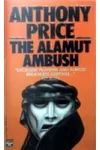
- The Alamut Ambush (1971)
- Colonel Butler's Wolf (1972)
- October Men (1973)
- Other Paths to Glory (1974)
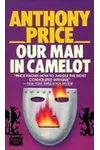
- Our Man in Camelot (1975)
- War Game (1976)
- The '44 Vintage (1978)
- Tomorrow's Ghost (1979)
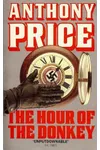
- The Hour Of The Donkey (1980)
- Soldier No More (1981)
- The Old Vengeful (1982)
- Gunner Kelly (1983)
- Sion Crossing (1984)
- Here Be Monsters (1985)
- For the Good of the State (1986)
- A New Kind of War (1987)
- A Prospect Of Vengeance (1988)
- The Memory Trap (1989)
Option 2: Chronological Order
If you prefer to follow the characters' lives in a linear path, you can read the historical prequels first. This starts the story during World War II, showing David Audley's recruitment and early intelligence work long before he becomes the eccentric, senior strategist of the R&D Section.
- The Hour of the Donkey (set in 1940) – Explores Dunkirk, featuring Audley’s father and early mentors.
- The '44 Vintage (set in 1944) – Features a young David Audley on his first military intelligence assignment.
- A New Kind of War (set in 1945) – Follows Audley at the immediate end of WWII.
- Soldier No More (set in 1957) – Set during the aftermath of the Suez Crisis.
- The Labyrinth Makers (set in 1970) – The first published book, initiating the contemporary Cold War era.
- The Alamut Ambush (set in 1970)
- Colonel Butler's Wolf (set in 1971)
- October Men (set in 1972)
- Other Paths to Glory (set in 1973)
- Our Man in Camelot (set in 1974)
- War Game (set in 1975)
- Tomorrow's Ghost (set in 1978)
- The Old Vengeful (set in 1981)
- Gunner Kelly (set in 1982)
- Sion Crossing (set in 1983)
- Here Be Monsters (set in 1985)
- For the Good of the State (set in 1985)
- A Prospect of Vengeance (set in 1987)
- The Memory Trap (set in 1988)
Inside the Research and Development Section
The series revolves around the fictional "Research and Development" Section of the British Ministry of Defence. Far from a technical lab, this R&D Section is a highly secretive counter-intelligence unit tasked with outmaneuvering the KGB and other foreign threats. What makes this team unique is their background: many are academic historians, archaeologists, and military experts rather than traditional field agents.
Instead of relying on gunfights and high-tech gadgets, the operatives solve cases by analyzing historical precedents, reading between the lines of intelligence briefings, and setting psychological traps. The primary figures of the department include:
- Dr. David Audley: The central intellectual anchor. Audley is a brilliant, untidy, and highly unorthodox historian who frequently exasperates his superiors but delivers results.
- Colonel Jack Butler: The foil to Audley. A direct, red-headed military man who values order and discipline, Butler eventually rises to head the Section, working hard to keep Audley in line.
- Squadron Leader Hugh Roskill: A sensitive and capable younger agent who frequently coordinates with both Audley and Butler.
- Elizabeth Loftus & Frances Fitzgibbon: Highly capable female agents who played prominent, active roles in the Section, reflecting Price's progressive approach to character design during the 1970s and 1980s.
One of Anthony Price's trademark techniques was rotating the narrative perspective. While the series is named after Audley, he is not the protagonist of every book. Price often shifts the point of view to other Section members, allowing readers to view Audley from the outside—where he often appears manipulative, eccentric, and dangerously unpredictable.
What to Know Before You Start
Price’s books are "upper-IQ" thrillers. The plots are highly intellectual, frequently relying on obscure military history, Roman campaigns, archaeological excavations, and literary references to unravel modern Soviet conspiracies. If you enjoy John le Carré's focus on institutional office politics and intellectual tradecraft, you will feel right at home here.
The series was adapted for television in 1983 as Chessgame by Granada Television, starring Terence Stamp as Dr. David Audley. The show adapted the first three novels (The Labyrinth Makers, The Alamut Ambush, and Colonel Butler's Wolf) into a six-episode run. In some markets, these were packaged as three television movies: Cold War Killers, The Alamut Ambush, and The Deadly Recruits. While Terence Stamp's performance was memorable, the adaptation was criticized for losing the dense, intellectual dialogues that made the books famous.