




Where to Start Reading the Dr. Palfrey Series
Spanning 34 novels published between 1942 and 1979, John Creasey's Dr. Palfrey series is a fascinating hybrid of classic espionage, wartime thriller, and apocalyptic science fiction. Because the series undergoes a dramatic shift in tone over the decades, readers generally choose between two distinct starting points depending on their personal tastes.
Option 1: The Chronological Route (Best for Espionage Fans)
If you appreciate historical progression, character evolution, and traditional WWII espionage, you should start at the very beginning with Traitor's Doom (1942). Reading in publication order allows you to watch Dr. Palfrey evolve from a brilliant tuberculosis specialist reluctantly recruited into intelligence work into the commanding leader of the global Z-5 agency. You will also see how the geopolitical landscape transitions from the immediate anxieties of World War II into the tense standoff of the Cold War.
Option 2: The Eco-Disaster Route (Best for Sci-Fi Fans)
For readers who are drawn to speculative fiction, survival thrillers, and visionary ecological themes, a popular alternative starting point is The Flood (1956). This novel marks a major turning point where John Creasey pivoted away from political espionage and began writing "eco-apocalypse" thrillers. Each book in this latter half of the series presents a massive, existential threat to the planet—ranging from global floods and insect plagues to resource depletions and paralyzing gases—leaving Dr. Palfrey and Z-5 as humanity's final line of defense.
The Evolution of Dr. Palfrey: The Three Eras
To help navigate this massive run of books, the Dr. Palfrey series can be broken down into three distinct thematic phases. Understanding these eras helps set expectations for the style and tone of each book.
1. The WWII Espionage Arc (1942–1945)
In this opening era, the books are fast-paced wartime thrillers. Dr. Palfrey works alongside Allied agents in neutral and occupied European territories to thwart Nazi conspiracies, rescue scientists, and stop Axis secret weapons. The tone is gritty, patriotic, and reflects the immediate, real-world tensions of the Second World War. Key titles in this era include Traitor's Doom, The Legion of the Lost, and Death in the Rising Sun.
2. The Cold War & Global Peace Arc (1946–1955)
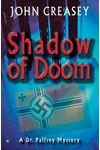
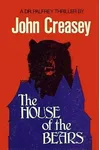
Following the war, the Z-5 organization transitions into an international peacekeeping agency. Rather than fighting specific nations, Dr. Palfrey and his team combat rogue scientists, secret societies, and syndicates attempting to exploit post-war instability. The threat level scales up, introducing futuristic technologies, mind control, and biological warfare. Key titles include Shadow of Doom, The House of the Bears, and The Mists of Fear.
3. The Sci-Fi & Ecological Disaster Arc (1956–1979)
Beginning with The Flood (1956), Creasey fully embraces apocalyptic science fiction. The Z-5 agency is no longer just stopping spies; they are managing global catastrophes. These stories are highly formulaic but incredibly imaginative, featuring one-word titles like The Drought, The Terror, The Sleep, The Inferno, and The Famine. Creasey explores themes of overpopulation, climate change, and environmental collapse decades before they became mainstream concerns.
The Complete Dr. Palfrey Book List in Order
Here is the complete publication order for the Dr. Palfrey series. While the books are largely episodic, reading them in order ensures you follow the chronological development of Dr. Palfrey's career and the expanding scope of the Z-5 organization.
- Traitor's Doom (1942)
- The Legion of the Lost (1943)
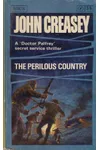
- The Perilous Country / The Valley of Fear (1943)
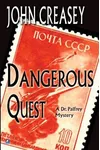
- Dangerous Quest (1944)
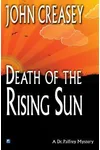
- Death in the Rising Sun (1945)
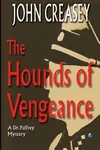
- The Hounds of Vengeance (1945)
- Shadow of Doom (1946)
- The House of the Bears (1946)
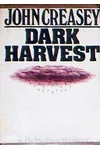
- Dark Harvest (1947)
- The Wings of Peace (1948)
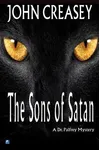
- The Sons of Satan (1948)
- The Dawn of Darkness (1949)
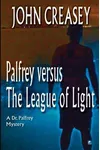
- The League of Light (1949)
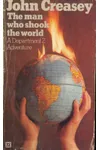
- The Man Who Shook the World (1950)
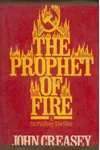
- The Prophet of Fire (1951)
- The Killers of Innocence / The Children of Hate (1952) - Also published as The Children of Despair.
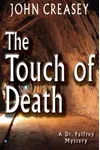
- The Touch of Death (1954)
- The Mists of Fear (1955)
- The Flood (1956)
- The Plague of Silence (1958)
- The Drought / Dry Spell (1959)
- The Terror (1962)
- The Depths (1963)
- The Sleep (1964)
- The Inferno (1965)
- The Perilous Country (1966) - This is a revised and updated edition of the 1943 novel originally titled The Valley of Fear.
- The Famine (1967)
- The Blight (1968)
- The Oasis (1969)
- The Smog (1970)
- The Unbegotten (1971)
- The Insulators (1972)
- The Voiceless Ones (1974)
- The Thunder-Maker (1976)
- The Whirlwind (1979)
Reading Caveats and Series Confusions
Because John Creasey was one of the most prolific writers in literary history, his bibliography is filled with overlapping concepts, pseudonyms, and revised editions. Keep the following points in mind to avoid confusion:
The "Perilous Country" Reprint Dilemma
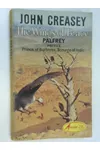
If you look at the publication order list, you will notice The Perilous Country is listed twice: once in 1943 (co-named with The Valley of Fear) and again in 1966. The 1943 book was originally published in the UK as The Valley of Fear. When it was revised and republished in the 1960s, it took on the title The Perilous Country. In chronological story terms, it remains the third adventure in the series, so you do not need to read it again when you reach the 1966 placement on the list.
Department Z vs. Department Z-5
John Creasey wrote two separate, long-running espionage series that are frequently confused due to their names: the Department Z series (28 books, starting in 1933 with The Death Miser) and the Dr. Palfrey / Department Z-5 series (34 books). Department Z is led by a spymaster named Gordon Craigie and deals with traditional British intelligence. Department Z-5 is the international, allied coalition led by Dr. Palfrey. While they share similar stylistic tones and authorial DNA, they are separate continuities, and you do not need to read the Department Z series to understand Dr. Palfrey's adventures.
Title Variations and Pseudonyms
Unlike other series by Creasey which were published under various pen names (such as J.J. Marric for Gideon of the Yard or Anthony Morton for The Baron), the Dr. Palfrey books were consistently published under Creasey's real name. However, many books were retitled for different markets. For example, The Killers of Innocence was published in some regions as The Children of Hate, and The Drought is sometimes found under the title Dry Spell. When buying used copies, check the copyright page to ensure you aren't purchasing a book you already own under a different name.
What to Know Before You Start
The Dr. Palfrey books are product of their time. Written in mid-century Britain, they feature the quick pacing, high stakes, and episodic structures typical of pulp-fiction thrillers. Don't expect deep, psychological character studies; instead, expect brisk action, dramatic scenarios, and a hero who uses his medical background to analyze problems logically. The late-era eco-disaster novels are particularly celebrated by modern collectors for their surprisingly prescient warnings about industrial pollution, climate disruption, and human impact on the ecosystem.