
How to Read the Dragon Slayers’ Academy Series
For young readers embarking on their dragon-slaying education, the best way to experience the Dragon Slayers’ Academy (DSA) series is in its publication order. While the books are designed to be accessible and relatively self-contained, Kate McMullan weaves a continuous narrative where Wiglaf grows as a hero, running jokes develop, and the school’s eccentric staff and student body become more familiar. Reading chronologically ensures that you catch all the humorous call-backs, character developments, and shifting dynamics within the academy.
The Recommended Starting Point
Every reader should begin with The New Kid at School. This book establishes Wiglaf's background as an underappreciated, blood-averse boy from Pinwick who is sent away to the academy after a traveling minstrel's prophecy suggests he has a grand future. It also introduces the gold-hungry Headmaster Mordred, the secret princess Erica, and the pig Daisy, setting the stage for all the comedy and adventure that follows.
Dragon Slayers' Academy Books in Order
Here is the complete list of Dragon Slayers' Academy books based on local database records. This list includes both the primary numbered novels and key compilation releases that readers will encounter when browsing library shelves or online stores.
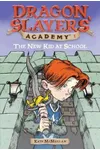
- The New Kid at School (1997) - Wiglaf leaves his miserable home to attend the academy and accidentally defeats a dragon using terrible knock-knock jokes.
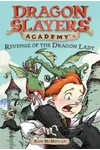
- Revenge of the Dragon Lady (1997) - Gorzil's vengeful mother seeks payback against Wiglaf, forcing him to use his wits to survive.
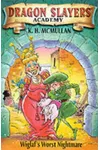
- Wiglaf's worst nightmare (1997) - Wiglaf faces a terrifying dream about his destiny. Note: While this is cataloged early in some systems, standard series lists often place it as Book 9 or 16.
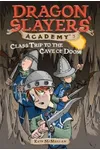
- Class Trip to the Cave of Doom (1998) - Headmaster Mordred sends the boys on a dangerous quest to retrieve a dragon's hoard of gold.
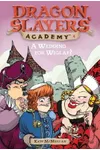
- A Wedding for Wiglaf? (1998) - A princess searches for a red-haired dragon slayer to marry, and Wiglaf finds himself in the spotlight.
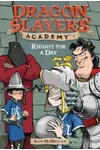
- Knight for a Day (1998) - Wiglaf gets the opportunity to pose as a real knight during a festival, leading to comical mishaps.
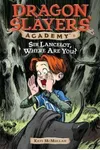
- Sir Lancelot, Where Are You? (1999) - The students set off to find the legendary, albeit highly exaggerated, Sir Lancelot.
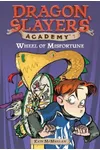
- Wheel of Misfortune (1999) - Wiglaf and his friends represent the academy in a high-stakes brain-teasing trivia game show.
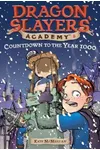
- Countdown to the Year 1000 (1999) - DSA prepares for the turn of the millennium amidst magical chaos and end-of-the-world rumors.
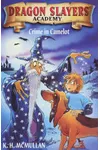
- Crime in Camelot (2000) - The young hero and his friends travel to Camelot to investigate a mystery involving the legendary court.
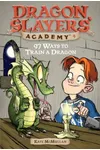
- 97 Ways to Train a Dragon (2003) - The academy acquires a new dragon cub, and the students must figure out how to raise it.
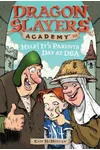
- Help! It's Parents Day at DSA (2003) - The students face the ultimate horror: showing their families around the terrible academy.
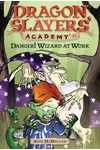
- Danger! Wizard at Work! (2004) - The incompetent wizard Zelnoc causes magical chaos, requiring Wiglaf and his friends to clean up the mess.
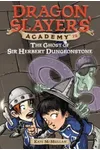
- The Ghost of Sir Herbert Dungeonstone (2004) - Wiglaf investigates the haunting of DSA by the ghost of its eccentric founder.
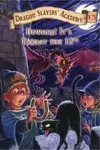
- Beware! It's Friday the 13th (2005) - Bad luck plagues the academy, leading to a series of magical accidents.
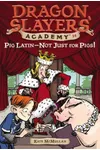
- Pig Latin--Not Just for Pigs! (2005) - A fun adventure focusing on Daisy the pig and the secret language she shares with Wiglaf.
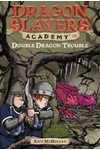
- Double Dragon Trouble (2005) - The academy is overrun when two troublesome dragons arrive at the school at the same time.
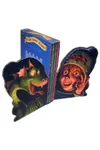
- Dragon Slayers' Academy Treasure Chest (2005) - A special boxed compilation collecting the first four books of the series.
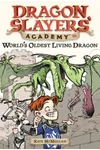
- World's Oldest Living Dragon (2006) - Wiglaf searches for a ancient, wise dragon to answer questions about his future.
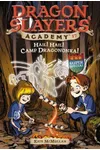
- Hail! Hail! Camp Dragononka (2006) - The students leave the academy behind for a chaotic summer camp experience.
- Never Trust a Troll! (2006) - Wiglaf and his classmates must outsmart a group of mischievous trolls who invade their territory.
- Little Giant--Big Trouble (2007) - A giant arrives at the academy, creating massive challenges for the diminutive students.
- School's Out...Forever! (2012) - The final installment of the main series, bringing Wiglaf's academy days to an end.
- The Early Adventures (2018) - A hardcover omnibus compilation gathering the first four books of the series.
Crucial Reading Guidance & Caveats
While the official numbered main sequence consists of 20 novels, cataloging systems and publisher reprints sometimes cause confusion. Here are the primary details to keep in mind when tracking down the books:
The Numbering Discrepancies
In standard US publisher lists, Wiglaf's Worst Nightmare is cataloged as Book 9, while Crime in Camelot is Book 10. However, some library systems and listings catalog Wiglaf's Worst Nightmare as Book 3. Regardless of the number on the spine, the internal continuity of these stories remains easy to follow, as they are episodic adventures geared toward early readers.
Omnibus Compilations
You do not need to buy all 24 entries to get the full story. Both Dragon Slayers' Academy Treasure Chest (published in 2005) and The Early Adventures (published in 2018) are compilation volumes. They bundle the first four core books: The New Kid at School, Revenge of the Dragon Lady, Class Trip to the Cave of Doom, and A Wedding for Wiglaf?. If you purchase either of these collections, you can skip buying those individual volumes.
What to Know Before You Start
Before introducing young readers to DSA, here are a few fun aspects of the series to highlight:
- The Reluctant Hero: Wiglaf isn't a typical hyper-masculine warrior. He dislikes the sight of blood and relies on his intellect, bad jokes, and the help of his friends to solve problems.
- Arthurian Parody: The series features delightful cameos and parodies of Arthurian myths, including Sir Lancelot, Camelot, and Merlin-esque wizardry, making it a great entry point to medieval fantasy.
- Gender Equality Themes: Erica, Wiglaf’s best friend, is secretly Princess Erica. Because the academy is a boys-only school run by the sexist Headmaster Mordred, she disguises herself as a boy named Eric to learn how to fight dragons.
- Humor and Wordplay: The books are famous for Daisy the pig, who speaks Pig Latin, as well as simple wordplay and knock-knock jokes that help build reading confidence in children aged 7–10.