
The Recommended Reading Paths
Kathryn Le Veque’s Dragonblade is a cornerstone of medieval historical romance, transporting readers to an era of fierce knights, political machinations, and sweeping love stories. Because the books weave together and feature recurring characters from different noble families, choosing where to start can feel daunting. Fortunately, you have two main options: chronological order or publication order.
The Chronological Reading Order (Recommended)
Reading the series chronologically allows you to follow the generational saga of the de Lara and St. Hever families in the order the events actually occurred. This path provides the most seamless transition for character growth and political developments across the 13th and 14th centuries.
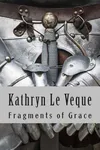
- Fragments of Grace (2013): Set in 1291 A.D., this prequel introduces Keir de Lara, laying the emotional and historical foundation for the family's legacy.
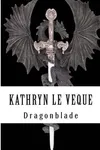
- Dragonblade (2014): Set in 1326 A.D., the core novel of the series focuses on Tate de Lara, the illegitimate son of Edward I, as he protects young Edward III while falling for Elizabetha "Toby" Cartingdon.
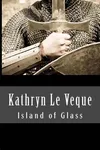
- Island of Glass (2012): Set in 1333 A.D., this story follows Sir Kenneth St. Hever, a seasoned knight who must manage the bold Lady Aubrielle Grace di Witney.
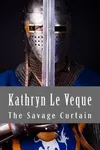
- The Savage Curtain (2005): Set in 1333 A.D. shortly after the Battle of Halidon Hill, this novel follows Sir Stephen of Pembury and his forced political marriage to Lady Joselyn de Velt Seton.
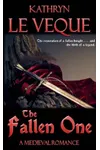
- The Fallen One (2013): Set in 1332 A.D. (overlapping slightly with the events of the surrounding books), this story centers on Sir Mathias de Reyne, a stripped knight living as a blacksmith, and Lady Cathlina de Lara.
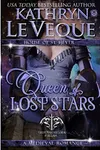
- Queen of Lost Stars (2016): Continuing the family lines, this installment follows the sensual romance between Madelayne Gray d'Ebreux and Sir Kaspian St. Hever.
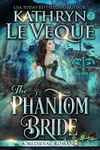
- The Phantom Bride (2023): A short story originally featured in the "A Midnight Requiem" gothic anthology, adding a ghostly, atmospheric touch to the extended lore.
The Publication Reading Order
If you prefer to read the books in the order Kathryn Le Veque wrote and released them, follow this list. This path lets you experience how the author naturally expanded her medieval world, starting with an early release that she later integrated into the broader narrative tapestry.
- The Savage Curtain (2005)
- Island of Glass (2012)
- Fragments of Grace (2013)
- The Fallen One (2013)
- Dragonblade (2014)
- Queen of Lost Stars (2016)
- The Phantom Bride (2023)
Understanding the World of Dragonblade
One of the most common points of confusion for new readers is the name "Dragonblade" itself. It refers to two distinct things: Kathryn Le Veque's personal medieval romance series, and Dragonblade Publishing, the independent publishing house she founded. When browsing online retail stores, you will see hundreds of historical romance books labeled under "Dragonblade." Most of these are written by other authors published by her company. To follow the narrative of Tate, Kenneth, and their comrades, you must specifically look for books written by Kathryn Le Veque within her personal series.
Chivalry, Family, and Crossovers
Le Veque’s books are famous for their interconnectedness. Characters from the Dragonblade series frequently cross over into her other series, such as the de Wolfe Packs or the Executioner Knights. While the books are technically standalones—meaning each story features a self-contained romance with a resolved ending—reading them in order enhances your appreciation of the background characters, family trees, and recurring historical conflicts.
What to Know Before You Start
The series is set against the backdrop of 14th-century England, Scotland, and Wales during the tumultuous reigns of Edward I, Edward II, and Edward III. Le Veque blends meticulous research with high-stakes drama, featuring real historical battles (such as Berwick and Halidon Hill) and political figures. The tone is passionate, sometimes gritty, and full of historical detail. Expect strong-willed heroines who challenge medieval norms, and honorable, battle-hardened heroes who find redemption in love.