


The Best Way to Read the Dreamland Series
If you want to experience the high-octane world of Dreamland, you have two primary options: reading the series as a standalone saga or interleaving it with the broader Patrick McLanahan series. Because the series was written sequentially, the publication order and chronological order are identical. Reading the books in order ensures you follow the natural progression of the advanced technology, the escalating global conflicts, and the evolution of the characters' military careers.
Option 1: Standalone Dreamland Reading Order (Recommended)
For most readers, focusing solely on the Dreamland series is the most satisfying approach. It keeps the spotlight on the secret Nevada testing facility and the core crew without getting bogged down by the massive timeline of the main McLanahan books. Read them in this order:
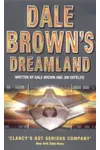
- Dreamland (2001)
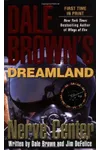
- Nerve Center (2002)
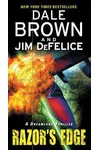
- Razor's Edge (2002)
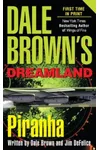
- Piranha (2003)
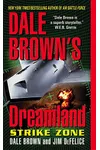
- Strike Zone (2003)
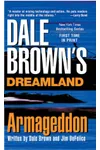
- Armageddon (2004)
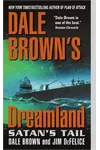
- Satan's Tail (2005)
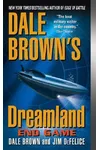
- End Game (2006)
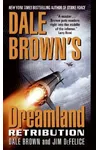
- Retribution (2007)
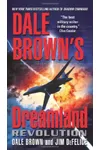
- Revolution (2008)
- Whiplash (2009)
- Black Wolf (2010)
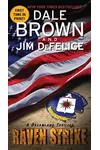
- Raven Strike (2011)
- Collateral Damage (2012)
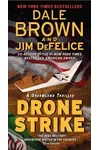
- Drone Strike (2014)
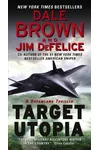
- Target Utopia (2015)
Option 2: The Chronological Shared-Universe Order
If you are a completionist who wants to see how the Dreamland facility fits into the larger Dale Brown universe, you can interleave the books with the Patrick McLanahan series. Dreamland officially spins off after the events of Warrior Class (McLanahan #11). To read them in order of release, start with the early McLanahan novels, insert Dreamland after Warrior Class, and alternate between the main series and the spin-off as they were published. This lets you witness technological breakthroughs in the desert before they are deployed by McLanahan's teams in the field.
What to Know Before You Start
Set in a secret, high-tech testing facility hidden in the Nevada desert (colloquially known as Area 51 or Dreamland), this series is a masterclass in the techno-thriller genre. Co-authored by Dale Brown—a former U.S. Air Force navigator—and thriller writer Jim DeFelice, the series blends authentic military jargon, speculative aerospace engineering, and intense geopolitical operations.
Unlike some military fiction that focuses purely on boots-on-the-ground infantry, Dreamland centers on the developers, test pilots, and tactical teams who deploy experimental weapons. The series frequently touches on themes of human-machine integration, the ethics of remote warfare, and the bureaucratic battles fought in Washington to keep these black-budget projects alive. It is highly technical, detailed, and packed with realistic details about aerial dogfights, radar systems, and drone telemetry.
Key Characters and Technology of Dreamland
To fully appreciate the narrative arc, it helps to understand the recurring elements that define the series:
- Colonel Tecumseh "Dog" Bastian: The commanding officer of the Dreamland facility. A seasoned military veteran, "Dog" must constantly balance the safety of his pilots, the demands of politicians, and the threat of foreign espionage.
- Breanna Stockard: Dog Bastian's daughter and one of the facility’s premier test pilots. Her personal and professional life, including her relationship with her wheelchair-bound husband, forms the emotional core of the series.
- The Megafortress: An heavily modified, futuristic version of the B-52 bomber. Outfitted with advanced stealth capabilities, long-range missiles, and computer intelligence, it serves as the ultimate airborne command center.
- Flighthawk Drones: Unmanned, highly maneuverable micro-fighter aircraft controlled remotely by pilots aboard the Megafortress.
- ANTARES: A highly controversial mind-machine interface introduced in Nerve Center that allows pilots to control Flighthawk drones directly through neural implants, raising profound questions about psychological strain and human limits.
- Whiplash: The tactical ground support and security unit led by Danny Freah, which handles dangerous retrievals, counter-espionage, and direct actions when experimental technology falls into the wrong hands.
Book-by-Book Breakdown of the Dreamland Saga
The Early Era (Books 1-5)
The series begins with Dreamland (2001), establishing the base under threat of budget cuts and infiltration. The crew must deploy their experimental Megafortress and Flighthawks to fight pirates in the Gulf of Aden. In Nerve Center (2002), the stakes rise when a pilot snaps under the influence of the neural ANTARES chip and goes rogue. Razor's Edge (2002) centers on a devastating tactical chemical laser weapon, while Piranha (2003) and Strike Zone (2003) expand the conflicts to maritime and Asian theaters, establishing the facility as a global rapid-response force.
The Global Escalation Era (Books 6-10)
In Armageddon (2004), the facility deals with a high-stakes crisis involving space-based weaponry. Satan's Tail (2005) focuses on naval warfare and experimental submarine assets. End Game (2006) and Retribution (2007) push the characters to their breaking points, addressing the physical and psychological toll of continuous combat operations. Revolution (2008) highlights the evolving nature of digital warfare and military command structures.
The Modern Drone Era (Books 11-16)
Starting with Whiplash (2009), the focus shifts heavily toward Danny Freah's tactical team as they recover stolen intelligence. Black Wolf (2010) and Raven Strike (2011) deal with Russian aggression and highly mobile insurgent forces utilizing custom electronic countermeasures. Collateral Damage (2012) and Drone Strike (2014) explore the consequences of automated warfare in North Africa and the Middle East. The series concludes with Target Utopia (2015), where the team must hunt down a traitor who stole advanced drone technology and sold it to extremist groups in Malaysia, threatening to spark a global conflict.
Practical Reading Guidance
Can these books be read as standalones? While the military missions in each book are generally resolved by the final page, we strongly advise against jumping around. The interpersonal relationships, command structures, and technological upgrades develop significantly over the course of the 16 novels. If you skip ahead, you will miss vital character deaths, promotions, and the evolution of the Dreamland facility itself. Start with the self-titled debut, Dreamland, and work your way forward to get the most out of this detailed universe.