


The Recommended Path: Where to Start
For anyone standing on the threshold of this vast science fiction universe, the universal consensus is clear: you must start with the original 1965 novel, Dune. This masterpiece establishes the essential concepts of the spice melange, the desert planet Arrakis, the Bene Gesserit sisterhood, and the complex feudal politics of the Imperium. Starting anywhere else, particularly with the prequel novels, will spoil major mystery arcs and dilute the thematic impact of Paul Atreides' journey.
For a complete first-time experience, readers should follow the original six novels written by Frank Herbert in their publication order. This sequence allows you to experience the evolution of Herbert's philosophy, ecological themes, and style exactly as he built them. The core original saga consists of:
- Dune (1965)
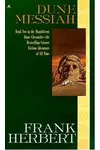
- Dune Messiah (1969)
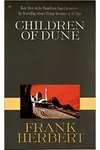
- Children of Dune (1976)
- God Emperor of Dune (1981)
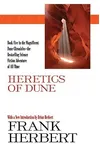
- Heretics of Dune (1984)
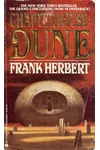
- Chapterhouse: Dune (1985)
Understanding the Chronological Order and Its Caveats
While publication order is best for beginners, returning fans often enjoy a chronological reread. The Dune universe spans over 15,000 years of history. However, reading chronologically from the start is highly discouraged for newcomers. The prequels, written decades later by Brian Herbert and Kevin J. Anderson, were written with the assumption that readers already understand the core mythology of the original books. Furthermore, the writing style of the expanded universe is vastly different—focusing more on fast-paced, traditional space opera action rather than the dense, philosophical, and introspective prose of Frank Herbert.
If you choose the chronological path, you will begin more than 10,000 years before the birth of Paul Atreides during the war against thinking machines, slowly working your way to the far future past the events of Chapterhouse: Dune.
The Expanded Universe: Subseries Breakdown
Following Frank Herbert's death in 1986, his son Brian Herbert partnered with author Kevin J. Anderson to expand the Dune universe using Frank's extensive notes. They categorized these books into distinct subseries that fill in the history of the Imperium:
Legends of Dune Trilogy
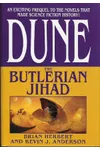
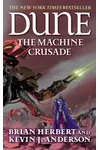
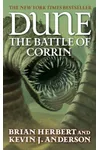
Set 10,000 years before the original novel, this trilogy details the legendary Butlerian Jihad—the human crusade against the thinking machines led by Omnius. It explains the origins of the Great Houses, the Spacing Guild, and the Bene Gesserit.
- The Butlerian Jihad (2002)
- The Machine Crusade (2002)
- The Battle of Corrin (2004)
Great Schools of Dune
Taking place a century after the Battle of Corrin, this series focuses on the early struggles of the institutions that define the Imperium: the Bene Gesserit, the Mentats, and the Spacing Guild.
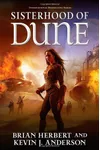
- Sisterhood of Dune (2011)
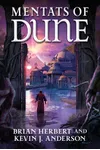
- Mentats of Dune (2014)
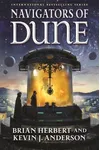
- Navigators of Dune (2016)
Dune: House Trilogy (Prelude to Dune)
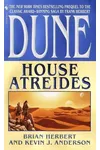
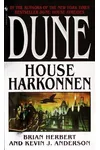
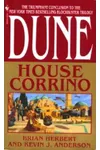
Set roughly 35 to 40 years before the events of the original Dune, this trilogy explores the early lives of Duke Leto Atreides, Baron Vladimir Harkonnen, and Emperor Shaddam IV.
- House Atreides (1999)
- House Harkonnen (2000)
- House Corrino (2001)
Dune: The Caladan Trilogy
This trilogy leads directly into the opening pages of the original 1965 novel, detailing the final years of House Atreides on their lush homeworld of Caladan before they are forced to relocate to Arrakis.
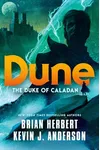
- The Duke of Caladan (2020)
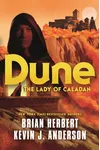
- The Lady of Caladan (2021)
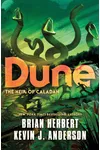
- The Heir of Caladan (2022)
Heroes of Dune (Midquels)
These books fit directly between Frank Herbert's original novels, acting as narrative bridges that elaborate on key events and the backstories of central characters like Princess Irulan and Chani.
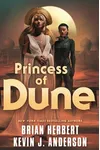
- Princess of Dune (2023) — Sits two years before the events of Dune.
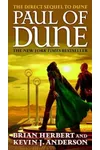
- Paul of Dune (2008) — Fits between Dune and Dune Messiah.
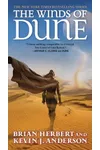
- The Winds of Dune (2009) — Sits between Dune Messiah and Children of Dune.
The Final Sequels (Dune 7)
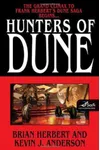
Frank Herbert famously left the series on a massive cliffhanger at the end of Chapterhouse: Dune. Decades later, Brian Herbert and Kevin J. Anderson used his outlines to finish the original narrative arc in a two-part finale:
- Hunters of Dune (2006)
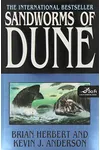
- Sandworms of Dune (2007)
What to Know Before You Start
One of the biggest disagreements in the science fiction community is the canon status of the co-authored novels. Purists often argue that only Frank Herbert's original six novels are canon, citing the drastic shift in tone, style, and thematic depth in the later additions. However, the co-authored books resolve many of the mysteries left behind in the original series and offer a massive, detailed sandbox for readers who cannot get enough of the setting.
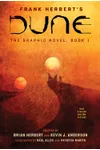
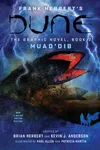
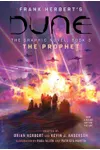
Additionally, readers should be aware of The Dune Encyclopedia (1984), compiled by Dr. Willis E. McNelly. Approved by Frank Herbert but later contradicted by the prequels written by Brian Herbert and Kevin J. Anderson, it remains a beloved, though officially non-canon, resource for fans of the original books. Finally, newer graphic novels adapted by Brian Herbert and Kevin J. Anderson offer visual entry points for fans of the recent cinematic adaptations.