


How to Read the Ed Noon Series
Michael Avallone’s Ed Noon series is a legendary staple of mid-century pulp fiction, running for nearly four decades. Because of the sharp stylistic evolution of both the character and Avallone’s writing, the recommended reading path is to follow the publication order. This allows you to experience Ed Noon's bizarre and delightful transition from a traditional private investigator working out of a dusty Manhattan office to an international espionage agent receiving direct orders from the President of the United States.
The Evolutionary Eras of Ed Noon
To help navigate the massive run of over 30 novels and dozens of short stories, the series can be broken down into three distinct eras, each reflecting the pop culture trends of its decade:
The Gumshoe Era (1950s)
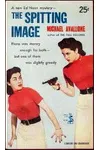
In his early outings, Ed Noon is a classic, hard-boiled New York private eye. He operates out of a tiny Midtown office he affectionately terms the "Mouse Auditorium," equipped with a desk, a telephone, and his trusty .45. These early novels—beginning with The Spitting Image and The Tall Dolores—are filled with femme fatales, mobsters, and classic noir tropes, albeit elevated by Avallone’s highly idiosyncratic, film-obsessed writing style.
The Presidential Spy Era (1960s–1970s)
As the 1960s ushered in the James Bond craze, Avallone adapted his hero. Ed Noon was recruited by the President to serve as a high-stakes, globe-trotting secret agent. The gritty streets of Manhattan were replaced by ocean liners, international conspiracies, and outlandish action sequences. Books from this era, like Assassins Don't Die in Bed and Little Miss Murder, lean heavily into espionage, containing eccentric threats, colorful sidekicks, and high-speed action.
The Strange and Sci-Fi Era (1980s and Beyond)
In the final phase of the series, the boundaries of the detective genre dissolved entirely. In High Noon at Midnight (1989), Noon faces sci-fi elements and bizarre alien conspiracies, cementing the series' reputation as one of the most unpredictable and genre-bending properties in crime fiction history.
Understanding the Publication and Reprint Anomalies
When tracking down Ed Noon books, readers often encounter confusing dates in digital libraries and database listings. For example, our database lists titles like The Case of the Bouncing Betty under 2012, and The Horrible Man, Assassins Don't Die in Bed, and Little Miss Murder under 2014. These dates do not reflect when the books were written or first published; rather, they mark modern digital reprint editions curated posthumously by the author's son, David Avallone.
For historical context, the original publication dates of these key reprint titles are:
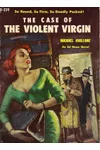
- The Case of the Bouncing Betty: Originally published in 1957 (often bound as an Ace Double with The Case of the Violent Virgin).
- The Horrible Man: Originally published in 1968.
- Assassins Don't Die in Bed: Originally published in 1968.
- Little Miss Murder: Originally published in 1971 (also published under the title The Ultimate Client).
If you prefer a strictly chronological reading experience, you should insert these reprinted volumes back into their original historical slots alongside their 1950s, 60s, and 70s counterparts.
Complete Publication Order of Ed Noon Books
Here is the chronological publication list of the Ed Noon novels based on the series database, noting that later entries represent modern digital preservation efforts:
- The Spitting Image (1953)
- The Tall Dolores (1953)
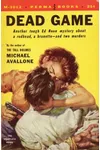
- Dead Game (1954)
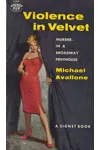
- Violence in Velvet (1956)
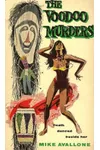
- The Voodoo Murders (1957)
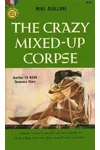
- The Crazy Mixed-Up Corpse (1957)
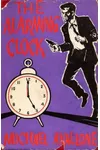
- The Alarming Clock (1957)
- The Case of the Violent Virgin (1960)
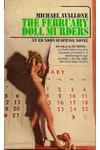
- The February Doll Murders (1960)
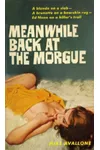
- Meanwhile Back at the Morgue (1960)
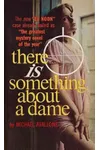
- There Is Something about a Dame (1963)
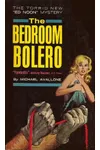
- The Bedroom Bolero (1963)
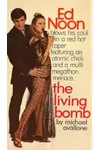
- The Living Bomb (1963)
- Lust Is No Lady (1964)
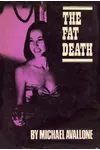
- The Fat Death (1966)
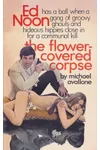
- The Flower-Covered Corpse (1969)
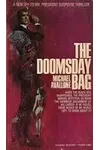
- The Doomsday Bag (1969)
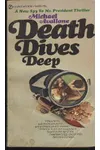
- Death Dives Deep (1971)
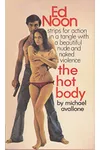
- The Hot Body (1973)
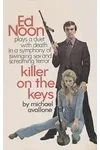
- Killer on the Keys (1973)
- The X-Rated Corpse (1973)
- Shoot it Again, Sam (1973)
- The Girl in the Cockpit (1974)
- London Bloody London (1974)
- Kill Her-- You'll Like It! (1974)
- The Big Stiffs (1977)
- 5 Minute Mysteries (1978) - A collection of short puzzle-mysteries.
- High Noon at Midnight (1989)
- The Case of the Bouncing Betty (2012 reprint / 1957 original)
- The Horrible Man (2014 reprint / 1968 original)
- Assassins Don't Die in Bed (2014 reprint / 1968 original)
- Little Miss Murder (2014 reprint / 1971 original)
Practical Reader Advice
Are you wondering if you need to read every single book in order? The short answer is no. Most Ed Noon novels function beautifully as standalone episodic adventures. However, starting with The Tall Dolores is highly recommended because it establishes Ed’s quirks, his obsession with movies and baseball, and his signature Runyonesque dialogue. If you want to sample the spy era directly, Assassins Don't Die in Bed makes an excellent entry point to his Presidential operative years without requiring prior reading.
What to Know Before You Start
Michael Avallone was famously dubbed the "Fastest Typewriter in the East," known for writing at breakneck speeds and producing hundreds of paperbacks under various pseudonyms. His style is characterized by highly stylized prose, eccentric metaphors, and rapid-fire dialogue. Reading Ed Noon is as much about experiencing Avallone's unique voice as it is about solving the mysteries. Expect a fast-paced, sometimes theatrical, and always entertaining ride through the golden age of paperbacks.