







The Recommended Reading Order for First Americans
For readers wanting to experience the migration of early humans across the prehistoric landscapes of North America, the best path forward is simple: read the books in order of their publication. Because the narrative moves forward chronologically along with the changing generations and the receding ice sheets, reading the series out of order will spoil major generational transitions and the fates of key tribal lineages.
Here is the complete sequence of published novels in the First Americans series:
- Beyond the Sea of Ice (1987) – The saga begins as the hunter Torka leads a small band of survivors across the frozen Bering Strait, navigating brutal arctic conditions and predators to find a new land.
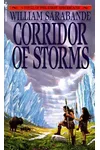
- Corridor of Storms (1988) – Torka leads his clan into a corridor of glaciers to hunt mammoths, where they encounter hostile tribes and the manipulative magic man Navahlk.
- Forbidden Land (1989) – Defying ancestral customs, Torka leads his followers into uncharted and feared eastern lands to seek a safer future for their children.
- Walkers of the Wind (1990) – As the clan tracks mammoth herds, internal rivalries grow between Torka's twin sons while a mysterious predator, the wanawut, stalks the borders.
- The Sacred Stones (1991) – Skipping forward in time, this entry shifts focus to Torka's descendants in the Red World as they defend their territory against the aggressive People of the Watching Star.
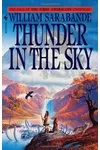
- Thunder in the Sky (1992) – Introduces the young shaman Cha-kwena, who must protect a legendary white mammoth from rival factions seeking its mystical power.
- The Edge of the World (1993) – As resources dwindle, Cha-kwena breaks ancient tribal taboos to guide his followers across a forbidden southern trail.
- Shadow of the Watching Star (1995) – With their leadership fractured, Cha-kwena is forced to choose between his tribal family and his sacred oath to protect the world's last mammoth herd.
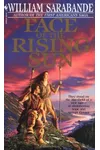
- Face of the Rising Sun (1996) – Set as the Ice Age begins its final retreat, the narrative follows Warakan, a young leader torn between the pursuit of peace and a legacy of blood vengeance.
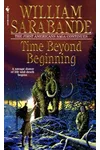
- Time Beyond Beginning (1998) – Clan warfare intensifies as mammoth hunting grows scarce, forcing a new generation of warriors to adapt to a rapidly warming climate.
- Spirit Moon (2000) – The final published novel follows the headman Tôrnârssuk as he leads his people toward the Great River of the White Whales amid rising climate changes and conflict.
Publication Order vs. Chronological Order
Unlike many expansive historical fiction or fantasy series, there are no prequels or complex chronological deviations in the First Americans series. The publication order aligns perfectly with the chronological progression of the prehistoric world. The story starts at the peak of the Ice Age around 15,000 years ago, following the initial migration across the Bering land bridge, and steadily moves forward over thousands of years to the eventual warming of the continent and the extinction of the megafauna. Reading in publication order ensures you witness the geological, cultural, and technological transitions of these early peoples in the sequence the author intended.
Breaking Down the Generational Arcs
Understanding the structure of the series can help readers pace themselves, as the 11-book saga is broadly split into three distinct narrative eras:
The Torka Saga (Books 1 to 4)
The first four novels focus closely on the hunter Torka, his partner Lonit, and their adopted son Karana. These books are deeply character-driven, focusing on immediate survival, early tribal structure, and the initial crossing into the American continent. They establish the foundational myths and rivalries that echo throughout the rest of the series.
The Shamanic Era of Cha-kwena (Books 5 to 9)
Starting with The Sacred Stones, the series leaps forward several generations. The central figure becomes Cha-kwena, a shaman who possesses a deep spiritual connection to the animals of the land, particularly the legendary white mammoth. This era shifts toward broader conflicts between different emerging cultures, exploring shamanic magic, regional tribal wars, and the threat posed by the expansionist People of the Watching Star.
The Fading Ice Age (Books 10 to 11)
The final two published books, Time Beyond Beginning and Spirit Moon, transition to the end of the Pleistocene epoch. Megafauna like the woolly mammoth are dying out, and the climate is shifting drastically. These books deal with the loss of the old ways of life, forcing new characters like the headman Tôrnârssuk to find new hunting grounds and establish new cultural traditions as the world they once knew disappears.
What to Know Before You Start
Written by Joan Lesley Hamilton under the pen name William Sarabande, this series stands out for its uncompromising look at the realities of prehistoric life. While there are elements of shamanistic visions and mysticism, the books are heavily grounded in the harsh, dangerous, and sometimes brutal daily struggles of Ice Age hunter-gatherers.
Unlike Jean M. Auel's popular Earth's Children series, which often romanticizes prehistoric romance and domestic life, Sarabande's novels focus heavily on action, survival, tribal politics, and conflict with predators. The survival stakes are high, and beloved characters are frequently subjected to the unforgiving laws of nature. Because of the heavy continuity and recurring generational themes, these books cannot easily be read as standalones; you will get the most out of the narrative by committing to the full chronological journey from the very beginning.
The Mystery of the Unreleased Twelfth Book
Many online bibliographies and retail websites erroneously list a twelfth book in the series, titled To the Far Horizon, with projected publication dates around 2003 or 2005. Despite these listings, this book was never published. Hamilton revealed to readers that contract disputes and creative differences with her publisher led her to shelf the manuscript. As a result, the series officially concludes with the eleventh book, Spirit Moon, which serves as the final chapter of the saga.