






How to Read the Five Little Peppers: The Two Best Paths
If you are planning to dive into the cozy, nostalgic world of the Pepper family, you will quickly discover that the series does not follow a straight chronological line. The author, Margaret Sidney (the pen name of Harriett Mulford Stone Lothrop), wrote the books over a span of 35 years. Because she frequently "backtracked" to write prequels, side stories, and character-focused spin-offs due to popular demand, readers are faced with a choice between two main reading orders: the Core Narrative Arc and the Chronological Order.
Path 1: The Core Narrative Arc (Recommended)
For most readers—especially those experiencing the series for the first time—we strongly recommend reading the original quartet first. These four books follow the Peppers' main journey from childhood poverty to adulthood. By reading these first, you get a satisfying, uninterrupted story arc. The remaining eight books can then be read as companion stories or "flashbacks" to spend more time with the characters.
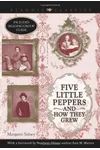
- Five Little Peppers and How They Grew (1881) – The essential starting point. This book introduces Mamsie and her five spirited children (Ben, Polly, Joel, Davie, and Phronsie) living in the "little brown house" and struggling to make ends meet, until a meeting with the wealthy Jasper King changes their lives forever.
- Five Little Peppers Midway (1890) – Set five years after the first book, the Peppers are now living in the luxurious home of Mr. King, adjusting to wealth while keeping their humble values.
- Five Little Peppers Grown Up (1892) – Follows the siblings as young adults. Polly navigates her music career, teaching, and early romance, while the family faces new adult responsibilities.
- Phronsie Pepper (1897) – The final chapter in the main narrative arc, centering on the youngest Pepper sibling as she grows up, enters society, and finds romance, bringing the family's journey to a heartwarming conclusion.
Path 2: The Chronological Timeline
If you prefer to read the entire series in the order that events occur, you will need to weave the later-published "backtrack" novels into the timeline. While this path gives you a highly detailed look at the characters' lives, be prepared for minor continuity inconsistencies since the later books were written decades after the originals.
- Five Little Peppers and How They Grew (1881)
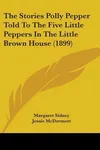
- The Stories Polly Pepper Told (1899) – Set during the childhood years in the little brown house, collecting the tales Polly told to soothe and entertain her younger siblings.
- The Adventures of Joel Pepper (1900) – Focuses on Joel's lively and mischievous childhood antics in the brown house.
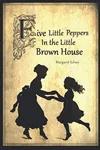
- Five Little Peppers in the Little Brown House (1907) – A collection of stories detailing their early life before they met the Kings.
- Our Davie Pepper (1916) – Focuses on David's perspective during their early years, highlighting his gentle nature.
- Five Little Peppers Midway (1890)
- Five Little Peppers Abroad (1902) – Picks up directly after Midway, following the family on a grand tour of Europe.
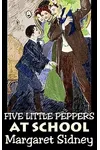
- Five Little Peppers at School (1903) – Follows the boys to boarding school and Polly's school challenges, set shortly after the European trip.
- Five Little Peppers and Their Friends (1904) – Explores their daily lives and friendships during their time with Mr. King.
- Ben Pepper (1905) – A character study focusing on the eldest brother Ben, bridging the childhood and young adult years.
- Five Little Peppers Grown Up (1892)
- Phronsie Pepper (1897)
The Complete Publication Order
If you want to read the books exactly as Victorian and Edwardian readers did, you can follow the publication order. This order highlights how Margaret Sidney’s writing style and the series' tone evolved over 35 years.
- Five Little Peppers and How They Grew (1881)
- Five Little Peppers Midway (1890)
- Five Little Peppers Grown Up (1892)
- Phronsie Pepper (1897)
- The Stories Polly Pepper Told to the Five Little Peppers in the Little Brown House (1899)
- The Adventures of Joel Pepper (1900)
- Five Little Peppers Abroad (1902)
- Five Little Peppers at School (1903)
- Five Little Peppers and Their Friends (1904)
- Ben Pepper (1905)
- Five Little Peppers in the Little Brown House (1907)
- Our Davie Pepper (1916)
Deep Dive: Understanding the "Backtrack" and Character Novels
To fully appreciate the series, it helps to understand why the books are structured the way they are. Margaret Sidney initially intended to end the story with Phronsie Pepper in 1897. However, the Peppers had captured the hearts of a generation of readers who clamored for more stories about their favorite siblings. Instead of continuing the timeline past Phronsie's adulthood, Sidney decided to go back and fill in the gaps of their childhood and school years.
These later novels fall into two main categories: character-focused spin-offs and interstitial adventures.
The Childhood Backtracks
Books like The Stories Polly Pepper Told, The Adventures of Joel Pepper, Five Little Peppers in the Little Brown House, and Our Davie Pepper all return to the family’s impoverished but happy days in the little brown house. They show different perspectives on events briefly mentioned in the first book, or expand on the siblings' personalities. For example, The Adventures of Joel Pepper highlights Joel’s energetic, sometimes wild antics, while Our Davie Pepper offers a quieter, more sensitive look at the youngest brother's struggle to find his footing alongside his boisterous siblings.
The Grand Tour and Boarding School Years
Between Midway and Grown Up, the Peppers experienced major life changes that the original books skipped over. Five Little Peppers Abroad and Five Little Peppers at School fill this gap. Abroad is a classic turn-of-the-century travelogue that follows the family as they travel to Europe by steamship. At School takes a closer look at the social dynamics of Victorian education, showing Joel and Davie navigating the hierarchies of a boys' boarding school while Polly copes with schoolgirl rivalries at home.
What to Know Before You Start
The Five Little Peppers series is a classic of Victorian children's literature, meaning modern readers should keep a few stylistic elements in mind. The tone of the books is highly sentimental, focusing heavily on moral character, resilience, and gratitude. Unlike modern children's books that often feature rebellious protagonists, the Peppers are defined by their deep love and respect for their mother, "Mamsie," and their willingness to put family first.
Additionally, because of the long publication history, readers may spot minor continuity slips in the backtrack books. For instance, ages or timelines might not perfectly align with the dates set in the original quartet. Recognizing that these books were written as nostalgic revisits rather than a pre-planned grand saga makes these quirks easy to forgive.
Practical Reader Advice and Adaptations
If you're wondering whether you can skip the side stories, the answer is yes. The original quartet forms a self-contained story. You should only read the backtrack books if you fall in love with the characters and want to spend more time in their world. If you are reading the books to children, starting with the original first book is highly recommended, as it contains the most iconic and dramatic moments of the series.
The enduring popularity of the series also led to a series of four film adaptations produced by Columbia Pictures between 1939 and 1940: Five Little Peppers and How They Grew (1939), Five Little Peppers at Home (1940), Out West with the Peppers (1940), and Five Little Peppers in Trouble (1940). These films stars Edith Fellows as Polly and Dorothy Ann Seese as Phronsie, capturing the warm family dynamics of the books for mid-century cinema audiences.