



How to Read the Fools’ Guild Mystery Series
The Fools’ Guild Mystery series, written by Alan Gordon, blends meticulous historical research with Shakespearean literary flair. Set in the late 12th and early 13th centuries, the series follows the clandestine operations of the Fools’ Guild—a secret network of jesters, minstrels, and entertainers who use their access to courts and castles to gather intelligence, manipulate politics, and prevent wars.
To experience the full character development of the protagonist, Theophilos (known as Feste from Shakespeare’s Twelfth Night), and his apprentice-turned-wife, Claudia, you should read the books in publication order. While some books contain extended flashback narratives, the framing stories and character relationships progress sequentially from the first book to the last.
Publication and Recommended Reading Order
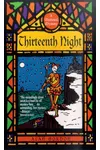
- Thirteenth Night (1999) – The series opener acts as a direct sequel to Shakespeare’s Twelfth Night. Theophilos returns to Illyria to investigate the suspicious death of Duke Orsino, bringing him face-to-face with his old rival, Malvolio.
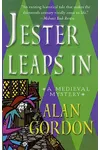
- Jester Leaps In (2000) – Theophilos and his new apprentice, Claudia, travel to Constantinople to investigate the mysterious disappearance of the city’s jesters, uncovering a deep political conspiracy.
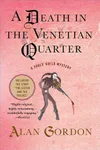
- A Death in the Venetian Quarter (2002) – Set in 1203 against the backdrop of the Fourth Crusade. The duo must solve the locked-room murder of a wealthy silk merchant in Constantinople while crusader armies gather outside the walls.
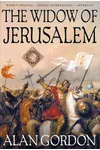
- The Widow of Jerusalem (2003) – Fleeing a hostile Church in 1204, the Guild members hide out. While in hiding, Theophilos narrates a critical past mission to the Holy Land during the Third Crusade (circa 1191–1192).
- An Antic Disposition (2004) – While the framing story remains in the Guild's current timeline, the main narrative is an origin story that reimagines the tragedy of Hamlet from the Guild's perspective, revealing how Father Gerald recruited Theophilos.
- The Lark’s Lament (2007) – Set in 1204. Under pressure from Pope Innocent III, Theophilos and Claudia visit the minstrel-turned-abbot Folquet at a Cistercian abbey, only to find a monk murdered with a message written in blood.
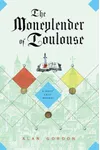
- The Moneylender of Toulouse (2008) – Theophilos and his family head to Toulouse on a mission to pressure a local Bishop to retire. The mission is derailed when a prominent moneylender is found dead in a tanner's pit.
- The Parisian Prodigal (2010) – Set in Toulouse in 1205. The balance of power is threatened when a man claiming to be the Count of Toulouse's long-lost brother is murdered in a local brothel, drawing Theophilos into a deadly web of lies.
Understanding the Chronology and Timeline Caveats
While the overall timeline of the series moves forward from 1203 to 1205, Gordon uses framing devices to explore historical events out of order. If you try to read the series in strict chronological order based on the main events, the narrative flow will become fragmented:
- The Third Crusade (circa 1191–1192): Chronicled in The Widow of Jerusalem. Reading this first is not recommended because the framing story in 1204 relies on your familiarity with the characters established in the first three books.
- The Backstory of Hamlet (pre-1200): Detailed in An Antic Disposition. Although it explains the origins of Theophilos and the Guild's early operations, it is written with the expectation that readers already understand the Guild's inner workings.
Therefore, sticking to the publication order remains the safest and most satisfying way to experience the narrative.
Practical Reader Advice
Can these books be read as standalones? While individual mysteries (such as the locked-room murder in A Death in the Venetian Quarter) are resolved within their respective volumes, the personal lives of Theophilos and Claudia, their growing family, and the Guild's escalating conflict with a hostile Roman Catholic Church form a continuous arc. Starting with Thirteenth Night is highly recommended to understand the character dynamics and the whimsical yet dangerous rules of the Fools' Guild.
What to know before you start: The series successfully bridges the gap between historical accuracy and theatrical parody. You do not need to be a Shakespeare expert to enjoy the series, but readers who are familiar with Twelfth Night and Hamlet will appreciate the clever ways Gordon integrates classic literary characters into real historical events, such as the sack of Constantinople and the Albigensian Crusade preparations.