


How to Read the Forensic Geology Series
If you love mystery thrillers where the landscape is more than just a backdrop, Toni Dwiggins' Forensic Geology series is a must-read. The books follow Cassie Oldfield and Walter Shaws, a duo of forensic geologists running Sierra Geoforensics. Instead of relying purely on fingerprints and DNA, they analyze minerals, dirt, and rock formations to track down killers and stop environmental disasters.
Because these novels are written as self-contained, standalone mysteries, you can read them in any order without getting lost in overarching plotlines. However, readers generally follow two main approaches when starting the series:
- The Publication Order (Starting with Badwater): This lets you follow the series exactly as it was released, beginning with the radioactive sands of Death Valley.
- The Chronological / Character Order (Starting with Quicksilver): Many platforms, including Goodreads and Audible, label Quicksilver as Book 1. This book offers a tight, character-driven introduction to the partnership between Cassie and Walter, making it the preferred starting point for many fans.
Forensic Geology Books in Publication Order
Here is the chronological publication order of the series, showing where Cassie and Walter's investigations take them:
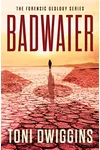
- Badwater (2011): The debut novel that introduced Sierra Geoforensics. Cassie and Walter are sent to the scorching depths of Death Valley to track down stolen, highly radioactive waste. It is a high-stakes race against nuclear terrorism where the desert's extreme geology is both a clue and a hazard. This book won Wired.com's Best Indie Whodunit award in 2012.
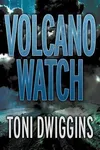
- Volcano Watch (2012): Set in Cassie and Walter's hometown of Mammoth Lakes, California. The local mayor is found murdered with a note saying "NO WAY OUT" in her pocket. As the town sits on a seething volcano moving toward a red alert, the duo must decode mineral clues to stop an emergency planner with a twisted agenda.
- Quicksilver (2013): A venture capitalist hires Cassie and Walter to find his missing brother in California's gold country. They uncover a trail of gold-flecked rocks, toxic mercury poisoning, and a deadly sibling feud dating back to the Gold Rush era.
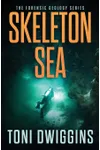
- Skeleton Sea (2015): Shifting from dry land to the Pacific coast, this installment plunges Cassie and Walter into offshore California waters. They must read marine mineral trails and geologic clues under the waves to stop a perpetrator's sinister environmental plans.
- River Run (2019): Set in the depths of the Grand Canyon. After a group of rafters goes missing, leaving behind only a stranded raft and a bag of pebbles, Cassie and Walter must raft the dangerous rapids of the Colorado River to uncover an eco-terrorism plot.
- Lands End (2023): The sixth book brings the duo to San Francisco. A murder victim is found at an archaeological dig site with a cryptic note reading "We will bury you." Cassie and Walter use their geological "X-ray eyes" to trace mineral clues back to the killer.
What to Know Before You Start
Before you begin reading, here are some key aspects of the series to keep in mind:
1. True Standalones
Every book in the series resolves its primary mystery by the final page. While the professional partnership and mutual trust between Cassie and Walter grow as the series progresses, there are no cliffhangers or serial elements that force a strict reading order.
2. Grounded in Real Science
Toni Dwiggins is a third-generation Californian who grew up hiking the Sierra Mountains and collecting rocks. While she is a fiction writer rather than a professional scientist, she does extensive research and consults with geologic experts to ensure the forensic science and environmental crises featured in her books are realistic and accurate.
3. The Dynamic Duo
The heart of the series is the platonic, mentor-student dynamic between Cassie, the sharp young geologist, and Walter, her seasoned, tech-averse mentor. Their banter, differing approaches to fieldwork, and deep mutual respect bring a warm, human element to the technical scientific investigations.