
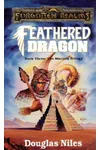
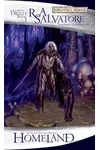
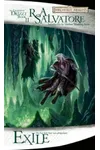
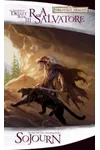
Where to Start: The Four Best Entry Points
Because the Forgotten Realms is a shared setting containing hundreds of novels by dozens of different authors, there is no single "correct" chronological sequence. Instead, the universe is built of self-contained series. Most readers start with one of these four main entry points depending on their reading preferences:
1. The Legend of Drizzt (The Fan-Favorite Path)
By far the most popular entry point into the Realms is through the novels of R.A. Salvatore focusing on Drizzt Do'Urden, a dark elf (drow) ranger who rejects his subterranean society's cruelty to forge a life of honor on the surface. Within this massive subseries, you have two great options to begin:
- The Chronological Start (The Dark Elf Trilogy): Beginning with Homeland (1990), followed by Exile and Sojourn. This trilogy tells Drizzt's origin story in the dangerous Underdark city of Menzoberranzan. It is widely recommended because it provides the emotional foundation and backstory for his character.
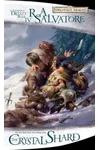
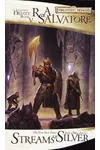
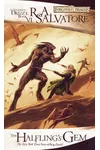
- The Publication Start (The Icewind Dale Trilogy): Beginning with The Crystal Shard (1988), followed by Streams of Silver and The Halfling's Gem. This was the first trilogy Salvatore published. It introduces Drizzt alongside his core companions—Bruenor Battlehammer, Wulfgar, and Regis—offering a classic high-adventure feel.
2. Douglas Niles' Moonshae Trilogy (The Historical Classic Start)
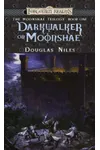
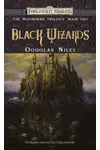
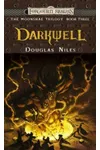
If you want to experience the Forgotten Realms exactly as it began, start with Darkwalker on Moonshae (1987). This was the very first novel published in the Forgotten Realms setting. The trilogy—which also includes Black Wizards and Darkwell—is heavily inspired by Celtic folklore and offers a traditional high-fantasy narrative that serves as a gentle, grounded introduction to the world's geography and lore.
3. Elminster: The Making of a Mage (The Lore-Rich Start)
Written by setting creator Ed Greenwood, this path follows the life of Elminster Aumar, the Realms' most famous archmage. Starting with Elminster: The Making of a Mage (1992), this series tracks his path from a young outlaw to the chosen servant of Mystra, the goddess of magic. It is the best choice for readers who want a deep dive into the inner workings of magic, history, and major setting factions.
4. The Avatar Series (The World-Shaping Event Start)
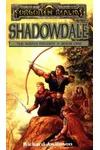
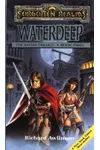
For readers who want to dive straight into the history of the Realms, the Avatar Series (frequently referred to as the Time of Troubles) is essential. When the high god Lord Ao casts the pantheon down to walk the earth in mortal form, chaos ensues. Starting with Shadowdale (1989), followed by Tantras and Waterdeep, this series forever altered the pantheon and geography of the setting, providing context for many later books and video games like Baldur's Gate.
Understanding the Major Subseries and Cycles
Once you choose a starting point, you can explore the setting's vast landscape through distinct, themed subseries based on local data:
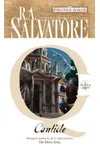
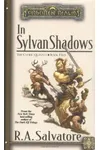
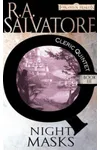
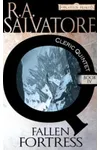
- The Cleric Quintet: An excellent five-book series by R.A. Salvatore starting with Canticle (1991). It focuses on Cadderly Bonaduce, a scholarly young cleric who must stop a dark curse. Cadderly eventually crosses over into Drizzt's timeline in Passage to Dawn and subsequent novels.
- Brimstone Angels: A modern fan favorite by Erin M. Evans starting with Brimstone Angels (2011). It follows tiefling twins Farideh and Havilar as they navigate warlock pacts, devilish politics, and the dangerous machinations of the Hells. It is highly regarded for its complex characters and modern pacing.
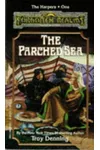
- The Harpers: A massive, multi-author collaborative series starting with The Parched Sea (1991). These books focus on members of the Harpers, a semi-secret organization of bards, rangers, and spies working to preserve balance and thwart tyrants across the continent.
- The War of the Spider Queen: A dark, high-stakes six-book series overseen by Salvatore but written by various authors (beginning with Dissolution by Richard Lee Byers). It explores a crisis in the drow pantheon when the goddess Lolth goes silent, sending a party of drow nobles on a desperate, treacherous quest.
Roadmap of the Drizzt Saga
If you choose to follow Drizzt Do'Urden, R.A. Salvatore has structured his story into distinct chronological blocks. Following the opening trilogies (The Dark Elf Trilogy and The Icewind Dale Trilogy), the story progresses through:
- Legacy of the Drow: Comprising The Legacy, Starless Night, Siege of Darkness, and Passage to Dawn. This cycle brings the threat of Menzoberranzan directly to the surface.
- Paths of Darkness: Covering The Silent Blade, The Spine of the World, and Sea of Swords, which deal with the psychological fallout of the companions' battles.
- The Hunter's Blades: A war trilogy consisting of The Thousand Orcs, The Lone Drow, and The Two Swords.
- Transitions & Neverwinter: These cycles bridge the gap across the setting's Spellplague time-jump, introducing new companions and political struggles in the city of Neverwinter.
- The Sundering & Beyond: Starting with the transition novel The Companions, Drizzt's story enters its modern era with the Companions Codex, Homecoming, Generations, and Way of the Drow.
Chronological vs. Publication Order: Navigating the Timeline Shifts
While character-specific arcs like Drizzt's can be read chronologically, reading the entire Forgotten Realms catalog in strict chronological order is not recommended. The timeline is punctuated by massive, world-altering events that D&D publishers used to transition the setting between game editions:
- The Time of Troubles (1358 DR): Detailed in the Avatar Series. Gods become mortal, magic becomes wild and unpredictable, and new deities ascend.
- The Spellplague (1385 DR): A cataclysmic event triggered by the death of the goddess of magic. It caused widespread geographical shifts and introduces a century-long time jump, paving the way for Salvatore's Transitions and Neverwinter cycles.
- The Sundering (1482 DR): A multi-author crossover event (including Salvatore's The Companions and Evans' The Adversary) that restored the world to a state of classic adventure, serving as the bridge to D&D's fifth edition.
Because these events radically alter the landscape, reading in publication order helps you understand the changes naturally. If you read chronologically, you may jump between books written decades apart with wildly differing prose styles, tones, and assumptions about how the setting's magic works.
Practical Advice for New Readers
To keep your reading experience fun and manageable, keep these practical tips in mind:
- Do not worry about reading everything: The Forgotten Realms is a shared sandbox, not a single linear novel series. Treat it like a library where you pick the stories that interest you.
- Stick to Salvatore for Drizzt: If you enjoy Drizzt, you can safely follow Salvatore's chronological Drizzt series all the way through to the Way of the Drow trilogy (ending with Lolth's Warrior in 2023). You do not need to pause to read unrelated Realms books.
- Embrace standalone entries: Books like Evermeet: Island of Elves by Elaine Cunningham offer fantastic standalone history that adds flavor to the world without requiring a multi-book commitment.
- Expect slight continuity discrepancies: With dozens of authors writing over nearly forty years, minor contradictions in lore and geography are bound to happen. The safest approach is to enjoy each author's distinct vision of the Realms.