





The Recommended Fred Carver Reading Path
If you are looking to dive into the cases of Fred Carver, the path is straightforward. Author John Lutz wrote the ten novels in a single linear timeline that matches their publication order. Because Fred Carver's personal life, relationships, and physical struggles develop continuously from one book to the next, reading them out of sequence will spoil major character milestones, including a devastating personal tragedy in the second book and the climax of his relationship in the final volume. We strongly recommend reading the series in its original chronological publication order.
The Fred Carver Series in Publication Order
Here is the complete line-up of Fred Carver novels, following the unique naming convention of one-word, heat-related titles after the debut:
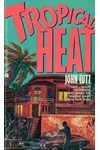
Tropical Heat (1986): The book that started it all. Fred Carver is hired by a real estate agent to locate her missing lover, who mysteriously vanished from a high-rise terrace. The investigation drags Carver away from Orlando and into the Florida Everglades, exposing a murky underworld of real estate scams, drug trafficking, and dangerous secrets.
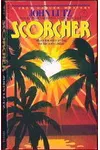
Scorcher (1987): A dark and intensely personal entry. A serial killer armed with a homemade flamethrower is terrorizing Florida. The case becomes a nightmare when Carver's own eight-year-old son is murdered, sending the detective on a relentless, vengeance-fueled manhunt.
Kiss (1988): Atmospheric and bleak, this mystery begins at a sun-bleached retirement home where Carver investigates a seemingly natural death. He soon uncovers a sinister plot targeting vulnerable seniors, plunging him into one of the most chilling cases of his career.
Flame (1990): When a new client is assassinated by a car bomb just moments after leaving Carver's office, the detective is left with a pile of ash and a mystery. Carver must dig into the dead man's secret history to find out who wanted him dead and why.
Bloodfire (1991): Carver is hired by a ruthless drug kingpin using an alias to track down his supposedly runaway, heroin-addicted wife. Upon finding her, Carver realizes she is a victim trying to escape, forcing him to stand between her and a deadly criminal empire.
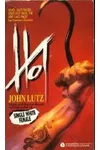
Hot (1992): Carver travels south to the Florida Keys, where he is hired to look into a wealthy yachtsman suspected of running illegal operations. The tropical paradise quickly turns deadly as Carver navigates corrupt locals and smuggler networks.
Spark (1993): Set in Solartown, an eccentric, planned retirement community. Carver is brought in to investigate a series of bizarre and highly suspicious deaths among the elderly residents, discovering that murder has no retirement age.
Torch (1994): Back in his home base of Del Moray, Carver finds himself entangled in a complicated web of sexual blackmail, local political ambition, and deep-seated police corruption that threatens to destroy his remaining allies.
Burn (1995): A classic suspense plot where a client named Joel Brandt claims he is being falsely accused of stalking a woman he has never met. As Carver investigates, the lines between the hunter and the hunted blur in dangerous ways.
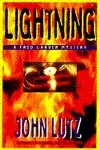
Lightning (1996): The final novel in the series is the most emotional. Carver’s long-time girlfriend, reporter Beth Jackson, is severely injured in an abortion clinic bombing, resulting in the tragic loss of her unborn child. Carver defies the official police investigation to hunt down the domestic terrorists responsible.
Meet Fred Carver: A Portrait of Florida Noir
Before Fred Carver became a private investigator, he was a rising star in the Orlando Police Department. That life ended when a young street criminal shot him in the left knee. The bullet shattered more than just joint and bone; it cost him his police career, his marriage, and his sense of security. Carver emerged from the hospital with a permanently stiff leg, a wooden cane, and a pension that barely covered the bills.
Carver relocates to the fictional coastal town of Del Moray, Florida, setting up shop as a private eye. He is the quintessential "walking wounded" protagonist—a man who relies on his cane to walk but refuses to let it slow down his intellect or his stubborn pursuit of justice. Unlike the flashy, bulletproof heroes of typical thriller fiction, Carver's vulnerability is central to the series. The tropical heat, the physical pain, and the mental scars of his past shape every case he takes.
He is supported throughout the series by two recurring figures: Alfonso De Soto, a sympathetic police lieutenant who serves as Carver's link to official law enforcement resources, and Beth Jackson, a determined reporter who becomes Carver's romantic partner and emotional anchor. Together, they form the heart of a series that explores themes of loss, aging, and moral compromise in a state defined by blinding sun and deep shadows.
The Crossover: When Fred Carver Met Alo Nudger
Fans of John Lutz will know that Fred Carver is not his only famous private investigator. Lutz also created Alo Nudger, a St. Louis-based detective known for his nervous stomach and low-stakes cases. For years, the two PIs operated in separate spheres, but Lutz eventually brought them together in a crossover short story titled "Recreational Vehicle."
In this story, Alo Nudger travels down to the Sunshine State to assist his girlfriend’s aunt and uncle, who are being blackmailed by local scammers. Navigating the unfamiliar territory of Florida, Nudger seeks out local help and teams up with Fred Carver. The story is a delightful contrast in styles: Nudger’s cautious, anxious approach plays perfectly against Carver’s cynical, cane-leaning grit. While this short story is not required reading to understand the main novels, it is a rewarding treat for fans of Lutz's wider bibliography.
Practical Reader Advice
If you are planning to read the series, keep a few practical tips in mind. First, look out for omnibus editions. Publishers have occasionally grouped the novels into collections, such as "The Fred Carver Mysteries Volume One," which makes acquiring the early books much easier. Second, prepare for a tonal shift. The first novel, Tropical Heat, establishes the sun-and-sand setting with a classic detective structure, but Scorcher introduces a level of dark, personal tragedy that alters Carver's character for the rest of the run.
Additionally, because these books were written and set in the late 1980s and early 1990s, they lack modern technology like smartphones or GPS. Carver solves his cases the old-fashioned way: hitting the pavement, using payphones, and relying on paper records. This analog style enhances the hard-boiled atmosphere and keeps the tension grounded in human interaction.