


The Recommended Reading Order
For the best reading experience, you should read the Freedman/Johnson series in its publication order. Because the narrative moves chronologically forward through American history, following the order of release allows you to experience the generations of the Freedman and Johnson families exactly as Laila Ibrahim constructed their story. The publication order matches the chronological timeline perfectly, tracing the family lines from 1837 Virginia through the mid-20th century in California.
The Freedman/Johnson Books in Detail
1. Yellow Crocus (2010)
Set in 1837 on the Fair Oakes plantation in Virginia, the novel that started it all introduces Mattie, an enslaved young mother who is forced to leave her own newborn son, Samuel, to become the wet nurse and nanny for the plantation owners' infant daughter, Lisbeth. Over the years, Mattie and Lisbeth form an incredibly deep, loving, and complex bond. However, this connection is constantly threatened by the brutal realities of the antebellum South's slave-owning society. As Lisbeth grows older, she begins to realize the injustice surrounding her, eventually leading to choices that will alter both families' lives forever.
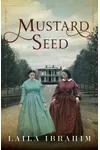
2. Mustard Seed (2017)
Set in the late 1860s during the Reconstruction Era, this second book picks up shortly after the end of the Civil War. The focus shifts to Jordan Freedman (Mattie's daughter), who has attained education and freedom in Ohio, and a post-war Lisbeth Johnson. The story explores the painful adjustments of the post-abolition era as Jordan and Mattie return to the South to find missing family members, confronting the rise of new forms of institutional racism, the KKK, and the struggle to establish true independence. It bridges the family's history between their plantation past and their aspirations for a free future.
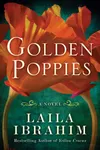
3. Golden Poppies (2020)
Moving into the 1890s during the Gilded Age, the third novel shifts its focus to the next generation. It follows Sadie Wagner (Lisbeth’s daughter) and Jordan Freedman (Mattie’s daughter) as they navigate the turn of the century. Set in locations ranging from Chicago to Oakland, California, the novel explores the rising movement of women's suffrage, anti-lynching activism, and the harsh realities of racial segregation. Sadie and Jordan must sustain their ancestral bond in a society that continues to build walls between Black and white Americans.
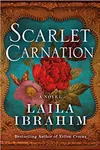
4. Scarlet Carnation (2022)
Set in 1915 in the San Francisco Bay Area, this installment brings the family lines into the early 20th century against the backdrop of World War I and the women's suffrage movement. The narrative centers on May (Lisbeth's granddaughter, daughter of Sam) and Naomi (Mattie's granddaughter, daughter of Jordan). May faces personal upheaval when her traditional future is upended, while Naomi, a dedicated nurse and leader within the early NAACP, struggles to secure a safe home for her family amidst rising racial housing covenants. The two women rely on their shared multi-generational bond to seek independence and justice.
5. Falling Wisteria (2024)
The fifth book in the saga is set in 1941 in Berkeley, California, just as the United States is thrust into World War II. The protagonist is Kay Lynn Brooke, a descendant of the family line (granddaughter of Lisbeth and daughter of May). Her life is thrown into chaos following the bombing of Pearl Harbor. When her dear Japanese-American neighbor and friend, Kimiko Fujioka, is forcibly relocated to an internment camp, Kay Lynn fights to keep her household together and challenges local social injustices. Through letters, Kay Lynn and Kimiko sustain their friendship during one of America's darkest periods.
Chronological Timeline vs. Publication Order
Because Laila Ibrahim wrote the books in a direct chronological sequence, there is no conflict between how the books were published and the timeline of the universe. Readers do not need to juggle complicated timelines. The chronological sequence is:
- Yellow Crocus — Set in 1837 (Antebellum Era)
- Mustard Seed — Set in 1868 (Reconstruction Era)
- Golden Poppies — Set in the 1890s (Gilded Age)
- Scarlet Carnation — Set in 1915 (World War I Era)
- Falling Wisteria — Set in 1941 (World War II Era)
What to Know Before You Start
Laila Ibrahim’s background in developmental psychology, attachment theory, and her work as a birth doula and preschool director heavily influence the themes of the series. The novels focus intensely on maternal bonds, the emotional toll of mother-child separation, and the psychological impact of systemic oppression. Ibrahim's writing is known for tackling heavy, painful historical realities—such as slavery, segregation, and wartime internment—with a gentle, compassionate, and hopeful tone that centers on human resilience and love across racial boundaries.
Standalone Potential and Reading Advice
Can these books be read as standalones? Yes. Laila Ibrahim explicitly writes each installment to stand on its own, providing family trees, character guides, and brief context of past events within each book. However, we highly advise against reading them out of order. The emotional resonance of seeing the grandchildren and great-grandchildren of Mattie and Lisbeth interact in the 20th century is far more impactful if you have witnessed the original struggles of their ancestors in the antebellum South.
Laila Ibrahim's Other Novels
It is important to note that Laila Ibrahim has written other popular historical novels that are completely separate from the Freedman/Johnson universe. If you are looking to explore her broader bibliography, keep in mind that the following titles do not share characters or plotlines with the main series, though they cover similar themes of resilience and social justice:
- Living Right (2016): A contemporary and historical look at family, unconditional love, and religious differences.
- Paper Wife (2018): Follows a young Chinese woman who immigrates to San Francisco through Angel Island in 1923 under a false identity.
- After the Rain (2024): Set in 1954, exploring the lives of two women navigating systemic obstacles and unexpected connections in post-WWII America.