

How to Read the Fu Manchu Books: The Recommended Reading Order
For readers looking to dive into the shadowy world of the 'Devil Doctor,' the safest and most satisfying route is to follow the original publication order. Sax Rohmer wrote these stories over a span of nearly five decades, and the characters, technologies, and geopolitical landscapes progress naturally along with the years in which the books were written. Because of this, the publication sequence serves as the default chronological order for the characters' lives.
Rather than tackling the entire 13-novel run as one single block, it helps to break the series down into its distinct eras and official continuations:
Phase 1: The Classic Edwardian Trilogy (1913–1917)
This first trio of books forms a continuous story set in Edwardian London and the surrounding English countryside. They introduce the eternal battle between the brilliant villain Dr. Fu Manchu and his relentless British adversaries, Commissioner Sir Denis Nayland Smith and Dr. Petrie.
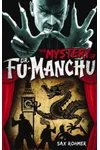
- The Mystery of Dr. Fu-Manchu (1913) – Also published in the US as The Insidious Dr. Fu-Manchu. This introduces the iconic villain, his venomous pets, and the foggy streets of London.
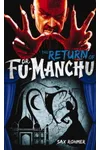
- The Return of Dr. Fu-Manchu (1916) – Also published as The Devil Doctor. Nayland Smith and Petrie continue their hunt as the mastermind returns from apparent death.
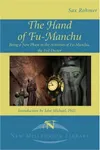
- The Hand of Fu-Manchu (1917) – Also published as The Si-Fan Mysteries. This volume focuses heavily on the Si-Fan, the secret Eastern society supporting Fu Manchu’s grand schemes.
Phase 2: The 1930s Pulp Revival (1931–1940)
Following a 14-year hiatus where Sax Rohmer attempted to retire the character, public demand brought the mastermind back. This era transitions the series from classic Edwardian mystery into fast-paced, globetrotting pulp adventure, introducing Fu Manchu's equally brilliant and devious daughter, Fah Lo Suee.
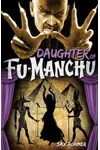
- The Daughter of Fu-Manchu (1931)
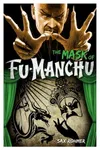
- The Mask of Fu-Manchu (1932)
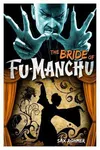
- The Bride of Fu-Manchu (1933) – Also published as Fu-Manchu's Bride.
- The Trail of Fu-Manchu (1934)
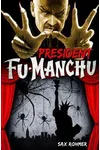
- President Fu-Manchu (1936) – Marking a shift to American politics as the villain attempts to influence a US presidential election.
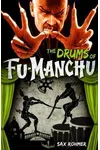
- The Drums of Fu-Manchu (1939)
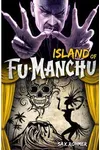
- The Island of Fu-Manchu (1940)
Phase 3: The Cold War and Late Era (1948–1959)
Written after World War II, these final novels show a significant shift in themes. As the Cold War set in, Sax Rohmer adapted the plots to match current fears, seeing Fu Manchu target the Communist regime in China and Soviet military installations. While Fu Manchu and Nayland Smith remain adversaries, they occasionally find their efforts aligned against common Communist threats.
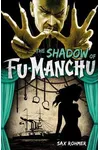
- The Shadow of Fu-Manchu (1948)
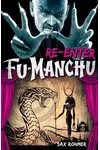
- Re-enter Fu-Manchu (1957)
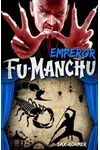
- Emperor Fu-Manchu (1959) – Sax Rohmer's final completed novel.
The Posthumous Short Stories
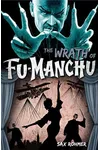
- The Wrath of Fu-Manchu (1973) – A posthumous collection compiled after Rohmer’s 1959 death. It contains the title novella (originally written in 1952 but delayed due to U.S. television rights disputes) along with three other Fu Manchu short stories and non-series tales.
The Authorized Sequels and Crossovers
For readers who finish the core Rohmer series and want more, there are several authorized continuations licensed by the Sax Rohmer literary estate. These books expand on the lore and bridge gaps in the timeline:
The Cay Van Ash Novels
Cay Van Ash was a close friend and assistant to Sax Rohmer, even co-authoring Rohmer's biography, Master of Villainy. He penned two officially sanctioned novels:
- Ten Years Beyond Baker Street (1984) – A crossover novel in which Dr. Petrie recruits an aging Sherlock Holmes to match wits with Fu Manchu in 1914, fitting neatly between the events of The Return and The Hand.
- The Fires of Fu Manchu (1987) – Set during the outbreak of World War I, bridging the early trilogy.
The William Patrick Maynard Novels
Licensed in the 21st century, William Patrick Maynard wrote two action-heavy, authorized novels that capture Rohmer’s signature pulp style:
- The Terror of Fu Manchu (2009) – Explores the early days of the conflict.
- The Destiny of Fu Manchu (2012) – Continues the saga with high-stakes historical intrigue.
Chronological Order vs. Publication Order
While publication order is the standard pathway, dedicated fans and literary scholars (particularly those mapping the 'Wold Newton' shared universe) have constructed complex in-universe chronologies. Because Rohmer wrote the books out of order relative to some of his historical settings, a chronological reading requires inserting spin-offs and sequels between the main novels.
For instance, Cay Van Ash's Ten Years Beyond Baker Street takes place in 1914, meaning it sits chronologically between the second and third original novels. Similarly, some of the short stories in The Wrath of Fu-Manchu are set much earlier in the timeline than their 1973 publication date. However, for a first-time reader, trying to parse these timeline splits can be confusing, making the publication order the safest and most enjoyable path.
What to Know Before You Start
Modern readers must approach the Fu Manchu books as historical artifacts of the early 20th century. Created during the height of the 'Yellow Peril' xenophobia in Western literature, the early novels contain outdated racial stereotypes, caricatures, and imperialistic attitudes common in pulp magazines of the 1910s and 1920s. Over time, Fu Manchu evolved from a pure caricature into a complex, highly intelligent antihero with a strict personal code of honor, but the dated language remains throughout the series. Understanding this context allows readers to appreciate the fast-paced pulp adventure, the memorable suspense, and the historical influence of the character on modern pop-culture villains like James Bond's adversaries.