





How to Read the Georgian Saga: The Recommended Path
For the best reading experience, we highly recommend reading the Georgian Saga in its chronological order, which also matches its publication order. Spanning from the late 17th century to the early 19th century, the series traces the rise and dramatic reign of the Hanoverian dynasty in Great Britain. By starting at the beginning, you can watch the succession of the crown pass down through the generations, building a complete picture of the political intrigue, domestic disputes, and royal scandals that defined the era.
Because the chronological order of events aligns perfectly with the order in which the books were released, readers do not have to worry about jumping back and forth in time. Each novel functions as a standalone narrative focusing on specific historical figures, but the recurring background characters, court politics, and family rivalries make reading them sequentially immensely rewarding.
The Georgian Saga Books in Chronological and Publication Order
Here is the complete chronological sequence of the 11 novels in the Georgian Saga, detailing the primary historical figures and settings for each installment:
1. The Princess of Celle (1967)
The saga begins with the tragic story of Sophia Dorothea of Celle, who is forced into a political marriage with her cousin, the coarse George Lewis (the future King George I). Trapped in a cold court in Hanover, her desperate romance with the handsome Swedish Count Philip Königsmarck leads to a legendary scandal, imprisonment, and the birth of a royal dynasty built on heartbreak.
2. Queen in Waiting (1967)
This volume follows the clever and resilient Caroline of Ansbach as she arrives in England as the Princess of Wales. Navigating a dysfunctional royal household plagued by the bitter hatred between her husband (the future King George II) and his father, Caroline must use all of her diplomatic skills to secure her place in court.
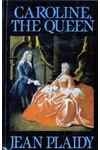
3. Caroline, the Queen (1968)
Continuing Caroline of Ansbach’s story, this novel focuses on her tenure as Queen Consort. Working closely with Prime Minister Robert Walpole, Caroline effectively rules England behind the scenes, managing her dim-witted husband's tantrums and mistresses while trying to control her own rebellious children.
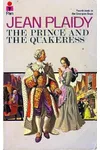
4. The Prince and the Quakeress (1968)
Shifting focus to the next generation, this novel explores the early life of the future King George III. It centers on the famous historical legend of his youthful, secret romance with the beautiful Quaker girl, Hannah Lightfoot, illustrating the clash between personal desire and royal duty.
5. The Third George (1969)
This entry chronicles the official reign of King George III and his marriage to Charlotte of Mecklenburg-Strelitz. While George attempts to be a moral and dutiful monarch, his reign is plagued by political upheaval, the loss of the American colonies, and the onset of his infamous bouts of mental illness.
6. Perdita's Prince (1969)
The narrative transitions to the scandalous life of the young Prince Regent (the future King George IV). The book details his passionate affair with the beautiful actress Mary Robinson, known as 'Perdita' after her famous stage role, highlighting the prince's reputation for indulgence.
7. Sweet Lass of Richmond Hill (1970)
This novel focuses on the Prince Regent's deep and enduring relationship with Maria Fitzherbert, a Catholic widow. Despite the strict laws forbidding royal marriages to Catholics, the two engage in a secret, illegal union that threatens the stability of the crown.
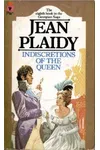
8. Indiscretions of the Queen (1970)
Here, the focus turns to the disastrous official marriage of George IV and his cousin, Caroline of Brunswick. Their mutual loathing leads to a public separation, court trials, and a battle for the public's affection, representing one of the most embarrassing chapters in British royal history.
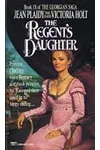
9. The Regent's Daughter (1971)
This poignant novel tells the story of Princess Charlotte of Wales, the only child of George IV and Caroline of Brunswick. As the sole legitimate heir to the throne, Charlotte is a beacon of hope for the British public, but she must navigate the toxic warfare between her estranged parents.
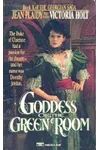
10. Goddess of the Green Room (1971)
Taking a step away from the direct line of succession, this novel follows Dorothy Jordan, a celebrated stage actress who becomes the long-term mistress of the Duke of Clarence (the future King William IV). Together they raise a large family of illegitimate children, the FitzClarences, in a domestic arrangement that is both loving and precarious.
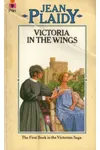
11. Victoria in the Wings (1972)
The final book in the saga covers the sudden succession crisis following the tragic death of Princess Charlotte. With no legitimate heirs in the next generation, the aging sons of George III embark on a frantic race to marry and produce an heir. The novel culminates in the birth and early childhood of the future Queen Victoria, setting the stage for a new historical era.
What to Know Before You Start
Jean Plaidy is the historical fiction pseudonym of Eleanor Alice Burford Hibbert, who was incredibly prolific and also wrote under the names Victoria Holt and Philippa Carr. In the Georgian Saga, Plaidy's signature style shines through: she avoids dry recitations of battles and treaties in favor of intimate, character-driven storytelling, particularly highlighting the struggles of women who were historically sidelined or controlled by dynastic marriages.
For readers who enjoy expansive historical worlds, the Georgian Saga acts as a bridge between other major series by the author. It serves as a direct chronological sequel to her Stuart Saga (which ends with the reign of Queen Anne in The Queen's Favourites). Once you finish Victoria in the Wings, you can transition directly into Plaidy's Queen Victoria series (beginning with The Captive of Kensington Palace), which continues the narrative of the British monarchy through the 19th century.
Practical Reading Advice
While the books are out of print in some regions, they have been reissued as ebooks and are widely available in libraries and second-hand bookshops. Because Plaidy maintains a consistent tone and style, readers can dip into specific novels if they are only interested in certain historical figures—such as the tragic Sophia Dorothea or the theatrical Dorothy Jordan. However, to appreciate the gradual transformation of the royal court from the German-influenced early Hanoverians to the dawn of the Victorian age, a complete cover-to-cover read is highly recommended.