

How to Read the Ghostville Elementary Series
For young readers diving into the spooky and humorous world of Ghostville Elementary, the best path forward is straightforward: read the books in publication order. Written by the bestselling collaborative team of Debbie Dadey and Marcia Thornton Jones, the series spans 17 books. Reading them in order allows children to watch the friendships grow between the main third-grade protagonists—Nina, Jeff, and Cassidy—as they learn to navigate their bizarre, haunted school basement.
Because the books follow a linear progression of the school year and build on the kids' evolving relationship with the resident ghosts, starting with the very first book is highly recommended. The ghosts, led by characters like Becky and Ozzy, start out as spooky nuisances but slowly become familiar, mischievous companions. Reading the series out of order won't ruin the plot, as each mystery is self-contained, but the character dynamics make the most sense when followed from the beginning.
Ghostville Elementary Books in Publication Order
Below is the complete list of all 17 books in the Ghostville Elementary series, reflecting the order in which they were published by Scholastic between 2003 and 2007:
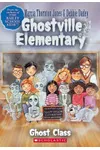
- Ghost Class (2003) – Nina, Jeff, and Cassidy discover that their new third-grade classroom in the basement of Sleepy Hollow Elementary is already occupied by a class of ghosts.
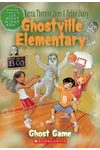
- Ghost Game (2003) – The kids must challenge the ghost class to a basketball showdown to restore order to the school.
- New Ghoul in School (2004) – A mysterious new student arrives, leaving the trio to wonder if he is actually a ghost in disguise.
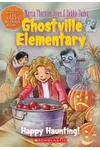
- Happy Haunting (2004) – Eerie adventures unfold during Halloween as the boundaries between the living and the ghostly classrooms blur.
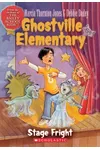
- Stage Fright (2004) – The school play gets disrupted by ghostly antics, causing chaotic stage fright for the young actors.
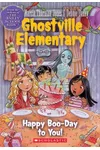
- Happy Boo-Day to You! (2004) – Nina's birthday party is crashed by the spectral residents of the basement, leading to spooky celebrations.
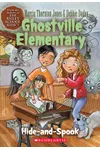
- Hide-and-Spook (2004) – A game of hide-and-seek turns supernatural when the ghosts decide to participate.
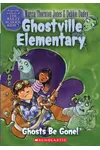
- Ghosts Be Gone! (2005) – The kids try to find a way to quiet the ghosts down when the school principal threatens to investigate the basement.
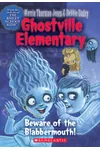
- Beware of the Blabbermouth! (2005) – A chatty classmate threatens to expose the secret of the haunted classroom to the entire school.
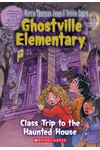
- Class Trip to the Haunted House (2005) – The third-grade class goes on a field trip, only to find that their ghostly basement neighbors have tagged along.
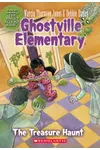
- The Treasure Haunt (2005) – A spooky treasure hunt leads the trio to uncover historical secrets about their old school building.
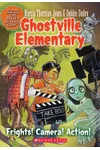
- Frights, Camera, Action! (2005) – A film crew arrives at the school, and the kids must keep the ghosts from ruining the production (or starring in it).
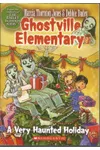
- A Very Haunted Holiday (2006) – The winter holidays bring seasonal spirits and festive hauntings to Sleepy Hollow Elementary.
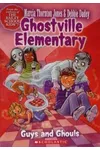
- Guys and Ghouls (2006) – Rivalries flare up as the kids and ghosts compete in school-wide challenges.
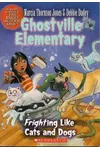
- Frighting Like Cats and Dogs (2006) – Mischievous spectral pets cause havoc around the classroom, requiring teamwork to solve.
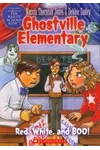
- Red, White, and Boo! (2007) – Patriotic celebrations take a spooky turn as the school year starts drawing to a close.
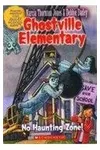
- No Haunting Zone (2007) – In the final installment, the kids must stand up for their ghostly friends when a strict 'no haunting' rule threatens to evict the ghosts for good.
Understanding the Reading Caveats and Chronology
While the chronological order matches the publication order, there are minor database discrepancies readers might encounter when buying books online. In the official publisher listings and primary library records, Guys and Ghouls is categorized as Book #13, Frighting Like Cats and Dogs as Book #14, and the festive special A Very Haunted Holiday as Book #15. However, some alternate retail databases swap these three around due to seasonal promotion windows. Regardless of the numbering printed on the spine, reading these mid-series books in any order will not impact a child's understanding of the plot.
As a series aimed at reluctant readers in the 7 to 11 age group, the books are designed to be accessible. They feature short chapters, larger fonts, and engaging illustrations by Jeremy Tugeau. If a reader cannot find a specific volume—such as the rarer late-series releases like Red, White, and Boo!—they can easily skip it and move to the next without feeling lost. The core status quo remains consistent: three kids, a haunted basement classroom, and lighthearted supernatural shenanigans.
Meet the Characters of Sleepy Hollow Elementary
The success of the series lies in its relatable human cast and the comical, non-threatening nature of the ghosts:
- Nina: Practical and level-headed, Nina is often the one who tries to apply logic to the supernatural situations the kids encounter.
- Jeff: Easily frightened but loyal, Jeff provides much of the comic relief as he tries to navigate his fear of the dark and the spectral classmates.
- Cassidy: Adventurous and curious, Cassidy is usually the first to suggest investigating a strange noise or talking to the ghosts.
- Becky and Ozzy: The primary ghost children who haunt the basement. Rather than being terrifying, they are mischievous, acting like typical kids who just happen to be invisible and capable of floating through walls.
The Spooky Legacy of Debbie Dadey and Marcia Thornton Jones
Debbie Dadey and Marcia Thornton Jones are a legendary writing duo in children's literature, best known for creating the massive hit series The Adventures of the Bailey School Kids, which sold over 43 million copies worldwide. Both former teachers from Kentucky, the authors drew directly from their classroom experiences to write stories that engage kids who are just transitionining into chapter books. Ghostville Elementary stands as a spiritual successor to the Bailey School Kids, taking the same formula of gentle mysteries and relatable school settings but giving the kids direct, active contact with the supernatural elements rather than keeping them guessing.