
The Recommended Reading Order: Where to Start?
Joyce Carol Oates’s Gothic Saga (often referred to as the Gothic Quintet) is not a conventional series with continuing characters or sequential plotlines. Instead, it is a collection of five independent novels linked by their shared devotion to the gothic genre, historical American settings, and surreal supernatural occurrences. Because each novel is entirely self-contained, readers can approach the series in a couple of different ways.
Option 1: Publication Order (Recommended)
Reading the novels in the order they were written is the most popular and rewarding approach. It allows you to experience how Oates’s narrative ambitions, satirical elements, and stylistic choices evolved over the course of more than three decades. While the first three books were published in quick succession during the early 1980s, the final two emerged after significant gaps.
Option 2: The Easiest Entry Points
If you do not want to commit to the entire publication sequence, there are two primary entry points depending on your taste:
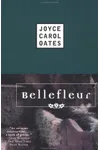
- Start with Bellefleur (1980): If you want to experience the series’ roots, this is the natural place to begin. It establishes Oates’s take on the American Gothic—fluid, multi-generational, and heavily layered with surreal, magical realist elements.
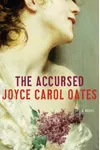
- Start with The Accursed (2013): For those who prefer a more focused, historically grounded, and modern narrative, the final installment is an excellent starting point. Set in Edwardian-era Princeton, it blends real-world historical figures with a terrifying demonic curse, offering a brilliant example of Oates’s mature Gothic style.
The Gothic Saga in Publication Order
Here is the complete list of the Gothic Saga books, detailed in their original order of publication:
1. Bellefleur (1980)
Set in a fictionalized version of upstate New York’s Adirondack region, this sweeping, non-linear epic follows several generations of the wealthy and eccentric Bellefleur family. Living in a decaying castle on the shores of Lake Noir, the family is plagued by shape-shifters, ghosts, a vampire-like relative, and familial curses that span from the late 18th century to the mid-20th century. Oates uses this surreal landscape to examine the corrupting nature of wealth, power, and the dark side of the American dream.
2. A Bloodsmoor Romance (1982)
A satirical parody of 19th-century domestic romances and Victorian novels of manners. Set in Bloodsmoor, Pennsylvania, it chronicles the lives of the Zinn sisters and their eccentric inventor father between 1879 and 1899. The story begins with a bizarre abduction via a black-silk hot air balloon and delves into spiritualism, time machines, and the early feminist movement as the sisters attempt to escape the constraints of Christian marriage.
3. Mysteries of Winterthurn (1984)
A brilliant subversion of the Victorian detective novel. The story is presented as a compilation of three bizarre murder cases investigated by Xavier Kilgarvan from his youth to middle age in the fictional town of Winterthurn, New York. As Xavier attempts to apply logic and deduction to horrifying crimes, the novel exposes the limits of human reason when confronted with raw malice and the supernatural. Key cases include "The Virgin in the Rose-Bower" and "The Bloodstained Bridal Gown."
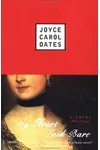
4. My Heart Laid Bare (1998)
Shifting focus to the world of confidence artists, this novel follows the criminal dynasty of Abraham Licht and his children. Beginning in 1891 in the town of Muirkirk, the family orchestrates elaborate scams across the expanding United States, with the narrative spanning several decades up to the Great Depression. Oates contrasts the family's elaborate confidence games with the broader illusions of American society.
5. The Accursed (2013)
The culmination of the quintet, this massive novel takes place in Princeton, New Jersey, during 1905–1906. It details a supernatural curse that descends upon the elite members of Princeton society, exposing the moral hypocrisy, racism, and misogyny hidden beneath their intellectual and privileged facades. Real-world historical figures like Woodrow Wilson, Grover Cleveland, Upton Sinclair, and Jack London appear as characters.
Chronological Settings and Order Caveats
Because the Gothic Saga books are standalones, chronological order is not strictly necessary, but it does offer an interesting perspective on American history. The internal timelines of the novels overlap significantly, but they generally move forward from the late 19th century into the early 20th century:
- Bellefleur: Covers a massive, fluid timeframe from the late 18th century through the mid-20th century, though its central focus is generational.
- A Bloodsmoor Romance: Firmly anchored between 1879 and 1899.
- Mysteries of Winterthurn: Spans approximately two dozen years in the late 19th and early 20th centuries.
- My Heart Laid Bare: Starts in 1891 and progresses through the early decades of the 20th century.
- The Accursed: Set specifically in 1905 and 1906.
The Chronological Caveat: Reading the books chronologically is highly discouraged for first-time readers. Because Bellefleur features an intentionally fluid, non-linear treatment of time where decades can pass in a single paragraph, attempting to pin it down chronologically is counterproductive. Furthermore, the narrative voices in these novels are highly stylized—such as the conservative Victorian spinster narrator in A Bloodsmoor Romance or the archaic collector in Mysteries of Winterthurn. Reading in publication order helps you appreciate Oates's intentional stylistic shifts rather than trying to construct a cohesive historical timeline.
What to Know Before You Start
Before diving into Oates's gothic universe, it is helpful to keep a few key details in mind to align your expectations:
- No Character Crossovers: Do not look for recurring characters, family connections, or overlapping storylines between the books. The connection is purely thematic and stylistic.
- Revisionist Gothic Tone: Oates utilizes classic gothic tropes—haunted houses, curses, spiritual mediums, and detective cases—to dissect the darker undercurrents of American history. Expect heavy themes including class struggle, systemic racism, misogyny, and intense psychological terror.
- Highly Stylized Prose: The reading experience can be challenging. Oates frequently adopts complex, period-accurate, or satirical narrative voices. The narration is often dense, dreamlike, and filled with non-linear structures, which makes the series best suited for fans of literary fiction and classic gothic horror rather than light, fast-paced mysteries.