
How to Read the Grantchester Mysteries: Recommended Orders
Written by James Runcie, the Grantchester Mysteries offer a warm, introspective, and beautifully detailed journey through post-war England. The series follows the life and cases of Canon Sidney Chambers, a jazz-loving Anglican vicar who finds himself solving local crimes alongside his friend, Detective Inspector Geordie Keating. Unlike traditional novels, the core series consists of collections of interconnected short stories, allowing readers to enjoy individual mysteries while watching the characters grow and age over several decades.
When it comes to reading this cozy crime series, you have two primary paths to choose from: Chronological Order or Publication Order. Both orders are highly enjoyable, but they offer slightly different ways to experience Sidney’s life.
The Chronological Reading Order
If you want to follow Sidney Chambers’ life in the exact order that events unfold—beginning with his traumatic wartime experiences and his path to ordination, all the way to his life in the 1970s—the chronological order is your best choice. This order places the 2019 prequel novel, The Road to Grantchester, at the very beginning of the series.
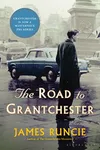
- The Road to Grantchester (2019) – Prequel novel. Set between 1943 and 1953.
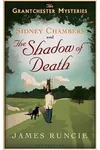
- Sidney Chambers and the Shadow of Death (2012) – First short story collection. Set starting in 1953 (the Coronation of Queen Elizabeth II).
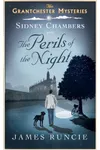
- Sidney Chambers and the Perils of the Night (2013) – Second collection. Set in the mid-1950s.
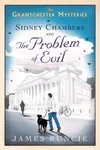
- Sidney Chambers and the Problem of Evil (2014) – Third collection. Set in the late 1950s.
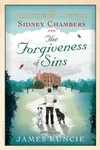
- Sidney Chambers and The Forgiveness of Sins (2015) – Fourth collection. Set in the early 1960s.
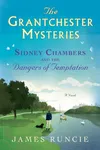
- Sidney Chambers and The Dangers of Temptation (2016) – Fifth collection. Set in the mid-to-late 1960s.
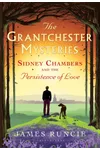
- Sidney Chambers and the Persistence of Love (2017) – Sixth collection. Set in the late 1960s and moving into the 1970s.
The Publication Reading Order
Reading in publication order lets you experience the series exactly as Runcie’s readers did. You start with Sidney already established as the vicar of Grantchester, solving cozy mysteries in the village, and only later look back at his origin story with the prequel. Many readers prefer this order because the short-story format of the main books sets the signature tone of the series, making the prequel a deeper, more satisfying look back once you are already attached to the characters.
- Sidney Chambers and the Shadow of Death (2012)
- Sidney Chambers and the Perils of the Night (2013)
- Sidney Chambers and the Problem of Evil (2014)
- Sidney Chambers and The Forgiveness of Sins (2015)
- Sidney Chambers and The Dangers of Temptation (2016)
- Sidney Chambers and the Persistence of Love (2017)
- The Road to Grantchester (2019)
Where Should You Start?
For most readers, the best starting point is the first published book, Sidney Chambers and the Shadow of Death. This volume immediately introduces the charming world of Grantchester, the dynamics between Sidney and Geordie, and the unique structure of the series. Runcie wrote the first six books as collections of six short stories each, intentionally mirroring the format of a television season. Starting here allows you to immediately grasp the cozy mystery style, the village setting, and the pastoral dilemmas that define the series.
However, if you prefer a continuous, long-form novel format and want to understand the psychological roots of Sidney’s character before seeing him solve crimes, starting with the prequel The Road to Grantchester is an excellent alternative. The prequel is a standalone, full-length novel that shows Sidney’s service in the Scots Guards during World War II, his experiences during the Battle of Monte Cassino, his struggles with survivor’s guilt, and his eventual decision to join the clergy. Understanding this background can make his later pastoral empathy and quiet search for justice even more moving.
Understanding the Continuity: Caveats & Timelines
While the chronological order is relatively straightforward, there are a few important caveats to keep in mind. Because James Runcie wrote the prequel after completing Sidney’s story arc in the main six volumes, there are subtle differences in tone and style. The Road to Grantchester is a serious, historical novel focusing on wartime trauma, grief, and spiritual awakening, whereas the main volumes are cozy, episodic mysteries laced with gentle humor and local color.
Furthermore, the main six books cover a massive span of time—from 1953 to the late 1970s. Over this time, Sidney ages, his parish duties shift, his relationships evolve, and British society undergoes dramatic changes. As the series progresses from the post-war austerity of the 1950s into the counterculture of the late 1960s and 1970s, the themes of the mysteries become more modern and complex, addressing topics like civil rights, changing sexual mores, and the decline of traditional church attendance. Reading the books in order is vital if you want to appreciate this slow, beautifully realized progression of both the characters and the setting.
The Grantchester Mysteries: Volume by Volume
To help you navigate the series, here is a detailed breakdown of what each book offers and the themes they explore:
1. The Road to Grantchester (2019)
This prequel novel stands out as the only traditional, full-length novel in the series. It begins in 1943 during the height of World War II, tracking Sidney Chambers as a young officer in the Scots Guards. It explores the horrors of the Italian campaign and the deep emotional scars Sidney carries back to civilian life. The second half of the book details his post-war academic life at Cambridge, his decision to enter the priesthood, his curacy in Coventry, and his eventual appointment as the vicar of Grantchester in 1953. It provides the essential psychological groundwork for his character.
2. Sidney Chambers and the Shadow of Death (2012)
This is where the mystery solving begins. Set in 1953, this collection of six stories introduces the 32-year-old bachelor vicar. Sidney teams up with the overworked, pragmatic Inspector Geordie Keating to solve cases ranging from an alleged suicide that turns out to be murder, to a theft of a valuable engagement ring, and a suspicious death in a jazz club. This book establishes Sidney's signature hobbies—listening to jazz, drinking warm beer, and playing backgammon—as well as his close circle of friends, including his curate Leonard Finch and his strict housekeeper Mrs. Maguire.
3. Sidney Chambers and the Perils of the Night (2013)
Moving into the mid-1950s, this volume features cases involving a suspicious fire at a Cambridge college, a poisoning, and a case of art forgery. It also introduces Hildegard Staunton, a German widow who quickly becomes an important figure in Sidney’s life. The book beautifully balances the cozy elements of village life with Sidney's growing moral dilemmas as a confessor and investigator.
4. Sidney Chambers and the Problem of Evil (2014)
Set during the late 1950s, this collection finds Sidney dealing with the complexities of human nature and temptation. The stories feature a robbery at a local parish, a suspicious death during an academic conference, and a mystery set during a filming production in the village. This volume places a heavy emphasis on the theological questions of sin, guilt, and redemption, highlighting the unique "whydunit" nature of Runcie's writing.
5. Sidney Chambers and The Forgiveness of Sins (2015)
As the series enters the 1960s, the social landscape of Britain begins to shift. Sidney, now married and facing new domestic responsibilities, must solve cases that touch on modern anxieties. Mysteries in this collection include a suspicious death at a sanctuary, a potential case of blackmail, and a poisoning. The collection highlights the challenges of balancing family life with the heavy emotional demands of a country parish.
6. Sidney Chambers and The Dangers of Temptation (2016)
Set in the mid-1960s, this volume reflects the cultural revolutions of the era. The mysteries involve a hippie commune, an art gallery theft, and a suspicious death in a university laboratory. Sidney finds himself navigating a rapidly changing world where traditional values are questioned, forcing him to adapt his pastoral care to a new generation of parishioners.
7. Sidney Chambers and the Persistence of Love (2017)
The final volume of the main series brings Sidney’s journey into the 1970s. Now an older, reflective Canon, Sidney faces cases involving a child's disappearance, a mystery at a local vineyard, and a crime at a literary festival. The stories tie up the long-running character arcs, showing Sidney reflecting on a lifetime of ministry, love, and crime-solving in a changed Britain.
Books vs. TV Adaptation: What Readers Should Know
Many readers discover The Grantchester Mysteries through the highly popular ITV/PBS Masterpiece television adaptation, simply titled Grantchester. While the show captures the scenic beauty of Cambridgeshire and the central partnership between a vicar and a detective, it departs significantly from James Runcie's original books as it progresses. Knowing these differences will help television fans enjoy the books without confusion.
- The Main Character's Fate: In the television series, Sidney Chambers (played by James Norton) has a tumultuous love life centered on Amanda Richmond and eventually leaves the priesthood and the village in Series 4, with subsequent series introducing new vicars like Will Davenport and Alphy Kottaram. In the books, Sidney Chambers remains the sole protagonist throughout all seven volumes, marrying the German widow Hildegard Staunton, raising a family, and serving as the vicar of Grantchester into the 1970s.
- Structure and Pace: The television show runs on a tight, serialized seasonal arc with high-stakes personal drama. The books, conversely, are structured as episodic short stories. While there is character growth, the pace is gentler, focusing on Sidney's theological musings, his sermons, and his daily pastoral rounds.
- Tone and Themes: The TV adaptation frequently leans into high-stakes melodrama, dramatic romance, and modern social commentary. The books are much closer to traditional "cozy" mysteries with a literary and spiritual edge. Runcie, whose father Robert Runcie was the Archbishop of Canterbury, uses the mysteries as a way to explore complex moral and theological questions about faith, forgiveness, and the human condition.