







The Recommended Reading Order for Gringos
To experience the Gringos series at its absolute best, you should read the books in their original publication order. Because the narrative progresses chronologically along a continuous timeline, following the publication sequence ensures you witness the characters' development, deteriorating relationships, and escalating stakes in the order the authors intended. There are no confusing prequels or mid-series timeline jumps to worry about.
Gringos Books in Publication (and Chronological) Order:
- Guns Across the River (1979)
- Cannons in the Rain (1979)
- Fire in the Wind (1979)
- Border Affair (1979)
- Easy Money (1980)
- Mazatlan (1980)
- One Too Many Mornings (1981)
- Wheels of Thunder (1981)
- Durango (1982)
- Survivors (1982)
A Closer Look at the Gringos Saga
Set against the dusty, blood-soaked backdrop of the Mexican Revolution in the 1910s, this series departs from traditional, clean-cut Western tropes. Instead, it follows a squad of four deeply damaged American outcasts contracted by the revolutionary leader Pancho Villa to run guns and fight his battles. Written by the British author duo of John Harvey and Angus Wells under the shared pen name J.D. Sandon, the series combines historical detail with the gritty, cinematic energy of a Peckinpah film.
1. Guns Across the River (1979)
The series opener introduces us to the four antiheroes of the squad: Cade Onslow, a former U.S. Army major seeking vengeance; Jonas Strong, a giant Black former top sergeant; Yates McCloud, a cold and amoral criminal; and Jamie Durham, a scarred explosives expert struggling with a severe morphine addiction. Their first task is simple yet incredibly dangerous: smuggle a shipment of weapons across the Rio Grande to support Pancho Villa's rebel forces. This book sets the tone for the entire series, blending explosive firefights with deep psychological trauma.
2. Cannons in the Rain (1979)
The second installment escalates the tension as the Gringos face the complex factionalism of the Mexican Revolution. When an arms deal goes south, one of the members is captured by Emiliano Zapata's revolutionary forces. To save their companion and complete their mission, the remaining Gringos must coordinate a daring train heist. The book showcases the writers' ability to weave historical figures and settings into a fast-paced action narrative.
3. Fire in the Wind (1979)
Continuing the linear storyline, this novel sees the squad fighting on multiple fronts. Not only do they have to contend with the Mexican Federales and rival bandit groups, but the internal friction among the four Gringos begins to reach a boiling point. The psychological weight of their actions and their past lives starts to fray the loose alliance keeping them together.
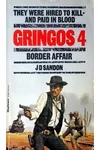
4. Border Affair (1979)
Set along the volatile border between the United States and Mexico, the fourth novel deals with cross-border politics, betrayals, and double-crosses. The Gringos find themselves caught between American authorities trying to shut down the illegal arms trade and Mexican forces desperate for firepower. It is a classic pulp adventure that highlights the unstable nature of mercenary work.
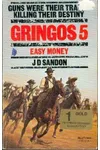
5. Easy Money (1980)
In the fifth book, the Gringos head to the port city of Tampico. What was supposed to be a straightforward assignment turns into a nightmare when they realize a shadowy, relentless killer is tracking them to settle an old score. The team must navigate a series of brutal traps, proving that the ghosts of their pasts are just as deadly as the revolutionary forces in front of them.
6. Mazatlan (1980)
Tasked by a local bandito to rob a bank in the coastal city of Mazatlán, the team faces what might be their most daring heist yet. However, the plan goes awry as they encounter lethal traps, local outlaws, and a vengeful killer who refuses to let them escape. The book highlights the amoral choices the characters must make to survive.
7. One Too Many Mornings (1981)
Taking its title from the melancholy Bob Dylan song, the seventh book focuses heavily on the psychological wear and tear of the characters. As the violence of the revolution grinds on, the camaraderie among the outlaws begins to disintegrate. The tone becomes darker, reflecting the characters' creeping realization that there may be no peaceful escape from the life they have chosen.
8. Wheels of Thunder (1981)
Action takes center stage again in the eighth book, which features train heists, heavy artillery, and brutal firefights. The Gringos are tasked with protecting a vital supply line, leading to a series of high-stakes battles against federal forces. The writing here is highly cinematic, showing Wells's talent for pacing and action choreography.
9. Durango (1982)
As the saga nears its end, the Gringos are pushed to their absolute limits in the state of Durango. Surrounded by enemies and with resources running low, the survival of the team depends on their willingness to trust one another—a difficult ask for a group of hardened outcasts. The stakes are raised, paving the way for the series finale.
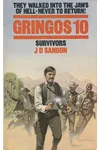
10. Survivors (1982)
The tenth and final book brings the Gringos' journey to a bloody, emotional climax. The survivors of the previous adventures face a final, desperate battle for their freedom and their lives. Harvey and Wells deliver a bittersweet conclusion that stays true to the gritty, uncompromising tone of the series, showing the true cost of violence and the hard-won nature of redemption.
What to Know Before You Start
If you are new to the Gringos series, it helps to understand its origins and stylistic influences. The books were produced during the golden age of the "Piccadilly Cowboys"—a nickname given to a group of British writers in the 1970s and 1980s who churned out violent, action-packed Westerns for the British paperback market. Co-authors John Harvey and Angus Wells were central to this movement, using the J.D. Sandon pseudonym specifically for this series.
The series is heavily inspired by Spaghetti Westerns and the revisionist Western films of the late 1960s, particularly Sam Peckinpah’s The Wild Bunch. Rather than clean-cut heroes riding in to save the day, the protagonists are deeply flawed: Cade Onslow is a vengeful army deserter, Jonas Strong faces intense racial prejudice, Yates McCloud is an unrepentant criminal, and Jamie Durham is a morphine-addicted explosives expert. The series handles themes of addiction, racism, and trauma with a raw, unflinching tone that was ahead of its time for pulp paperbacks.
Spin-offs, Co-authors, and Where to Go Next
There are no direct spin-offs or sequels to the Gringos series, as Survivors provides a definitive end to the saga. However, if you enjoy the raw action and character-driven grit of the series, you can explore other collaborations by John Harvey and Angus Wells. The duo was incredibly prolific and co-authored several other Western series under different shared pseudonyms:
- William S. Brady: Under this pen name, Harvey and Wells wrote the Hawk and Peacemaker series, which deliver a similar style of gritty action.
- J.B. Dancer: This pseudonym was used for The Lawmen series, focusing on the rough-and-tumble world of frontier justice.
- L.J. Coburn: Used for the Caleb Thorn series, which follows a protagonist navigating the aftermath of the Civil War.
Additionally, fans of the series may want to check out John Harvey’s solo work. While he transitioned away from Westerns, he became highly celebrated for his British crime fiction, particularly his acclaimed Charlie Resnick detective series. Angus Wells also carved out a successful solo career, writing popular epic fantasy series such as Raven and the Godwars trilogy.