
The Recommended Reading Path
Unlike many long-running fantasy series where readers must choose between publication order and a convoluted chronological timeline, Guardians of the Flame keeps it simple. The publication order matches the chronological progression of the world perfectly. To experience the story as Joel Rosenberg intended, you should read the ten books in the order they were published.
While the timeline is straightforward, the series undergoes significant shifts in tone, perspective, and main characters. The narrative moves from a tight-knit portal fantasy about college students trying to get home to an epic generational saga about building a new society, and finally to a series of swashbuckling, satirical adventures. Because of these shifts, the series is best understood in three distinct phases.
Phase 1: The Original Adventurers (Books 1–4)
This first phase introduces the core premise: seven college students sitting down for a session of a tabletop role-playing game run by their eccentric professor, Arthur Deighton. Instead of rolling dice, they find themselves magically transported into the bodies of their game characters—complete with martial skills, magical spells, and the physical limitations of their new forms. This era follows their struggle to survive, their realization that they cannot easily return to Earth, and their decision to wage a moral war against the world's deep-seated institution of slavery.
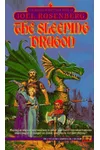
- The Sleeping Dragon (1983): The students wake up in the valley of Pandathaway as their characters. Led by Karl Cullinane (now a massive warrior), they must rescue their captive friends and locate the wizard who can send them home. This book introduces the shock of transitioning from modern 20th-century life into a world with real pain, smells, and lethal threats.
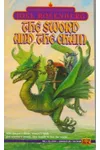
- The Sword and the Chain (1984): Realizing they are stuck, the group decides to use modern ideas and gunpowder to fight the slavers of Pandathaway, establishing a safe haven named "Home." Instead of focusing on finding a way back to Earth, they make the heavy moral decision to combat the slave trade and challenge the powerful Guild of Slavers.
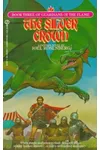
- The Silver Crown (1985): The battle against the Guild of Slavers intensifies. Karl must step up as a military and political leader while dealing with personal losses and the logistical challenges of running a free colony.
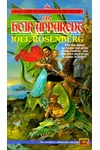
- The Heir Apparent (1987): The initial arc reaches its climax. The society they built is threatened from within and without, culminating in a massive conflict that forces the original cast to make ultimate sacrifices for the survival of their dream of a free world.
Phase 2: The Next Generation and the Expansion (Books 5–7)
Following the events of the fourth book, the series takes a chronological leap forward. The focus shifts away from the original cast to their children, particularly Jason Cullinane (Karl's son). The world has expanded, and the modern innovations introduced by the Earthlings have begun to fundamentally alter the medieval fantasy society. This era explores themes of legacy, the heavy burden of heroic reputations, and the geopolitical consequences of their revolutionary anti-slavery war.
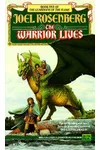
- The Warrior Lives (1988): Jason Cullinane struggles to step out of his legendary father's shadow. Believing that Karl might still be alive, Jason embarks on a quest that forces him to grow into a leader in his own right, dealing with the heavy expectations of a world that expects him to be a hero.
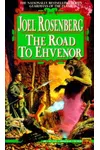
- The Road to Ehvenor (1991): The story moves to the dangerous, magically unstable frontier town of Ehvenor. A new generation of heroes, dwarves, and elves must band together to defend the town against nightmarish creatures.
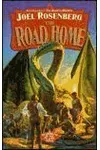
- The Road Home (1995): This novel ties together the threads of the previous books, focusing on the heavy emotional cost of the long conflict, exploration, and the remaining ties to Earth.
Phase 3: Walter Slovotsky's "Not..." Adventures (Books 8–10)
The final phase of the series focuses heavily on Walter Slovotsky, the witty, cynical thief from the original college group. These books adopt a lighter, swashbuckling tone, paying homage to classic adventure literature (such as the works of Alexandre Dumas and Anthony Hope). They are famous among fans for detailing "Slovotsky's Laws"—a series of humorous, pragmatic rules for surviving a dangerous fantasy world.
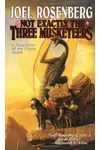
- Not Exactly the Three Musketeers (1999): Walter Slovotsky and a group of companions embark on a rescue mission that parodies classic cloak-and-dagger tales, showing how Walter's wits and experience have kept him alive in a shifting world.
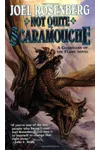
- Not Quite Scaramouche (2001): Walter continues his clever schemes, navigating political intrigue and dangerous duels using his trademark humor, survival instincts, and the famous laws that bear his name.
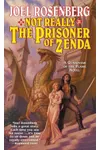
- Not Really the Prisoner of Zenda (2003): The final book published before Rosenberg's passing. It wraps up the swashbuckling trilogy with Walter trying to prevent a continent-wide war through diplomatic deception, identity theft, and clever blade-work.
What to Know Before You Start
Before diving into Joel Rosenberg's world, it is helpful to keep a few key elements in mind:
- Tabletop Roots: The series was heavily inspired by the early days of Dungeons & Dragons. The character archetypes (the fighter, the thief, the cleric, the wizard) are deeply rooted in classic RPG tropes, making it highly nostalgic for gamers.
- Deconstructive Realism: While it begins as a fun portal fantasy, the series quickly shifts into gritty realism. Magic has physical tolls, combat is brutal and lethal, and characters suffer from psychological trauma, infection, and permanent injury. It is a precursor to modern "grimdark" fantasy.
- The Anti-Slavery Crusade: The core conflict of the series is not a typical "defeat the dark lord" plot. Instead, the characters use their modern 20th-century knowledge (including mechanical engineering and chemistry to create gunpowder) to actively fight and dismantle a slave-based economy.
- An Unfinished Legacy: Joel Rosenberg passed away unexpectedly in 2011. While the tenth book, Not Really the Prisoner of Zenda, concludes the Walter Slovotsky sub-trilogy, some overarching plot threads and the grander fate of the world remain unresolved.
Can These Books Be Read Standalone?
Generally, no. The series relies heavily on character development, aging, and generational shifts. Reading the books out of order will spoil major character deaths, political alliances, and technological progress. Start with The Sleeping Dragon and follow the series straight through to the end.