



The Recommended Reading Order
For readers diving into the High Hurdles series, the recommended reading path is simple and direct: follow the chronological publication order. Because the series is a continuous coming-of-age story that tracks the personal, spiritual, and athletic growth of protagonist DJ Randall, reading the books sequentially is essential to understanding the narrative arc. Spanning DJ's life from age thirteen through her high school years, the books feature ongoing storylines involving family dynamics, stepfamily adjustments, and evolving equestrian goals that will be spoiled if read out of order.
High Hurdles Book List in Sequential Order
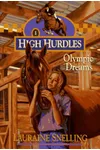
- Olympic Dreams (1995): Thirteen-year-old DJ Randall is determined to do whatever it takes to achieve her dreams of Olympic show jumping. Alongside her best friend Amy, she takes on odd jobs and pony parties to earn money for her first horse, while navigating initial family tensions.
- DJ's Challenge (1995): Just as DJ begins to find her footing, her mother receives a job offer that threatens to move them away. DJ must decide how to handle the challenge of change and keep her equestrian dreams alive.
- Setting the Pace (1996): At the riding school, DJ confronts difficult social dynamics and racism among students. Simultaneously, her mother drops a major bombshell: she plans to remarry, forcing DJ to face a changing home life.
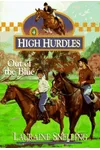
- Out of the Blue (1996): DJ's life is thrown into confusion when the biological father she has never known suddenly reaches out and expresses a desire to be part of her life.
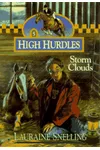
- Storm Clouds (1997): While adjusting to the reality of her mother's upcoming wedding, DJ travels to visit her father's ranch. A severe storm tests her physical endurance and forces her to rely deeply on her faith.
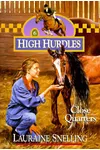
- Close Quarters (1998): Living with her new stepfamily brings fresh challenges. DJ struggles to balance her training at the academy, her schoolwork, and her art projects under one crowded roof.
- Moving Up (1998): As DJ advances in her show-jumping training, the competition grows fiercer. She must learn to manage the pressure of higher stakes without losing sight of her values.
- Letting Go (1999): With horse shows, art classes, and a new greeting card business piling up, DJ becomes overwhelmed. She must learn the spiritual lesson of relinquishing control and trusting God with her future.
- Raising the Bar (1999): DJ faces her most daunting challenge yet. When a devastating fire breaks out in a barn, she risks everything to save the horses, sustaining serious injuries that put her show-jumping future in jeopardy.
- Class Act (2000): In the final book, DJ works through physical recovery and intense emotional fear. With the support of her family, friends, and faith, she tries to find the courage to get back in the saddle.
Understanding the Omnibus Collections
For readers looking to collect the physical or digital copies of the series, publisher Bethany House released the ten books across two omnibus editions. These collections are an excellent, cost-effective way to read the complete story in the correct sequence:
- High Hurdles Collection One: Contains the first five books of the series: Olympic Dreams, DJ's Challenge, Setting the Pace, Out of the Blue, and Storm Clouds.
- High Hurdles Collection Two: Contains the remaining five books: Close Quarters, Moving Up, Letting Go, Raising the Bar, and Class Act.
High Hurdles vs. Golden Filly
Many readers discover Lauraine Snelling's equestrian fiction through her popular Golden Filly series and wonder if there is a connection. While both series share similar themes, are written by the same author, and target young adult horse enthusiasts, they are entirely separate. Golden Filly follows Trish Evanston and the world of racehorses, while High Hurdles focuses on DJ Randall and show jumping. There are no crossovers or shared characters between the two series, but fans of one will find the same wholesome tone and detailed horse knowledge in the other.
What to Know Before You Start
Lauraine Snelling's writing is highly regarded for its authentic depiction of equestrian life. While there are occasional minor errors (such as naming eventing a "long course"), the details regarding show-jumping training, barn chores, and horse behavior are exceptionally realistic. The series is grounded in Christian values, emphasizing prayer, resilience, and faith during hard times, but it handles these themes naturally within the story. The narrative doesn't shy away from real-world teen struggles, including divorce, stepfamilies, and traumatic physical injuries, making DJ's journey relatable and inspiring.
Practical Reader Advice
The best starting point is unquestionably Olympic Dreams. Because of the heavy continuity, trying to read these books as standalones is not recommended, particularly in the latter half of the series where the events of the barn fire and DJ's recovery span Books 9 and 10. For the best experience, secure the two omnibus collections to ensure you have the entire narrative ready to read back-to-back.