










How to Read the Home Front Detective Series
Edward Marston’s Home Front Detective series is a masterclass in historical crime fiction, tracking the Metropolitan Police's efforts to keep the peace in London during the chaos of the First World War. Because the books follow a strict chronological timeline that mirrors the real-world progression of World War I, the recommended way to read them is in publication order. Reading them sequentially allows you to experience the war's evolution alongside the characters, from the initial shock of 1915 to the exhausting final campaigns of 1918.
Home Front Detective Books in Order
Here is the complete list of the Home Front Detective novels in their recommended reading and publication order:
- A Bespoke Murder (2011) – Set in May 1915. Inspector Harvey Marmion and Sergeant Joe Keedy investigate the murder of a German tailor during the anti-German riots triggered by the sinking of the Lusitania.
- An Instrument of Slaughter (2012) – Set in January 1916. The duo confronts the murder of a conscientious objector, exposing deep social divisions and public hostility.
- Five Dead Canaries (2013) – Set in 1916. The detectives look into a deadly explosion at a pub frequented by WWI munitions workers, known as "canaries" because the TNT chemicals stained their skin yellow.
- Deeds of Darkness (2014) – Set in June 1916. Against the backdrop of the devastating Battle of the Somme, Marmion and Keedy hunt for a serial killer targeting women in London.
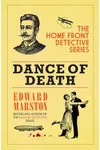
- Dance of Death (2015) – Set in Autumn 1916. The murder of a popular dancer takes place as London suffers from terrifying German Zeppelin raids.
- The Enemy Within (2016) – Set in late 1916. The investigation centers around a high-profile escape from Pentonville Prison and its potential ties to wartime espionage.
- Under Attack (2017) – Set in June 1917. When a German Gotha bomber raid strikes London, the detectives must solve the murder of a woman found dead in the aftermath.
- The Unseen Hand (2019) – Set in the autumn of 1917. Marmion and Keedy navigate a complex web of black-market dealing and betrayal in the city's underbelly.
- Orders to Kill (2021) – Set in December 1917. The team investigates the murder of a bigamist doctor with ties to the Edmonton Military Hospital.
- Danger of Defeat (2023) – Set in February 1918. In the tense weeks leading up to the final German offensives, Keedy faces extreme personal peril when he is seriously injured during a case.
- Spring Offensive (2024) – Set in March 1918. The series reaches a dramatic peak during the historic German Spring Offensive, showing how the escalation on the Western Front ripples through the streets of London.
Chronological Timeline and Historical Caveats
Unlike some historical mystery series that jump around in time, the Home Front Detective series maintains a linear progression. The timeline begins in May 1915—about nine months after the outbreak of World War I—and progresses month by month, year by year, ending with the events of early 1918. Because of this tight continuity, reading the books out of order will spoil major historical milestones, as well as significant developments in the personal lives of the characters.
The Core Characters and Personal Arcs
What makes the series truly resonate is the personal lives of the investigators, which are deeply affected by the war:
- Detective Inspector Harvey Marmion: A seasoned detective who represents the old guard. He constantly worries about his son, Paul, who is serving on the front lines in France.
- Sergeant Joe Keedy: Marmion's younger, dynamic partner. He is engaged to Marmion's daughter, Alice, which adds a warm family dynamic to their working relationship.
- Alice Marmion: Harvey's daughter, who defies traditional expectations by joining the Women's Police Service, showcasing the changing role of women in wartime Britain.
- Paul Marmion: Harvey's son, whose return from the front lines as a wounded soldier brings the psychological toll of trench warfare directly into the Marmion household.
What to Know Before You Start
Before diving into the series, it helps to understand its unique tone. While Marston does not shy away from the tragedies of war—depicting air raids, rationing, PTSD, and the loss of young lives—the tone of the books remains accessible and engaging rather than relentlessly grim. The strong camaraderie between Marmion and Keedy, along with the cozy domestic scenes of the Marmion household, provides a comforting balance to the darker elements of the crimes they investigate. If you enjoy the historical depth of Charles Todd's Ian Rutledge series or Jacqueline Winspear's Maisie Dobbs, the Home Front Detective is a perfect next read.