






How to Start Reading Hopalong Cassidy
If you want to dive into the dusty, high-stakes world of the Bar-20 ranch, you have a classic literary choice to make. The Hopalong Cassidy series, created by Clarence E. Mulford in 1904, does not follow a neat, linear progression. Instead, it is an interconnected tapestry of stories focusing on the cowboys of the Bar-20 ranch. Because of this structure, readers generally debate two primary pathways: starting with the chronological prequel or following the original publication order.
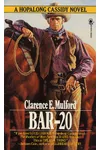
The Recommended Path: Publication Order. For the best reading experience, it is highly recommended to start with the first published book, Bar-20 (1906). This collection of short stories establishes the grit, dry humor, and fiery temper of the original literary Hopalong Cassidy. Reading in publication order allows you to meet the characters as Mulford introduced them, watch the universe expand organically, and see the writing style mature. By the time you reach the prequels and spin-offs, the references to specific characters and ranch hands will carry far more weight.
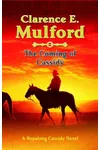
The Chronological Prequel Path. Alternatively, some readers prefer to start with The Coming of Cassidy (1913). Although written and published sixth, this novel acts as a prequel. It details how Buck Peters founded the Bar-20 ranch, how a young Hopalong Cassidy joined the outfit, and the dramatic events that led to Hoppy's trademark leg limp. While it provides excellent background, reading it first can spoil some of the mystery and character growth found in the earlier-published books, which is why most Western aficionados advise saving it for later.
What to Know Before You Start
Before you saddle up, it is crucial to understand that the literary Hopalong Cassidy is a far cry from the character popularized in mid-century media. If you grew up watching William Boyd's films or television show, you might expect a clean-cut, silver-haired hero dressed in black, riding a white horse named Topper, and drinking sarsaparilla. In Mulford's original novels, Hoppy is a rough-talking, hard-drinking, quick-tempered cowboy who swears, spits, and is not afraid to fight dirty. He is a complex, authentic representation of the frontier ranch hand, complete with a limp from a gunshot wound.
Additionally, modern readers should be prepared for the historical context of the early 20th century. Mulford’s text contains period-typical racial slurs, cultural insensitivities, and regional prejudices. Approaching these books as historical time capsules of early Western fiction is key to appreciating their vivid descriptions, technical firearm accuracy, and frontier atmosphere.
The Original Clarence E. Mulford Publication Order
The core Hopalong Cassidy universe consists of 28 novels written by Clarence E. Mulford between 1906 and 1941. It is important to note that this is not a single character's biography; it is a chronicle of the entire Bar-20 ranch. Several books in this sequence do not feature Hopalong Cassidy at all, or only mention him in passing, shifting the spotlight to other loyal cowhands or unrelated frontier figures in the same universe.
- Bar-20 (1906) – The debut collection of stories introducing Hoppy as a quick-drawing, volatile foreman.
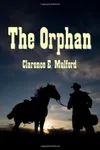
- The Orphan (1908) – A spin-off novel set in the same universe, focusing on a quest for vengeance without Hoppy.
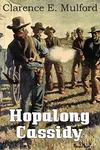
- Hopalong Cassidy (1910) – The definitive early novel featuring Hoppy in a range war against cattle rustlers.
- Bar-20 Days / Hopalong Cassidy's Private War (1911) – Episodic tales of barroom brawls and frontier law enforcement.
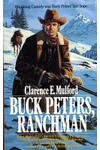
- Buck Peters, Ranchman (1912) – Follows the Bar-20 leader trying to establish a new ranching life.
- The Coming of Cassidy (1913) – A chronological prequel detailing Hoppy's youth and the origin of his limp.
- The Man from Bar-20 (1918) – Focuses on Johnny Nelson on adventures away from the main ranch.
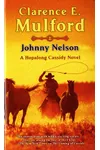
- Johnny Nelson (1920) – A full-length spin-off detailing the exploits of the Bar-20's young gun.
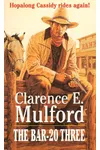
- Bar-20 Three / Hopalong Cassidy Sees Red (1921) – Hoppy and Johnny track down rustlers in a high-stakes investigation.
- Tex (1922) – A spin-off following Tex Ewalt, another classic character from the Bar-20 orbit.
- Bring Me His Ears (1922) – A standalone Western adventure set in Mulford's shared frontier universe.
- H. C. Returns (1923) – Also known as Hopalong Cassidy Returns, where Hoppy comes back to help old friends.
- Black Buttes (1923) – A gritty tale of range disputes and outlaw justice in the badlands.
- Rustler's Valley (1924) – A classic tale of cattle theft, tracking, and ranch-hand camaraderie.
- Cottonwood Gulch (1925) – Explores life, crime, and justice in a gold-mining boomtown.
- Hopalong Cassidy's Saddle Mate (1926) – Hoppy teams up with a partner to solve a local range dispute.
- The Bar-20 Rides Again (1926) – The old crew reunites for one more major campaign to defend their territory.
- Corson of the J.C. (1928) – Focuses on Bob Corson while keeping the familiar Bar-20 atmosphere.
- Mesquite Jenkins (1928) – Focuses on Hoppy's young protégé, Mesquite Jenkins, learning the ropes.
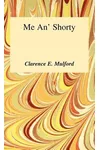
- Me An' Shorty (1929) – A lighter, buddy-style Western adventure following two side characters.
- The Deputy Sheriff (1930) – Details the challenges of bringing law and order to a wild frontier town.
- Hopalong Cassidy and the Eagles Brood (1931) – Hoppy fights to protect a community from a ruthless gang.
- Mesquite Jenkins, Tumbleweed (1932) – Follows Mesquite Jenkins striking out on his own as a drifting cowboy.
- Round-Up (1933) – A large-scale adventure bringing together multiple threads of the Bar-20 franchise.
- Trail Dust (1934) – A classic cattle-drive novel showcasing the grit and dangers of the trail.
- On The Trail Of The Tumbling T (1935) – A mystery involving missing cattle and hidden motives.
- Hopalong Cassidy Takes Cards (1937) – Hoppy uses his wits and guns to clean up a corrupt town.
- Hopalong Cassidy Serves a Writ (1941) – Mulford's final novel, with Hoppy acting as a deputy to track outlaws.
The Louis L'Amour / Tex Burns Revival
In the early 1950s, the multimedia popularity of Hopalong Cassidy skyrocketed due to William Boyd’s television shows. Looking to capitalize on the craze, Doubleday commissioned new novels. Since Clarence Mulford had retired from writing, the publisher hired a young, rising Western author named Louis L'Amour to write under the house pseudonym Tex Burns. L'Amour wrote four action-packed novels that blended Mulford's world with his own trademark fast-paced plotting.
For decades, L'Amour denied writing these books because they were work-for-hire projects that forced him to modify the character to fit the clean-cut movie persona. However, they are now officially recognized as his first published novels. They should be read in their own distinct order after completing Mulford's original books:
- The Rustlers of West Fork (1951) – Hoppy travels to assist an old friend whose ranch is being targeted by dishonest opportunists.
- The Trail to Seven Pines (1951) – A story of stagecoach robberies, ambush, and range-war justice.
- The Riders of High Rock (1951) – Hoppy uncovers a massive cattle-rustling syndicate operating in the mountains.
- Trouble Shooter (1952) – Hoppy is called in to investigate the mysterious murder of a rancher, leading to a final showdown.
Chronological Caveats & Order Disagreements
Because Mulford originally wrote his early Bar-20 stories as short episodic pieces for magazines like The Outing Magazine before compiling and editing them into "fix-up" novels, the timeline of the first few books is somewhat fluid. For instance, events in Bar-20 Days (1911) and Hopalong Cassidy (1910) occur concurrently or out of sequence. Furthermore, the publication dates of these early editions can vary by source due to different serialization and anthology release dates.
Additionally, because books like The Orphan, Bring Me His Ears, and Corson of the J.C. do not feature Hopalong Cassidy, some readers prefer to skip them entirely and only read the "Hoppy-centric" novels. However, doing so means missing out on the detailed world-building and recurring characters that make the Bar-20 universe feel like a living, breathing frontier community.