

The Recommended Reading Path: Stick to Publication Order
When diving into Robert Adams’ sprawling 18-novel post-apocalyptic saga, the absolute best way to experience the world of the Horseclans is in publication order. While the series shifts timelines and perspective characters—jumping between the immortal leader Milo Morai, the charismatic warlord Bili the Axe, and various historical backstories—reading the books as they were originally published provides the smoothest introduction to the setting's mechanics, factions, and telepathic elements.
Because the novels were written as episodic adventures rather than a single, continuous quest, trying to read them in strict chronological order is not recommended for first-time readers. A chronological approach forces you to jump between late-series books that assume you already know the world-building, spoiling key mysteries surrounding the immortal "Undying" and the villainous "Witchmen." By sticking to the publication sequence, you watch Adams build his futuristic medieval landscape naturally, layer by layer.
The Core Narrative Arcs and Subseries
Although the series is sold as a single sequence, it is helpful to understand the main narrative arcs that shape the overall story. The Horseclans saga primarily oscillates between two major focal points, along with standalone historical expansions.
The Milo Morai Arc
Milo Morai is the primary protagonist of the series—an immortal mutant "Undying" who survived the initial nuclear holocaust (the "Great Blow"). He spent centuries searching for others like him before returning to lead the nomadic Horseclans. The books centering on Milo focus on his quest to lead his telepathic clans eastward to their prophesied homeland by the sea, navigating political conspiracies, decadent cities, and ancient high-tech enemies.
The Bili the Axe Arc
Introduced in the third novel, Thoheeks Bili (known as Bili the Axe) is a mortal warrior of brutal charisma who becomes the leader of the Confederation. His books shift the tone toward gritty military fantasy, chronicling massive medieval-style battlefield campaigns, siege warfare, and direct conflicts against mutated beasts, hostile rival kingdoms, and the mind-transferring Witchmen.
Standalone Histories and Backstory Expansion
Later in the series, Adams expanded the universe by diving into the histories of specific regions, animal companions, and secondary characters. These books flesh out the lore, showing how the world fell apart and how the deep telepathic bonds between humans and animals—such as the great prairie cats and horses—originally developed.
The Complete Horseclans Book List in Detail
Here is the complete sequence of the 18 main Horseclans novels in their recommended publication order. These descriptions outline where each book fits in the overall saga to help you navigate your journey:
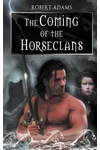
- The Coming of the Horseclans (1975) – The essential starting point. Milo Morai returns to the nomadic Horseclans after a centuries-long search for fellow immortals, leading them toward a prophesied homeland while encountering the sinister Witchmen.
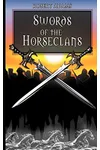
- Swords of the Horseclans (1976) – Follows the ongoing migration of the clans as they clash with the decadent, settled civilizations blocking their path to the sea.
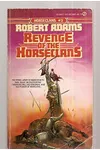
- Revenge of the Horseclans (1977) – Introduces Bili the Axe, a fierce young warrior who rises to prominence and leads the clans in defensive battles against regional oppressors.
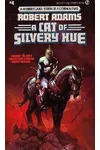
- A Cat of Silvery Hue (1979) – Focuses heavily on the telepathic relationship between the clans and the "cats"—genetically revived, intelligent saber-toothed tigers.
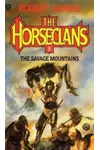
- The Savage Mountains (1980) – Bili the Axe leads his forces into a brutal campaign within the mountainous regions, dealing with hostile terrain and treacherous rival lords.
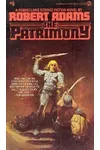
- The Patrimony (1980) – Continues Bili's narrative as he solidifies his power and defends his territory against encroaching kingdoms.
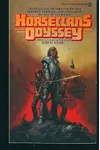
- Horseclans Odyssey (1981) – Shifts focus to a young clansgirl, offering a fresh, ground-level perspective on the nomadic culture and the survival challenges of the Sea of Grass.
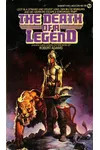
- The Death of a Legend (1981) – A major turning point in Bili's arc. Following a close escape from a Witchmen cataclysm, Bili and his companions must navigate a mutated landscape filled with hostile illusions.
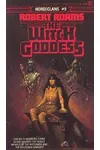
- The Witch Goddess (1982) – Deepens the conflict with the Witchmen, showcasing their manipulative mental powers and high-tech weaponry.
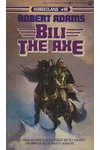
- Bili the Axe (1983) – Fully focuses on Bili's leadership and the heavy toll of war on his followers as the Confederation faces existential threats.
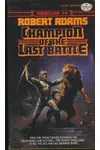
- Champion of the Last Battle (1983) – Concludes many of the major military campaigns surrounding Bili's rise and his standing as a legendary general.
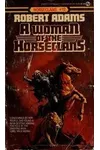
- A Woman of the Horseclans (1983) – Explores the roles, training, and lives of women within the nomadic clans, highlighting their telepathic skills and combat roles.
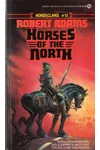
- Horses of the North (1985) – A companion history that explores the origins and characteristics of the telepathic horses that serve as the lifeline of the clans.
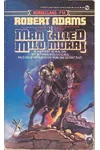
- A Man Called Milo Morai (1986) – Returns to the series' central figure, detailing more of Milo's long life and his struggles to guide humanity.
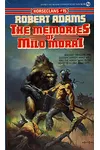
- The Memories of Milo Morai (1986) – A unique installment consisting of Milo's recollections of the world before the nuclear disaster and the early centuries of the post-apocalyptic era.
- Trumpets of War (1987) – An epic war novel detailing a massive coalition of clans and allies uniting to face a common threat.
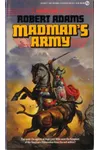
- Madman's Army (1987) – Chronicles the struggle against a delusional, fanatical warlord whose forces threaten to throw the region back into chaos.
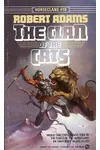
- The Clan of the Cats (1988) – The final novel, detailing the long history, societal structure, and culture of the telepathic saber-toothed cats.
Chronological Caveats and Timeline Jumps
If you choose to read chronologically, be prepared for significant leaps. For example, The Memories of Milo Morai takes place largely in the 20th century before the "Great Blow," while the main narrative of the migration takes place in the 27th century. Other books, like A Woman of the Horseclans and Horses of the North, act as parallel histories that flesh out details occurring alongside the early novels. Because of this, reading chronologically requires constantly flipping back and forth between different eras, which disrupts the narrative flow and ruins the suspense built around the Witchmen’s secrets.
What to Know Before You Start
Robert Adams was a founding member of the Society for Creative Anachronism (SCA) in the American South, and his passion for medieval weaponry, tactics, and equestrianism shines through in every battle scene. The combat is visceral, detailed, and realistic, drawing heavily on his own military background. The setting is a science-fantasy blend: the "magic" is actually telepathy (present in both humans and animals) and the "demons" are mutated creatures or scientists utilizing surviving pre-apocalypse technology.
Readers should be aware that the series is a product of its time. Written during the 1970s and 1980s pulp era, the books feature heavy libertarian political themes, graphic violence, and dated social representations, including elements of misogyny. However, for fans of classic sword-and-sorcery and post-apocalyptic survival, the series' relentless pacing, unique telepathic animal companions, and grand scale make it a cult classic worth exploring.
Shared-World Anthologies and Spin-offs
In addition to the 18 novels, Robert Adams and his wife Pamela Crippen Adams edited two anthologies: Friends of the Horseclans (1987) and Friends of the Horseclans II (1989). These collections feature short stories set in the Horseclans universe written by prominent science fiction and fantasy authors of the era, including Andre Norton, Sharon Green, and Joel Rosenberg. While they offer fascinating world-building expansions, they are entirely optional and do not impact the core narrative of the 18 main novels.