
The Recommended Reading Path for Hugh Collier
For readers looking to dive into the Hugh Collier mysteries, the best path is to read them in publication order. While the books are largely self-contained and can be enjoyed as standalone whodunits, reading them in the order they were published allows you to appreciate the developing partnership between Inspector Collier and the unorthodox private investigator Hermann Gilde, as well as Moray Dalton’s evolving social commentary across the decades.
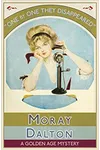
To start your journey, begin with the debut novel, One by One They Disappeared (1928). This tontine-style thriller sets a fantastic foundation for the series' tone, blending eerie suspense with a classic mystery layout. From there, you can follow the publication timeline to experience Collier’s career progression at Scotland Yard, from a young, intuitive detective to a seasoned investigator handling complex wartime crimes.
Publication Order of the Inspector Hugh Collier Books
Moray Dalton (the pen name of Katherine Renoir) wrote fourteen primary mystery novels featuring Inspector Hugh Collier between 1928 and 1951. Modern readers should note that recent editions by Dean Street Press and Spitfire Publishers have sometimes listed newer reprint dates (such as 2020), but the original publication order remains the gold standard for reading. Below is the complete list of Hugh Collier novels in order of their original release:
- One by One They Disappeared (1928)
- The Body in the Road (1930) – Often categorized as a standalone or a Hermann Gilde solo debut, this novel also features Inspector Collier and is crucial to the broader series continuity.
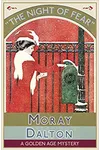
- The Night of Fear (1931)
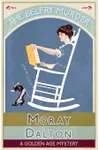
- The Belfry Murder (1933) – Frequently listed with reprint dates like 2020.
- The Harvest of Tares (1933)
- The Belgrave Manor Crime (1935)
- The Mystery of the Kneeling Woman (1936)
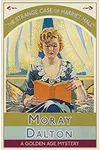
- The Strange Case of Harriet Hall (1936)
- Death in the Dark (1938)
- Death in the Forest (1939)
- The Price of Silence (1939)
- The Art School Murders (1943)
- The Longbridge Murders (1945)
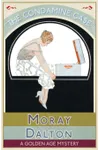
- The Condamine Case (1947) – Often listed with reprint dates like 2020.
- The Case of the Dark Stranger (1948)
- Inquest on Miriam (1949)
Chronological vs. Publication Order Caveats
Unlike some serialized detective fiction where the timeline jumps back and forth, the Hugh Collier books follow a natural chronological progression aligned with their publication dates. As the series progresses, the stories reflect the shifting landscape of mid-twentieth-century Britain, moving from the cozy country estates of the late 1920s and 1930s to the grim, blackout-ridden home front of World War II in The Art School Murders (1943).
Because the overarching narrative continuity is light, you do not need to worry if you read them slightly out of order. Each book presents a complete, self-contained mystery. However, starting with the later books might spoil some character dynamics or the evolution of Collier’s relationship with Gilde.
Major Highlights and Key Novels
For readers who want to focus on the strongest entries in the series, several standout novels showcase Dalton’s signature blend of cozy aesthetics and dark undertones:
One by One They Disappeared (1928)
The series opener remains one of Dalton’s most highly regarded plots. It begins with the survivors of a tragic shipwreck, the Coptic, who are named as beneficiaries in a wealthy man's will. When they begin dying under mysterious and suspicious circumstances, Inspector Collier must unravel a deadly conspiracy before the last survivor vanishes.
The Night of Fear (1931)
Set during a festive but fatal Christmas party at a country manor, this book features an incredibly memorable scene where a blind guest discovers a corpse during a parlor game of hide-and-seek. It highlights Dalton's skill at generating rich, claustrophobic atmosphere.
The Belfry Murder (1933)
An early career case for Inspector Collier involving missing Romanoff jewels. This story highlights Collier’s young ambition and his willingness to trust his investigator's intuition even when it goes against the explicit directives of his Scotland Yard superiors.
The Strange Case of Harriet Hall (1936)
What begins as a young woman’s routine visit to her aunt quickly spirals into a dark murder mystery. Collier must dig deep into a family's history to uncover secrets that characters would kill to keep hidden.
The Art School Murders (1943)
A brilliant wartime mystery set during the London blackouts. When an art school model is murdered, Collier must navigate the chaotic, shadowy atmosphere of wartime England to find the killer, showcasing a darker, more mature tone in Dalton's writing.
What to Know Before You Start
Before diving into the series, readers should be aware of a few unique aspects of Moray Dalton's work. While she writes with the cozy village charm reminiscent of Agatha Christie, she infuses her books with a progressive and sharp social commentary on class hierarchies and gender expectations. Her characters are rarely flat archetypes; they feel like real people navigating a changing world.
Additionally, pay close attention to the character of Hermann Gilde. In many retail catalogs and library databases, his name is misspelled as "Hermann Glide." While he functions as a private inquiry agent with unorthodox methods compared to Collier's rigid police work, the two complement each other beautifully. Gilde's introduction in The Body in the Road and his subsequent team-ups with Collier provide a delightful procedural dynamic that adds an extra layer of depth to the traditional detective formula.