


Where to Start Reading the Humanx Commonwealth
Because the Humanx Commonwealth spans decades of writing and thousands of years of internal galactic history, there is no single "correct" place to start. Instead, readers generally choose between three distinct gateways depending on their interests:
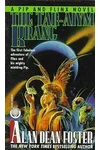
- The Original Entry Point (Recommended): Start with The Tar-Aiym Krang (1972). This was the first book published in the universe and introduces Flinx and his minidrag Pip. Beginning here lets you experience Flinx's growth and the slow unfolding of the universe's secrets exactly as readers did in the 1970s.
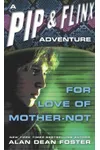
- The Chronological Flinx Start: Start with For Love of Mother-Not (1983). Written as a prequel years after the original trilogy, it details Flinx's early childhood and how he first met Pip on the planet Moth. If you prefer a linear, front-to-back story for Flinx, this is your best bet.
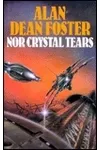
- The Historical Start: Start with Nor Crystal Tears (1982). This standalone novel details the very first contact between humans and the insectoid Thranx. It is widely considered one of the best books in the entire universe and serves as the ultimate historical prequel to the Commonwealth itself.
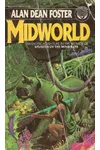
- The Eco-Sci-Fi Standalone: Start with Midworld (1975). If you want to sample Foster's world-building without committing to a massive saga, this lush jungle-world novel is a masterpiece of environmental sci-fi that heavily inspired modern works like James Cameron's Avatar.
Pip & Flinx Reading Order
The Pip & Flinx books form the central narrative spine of the Humanx Commonwealth. Because Alan Dean Foster wrote prequels and retrofitted older standalones into the timeline, the order in which you read them changes the experience.
Pip & Flinx Chronological Order
This is the most popular way to read Flinx's journey, keeping his personal timeline linear:
- For Love of Mother-Not (1983)
- The Tar-Aiym Krang (1972)
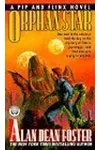
- Orphan Star (1977)
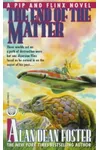
- The End of the Matter (1977)
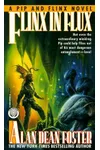
- Flinx in Flux (1988)
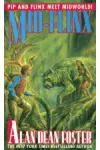
- Mid-Flinx (1995)
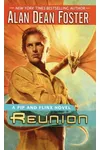
- Reunion (2001)
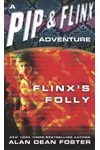
- Flinx's Folly (2002)
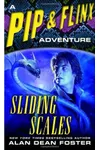
- Sliding Scales (2004)
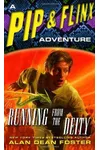
- Running from the Deity (2005)
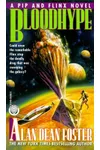
- Bloodhype (1973 - see note below)
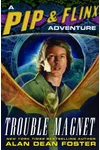
- Trouble Magnet (2006)
- Patrimony (2007)
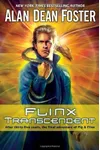
- Flinx Transcendent (2009)
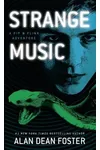
- Strange Music (2018)
The Bloodhype Caveat: Originally written in 1973 as a standalone, Bloodhype features Flinx and Pip only in the last third of the novel. Chronologically it is set late in Flinx's timeline, but reading it out of publication order can feel jarring due to the shift in writing style and Flinx's minor role. Many readers choose to read it second (in publication order) or skip it entirely until after finishing the main series.
Pip & Flinx Publication Order
If you prefer to watch Foster's writing style and the universe evolve naturally, read the series in this order:
- The Tar-Aiym Krang (1972)
- Bloodhype (1973)
- The End of the Matter (1977)
- Orphan Star (1977)
- For Love of Mother-Not (1983)
- Flinx in Flux (1988)
- Mid-Flinx (1995)
- Reunion (2001)
- Flinx's Folly (2002)
- Sliding Scales (2004)
- Running from the Deity (2005)
- Trouble Magnet (2006)
- Patrimony (2007)
- Flinx Transcendent (2009)
- Strange Music (2018)
The Founding of the Commonwealth Trilogy
If you want to understand the political and historical backbone of the setting, this trilogy covers the early steps of the human-Thranx alliance. While written much later, it fits directly after the events of Nor Crystal Tears:
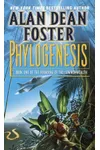
- Phylogenesis (1999)
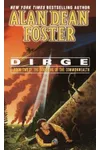
- Dirge (2000)
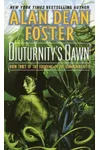
- Diuturnity's Dawn (2002)
The Icerigger Trilogy
This subseries is a beloved survival adventure set on the frozen, wind-swept world of Tran-ky-ky. It follows Ethan Frome Fortune and a group of castaways. While it takes place within the Commonwealth universe, it is entirely self-contained and can be read at any point:
- Icerigger (1974)
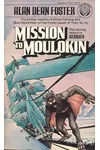
- Mission to Moulokin (1979)
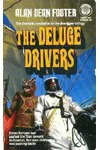
- The Deluge Drivers (1987)
Standalone Commonwealth Novels
Foster's standalone novels are famous for their rich, detailed planetary ecologies. While they can be read in any order, their place on the broader chronological timeline is as follows:
- Nor Crystal Tears (1982)
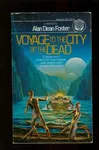
- Voyage to the City of the Dead (1984)
- Midworld (1975)
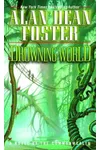
- Drowning World (2003)
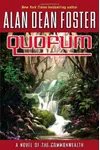
- Quofum (2008)
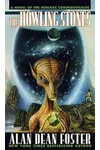
- The Howling Stones (1997)
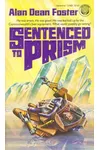
- Sentenced to Prism (1985)
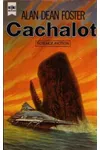
- Cachalot (1980)
What to Know Before You Start
The Humanx Commonwealth is one of science fiction's most optimistic universes. Instead of the xenophobic, war-torn empires common in space opera, Foster envisions a symbiotic partnership between humanity and the bug-like, telepathic Thranx. While they face external threats like the reptilian AAnn, the focus is on discovery, cooperation, and ecological wonder. You don't need to read every single book to understand the universe; feel free to jump between Flinx's adventure, the icy survival of Icerigger, or the lush ecology of Midworld at your leisure.