
The Recommended Reading Order
For the best experience, readers should follow the publication order of the Hyperion Cantos. Because the series features a linear progression of time and a continuous, evolving story across its primary volumes, reading them chronologically is identical to reading them in order of release. Below is the recommended sequence to tackle the series:
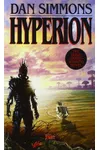
- Hyperion (1989)
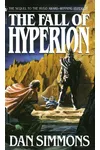
- The Fall of Hyperion (1990)
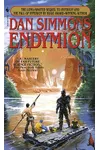
- Endymion (1996)
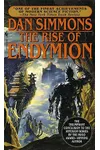
- The Rise of Endymion (1997)
- Orphans of the Helix (1999) (Novella)
Understanding the Series Structure: A Duology of Duologies
While the Hyperion Cantos is often referred to as a four-book series, it is structurally divided into two distinct duologies separated by nearly three centuries of in-universe history. Understanding this division helps manage expectations regarding plot, pacing, and character shifts.
The Hyperion Duology (Books 1 & 2)
The first two books, Hyperion and The Fall of Hyperion, form the core of the saga and are best read as a single, massive novel split in half. Dan Simmons originally conceived them as a single story, which explains why the first book ends on a notorious cliffhanger.
- Hyperion (1989): Set in the 28th century, the Hegemony of Man is on the brink of war. Seven pilgrims are chosen to journey to the planet Hyperion and visit the mysterious Time Tombs, guarded by the metallic, blade-covered entity known as the Shrike. The book uses a frame story structure heavily inspired by Geoffrey Chaucer's The Canterbury Tales, dedicating a chapter to the tragic, complex backstory of each pilgrim.
- The Fall of Hyperion (1990): Shifting away from the frame structure, this book adopts a more traditional narrative style to resolve the pilgrims' arrivals at the Time Tombs and the broader political conflict between the Hegemony, the AI collective known as the TechnoCore, and the post-human Ousters.
The Endymion Duology (Books 3 & 4)
Taking place 274 years after the events of The Fall of Hyperion, the next two books shift the focus to a new set of protagonists and a vastly changed political landscape dominated by the Pax, a powerful theocracy backed by the TechnoCore.
- Endymion (1996): Follows Raul Endymion, a former soldier tasking with protecting Aenea, a messianic child who is the daughter of the first duology's protagonist Brawne Lamia and the John Keats cybrid. They embark on a quest across the galaxy using the long-abandoned Farcaster network.
- The Rise of Endymion (1997): The final full-length novel concludes the story of Raul and Aenea, offering explanations for the mysteries of the Shrike, the TechnoCore's ultimate goals, and the destiny of human consciousness.
The Side Stories and Companion Pieces
Beyond the main novels, Dan Simmons penned three short stories set in the Hyperion universe. They provide background context or follow-up details but are not strictly necessary to enjoy the main narrative.
- "Remembering Siri" (1983): First published in Asimov's Science Fiction, this novelette was actually the seed that grew into the entire Hyperion Cantos. It tells the love story of Siri and Merin Aspic. It is not necessary to seek this out separately, as Simmons incorporated the story almost entirely verbatim into the first novel as "The Consul's Tale." It is also available in the collection Prayers to Broken Stones (1990).
- "The Death of the Centaur" (1990): Included in the collection Prayers to Broken Stones, this story predates the writing of the first novel. It reflects early drafts and "proto-versions" of the lore that Simmons created to entertain his elementary school students before formalizing the series. It serves as an interesting historical artifact for dedicated fans.
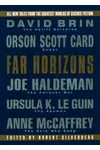
- "Orphans of the Helix" (1999): Published in the anthology Far Horizons (edited by Robert Silverberg), this novella is a true sequel to the main series. Set hundreds of years after The Rise of Endymion, it follows a group of Ouster-descended humans aboard the spiral ship Helix as they encounter a planetary system threatened by a mysterious entity. It is the perfect "cherry on top" for readers who want one last adventure in the universe.
Practical Reader Advice and Where to Start
Here are a few practical tips for navigating the Hyperion Cantos:
- Start with Hyperion: Do not attempt to skip to the Endymion books or read the side stories first. Hyperion is the mandatory entry point.
- Treat Books 1 and 2 as a Single Volume: Because Hyperion ends abruptly without resolving the pilgrims' fates, you should have The Fall of Hyperion ready to read immediately afterward.
- Prepare for a Shift in Tone: Many readers experience whiplash when transitioning from the literary, poetic frame narrative of the first duology to the action-oriented, quest-driven space opera of the second duology. Rest assured that the latter books answer the big questions raised in the first two.
- The Status of "Far Horizons": Some book databases list Far Horizons as the fifth book in the series. Far Horizons is actually a multi-author anthology edited by Robert Silverberg. Dan Simmons' only contribution to it is the novella "Orphans of the Helix."