
The Recommended Reading Order
For the best experience, the five books in the Indian in the Cupboard series should be read in order of their publication. Because the narrative is strictly linear and each sequel directly builds on the events, character growth, and magical rules established in the previous volumes, skipping around will cause major confusion. Conveniently, the publication order is identical to the chronological timeline of the story.
The Five Main Novels in Order
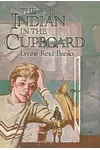
1. The Indian in the Cupboard (1980)
The magic begins when young Omri receives a rather disappointing set of birthday gifts: an old, white metal bathroom cupboard from his brother and a small plastic toy Native American figure from his best friend Patrick. However, when Omri locks the figure inside the cupboard using an antique key, he discovers that the plastic toy has come to life. The figure is actually Little Bear, an 18th-century Iroquois warrior. As Omri feeds and cares for his miniature guest, he is forced to confront the moral and practical implications of having power over another living, breathing human being.
2. The Return of the Indian (1985)
Omri has kept the magical cupboard hidden away, but the memory of his adventures with Little Bear draws him back. When he decides to reopen the cupboard, he discovers that time has passed in Little Bear's era as well. Little Bear is now a chief engaged in a brutal tribal war against French-allied forces in the French and Indian War. Wanting to help, Omri sends modern resources back, but the stakes escalate quickly as plastic weapons, soldiers, and historical battles bring real-world danger right into his bedroom.
3. The Secret of the Indian (1989)
Picking up immediately after the high-stakes climax of the second book, Patrick and Omri find themselves dealing with the severe fallout of their time-meddling. Patrick uses the cupboard to travel back to the 19th-century American Wild West, hoping to see the home of Boone, the toy cowboy they had previously animated. However, the time travel creates unexpected ripples and physical dangers across both centuries, leaving Omri scrambling to bring his friend back and restore the timeline before anyone else notices.
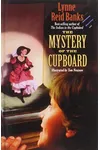
4. The Mystery of the Cupboard (1993)
The fourth book shifts focus to the origin of the magical cupboard. Omri's family moves to a centuries-old farmhouse in Dorset, England, inherited from a distant relative. While exploring the house, Omri discovers a hidden journal written by his great-great-aunt, Jessica Charlotte. Through her writings, Omri pieces together the origins of the cupboard and the special key, learning that she used the magic decades prior with unintended, tragic consequences for her own family. This installment is more introspective, focusing on family secrets and the dangerous temptations of altering history.
5. The Key to the Indian (1998)
In the final installment of the series, Omri's father becomes aware of the cupboard's secret. When Little Bear sends an urgent cry for help because his people face displacement and destruction by British forces in the late 18th century, Omri and his father decide to intervene directly. They attempt to guide Little Bear and his tribe to safety using their knowledge of future history. This emotional conclusion forces the characters to finally make a definitive choice about the cupboard's magic and say a permanent farewell to their miniature friends.
Chronological Order vs. Publication Order
There is no debate or deviation between chronological order and publication order for this series. The books were written and published in a sequential timeline spanning from 1980 to 1998. The plot of each book picks up where the previous one ended, and the characters age naturally over the course of the stories. You should read them exactly in the order they were written: starting with The Indian in the Cupboard and finishing with The Key to the Indian.
Key Characters and the Rules of the Cupboard
Understanding the rules of the cupboard's magic is essential for following the story:
- Omri: The main protagonist, who learns hard lessons about responsibility and paternalism when he realizes the toy figures are real people snatched from their own times.
- Patrick: Omri's impulsive best friend, who often views the magic as a game, leading to dangerous consequences.
- Little Bear: An 18th-century Iroquois warrior who forms a complex, sometimes combative, and eventually deep friendship with Omri.
- Boone: A sensitive 19th-century cowboy from Texas, nicknamed "Boohoo Boone," who is brought to life by Patrick.
- The Rules: Placing any plastic toy inside the cupboard and locking it with the special key brings the toy to life as a real historical figure. Unlocking the cupboard turns them back into plastic. Items placed with the figures—such as food, medical supplies, or weapons—also scale up or down to match their dimensions and times.
What to Know Before You Start
First published in the UK in 1980, The Indian in the Cupboard was widely praised as a modern children's classic. However, modern readers and parents should be aware of ongoing discussions and criticisms regarding cultural representation in the books. Over the years, the series has drawn criticism from Indigenous groups and educators for its portrayal of Native American characters. Critics point to the use of generalized stereotypes, Little Bear's simplified "pidgin" English, and depictions of violence that reflect historical Western movie tropes rather than accurate representation of Iroquois culture. Today, many libraries and schools use the book alongside contemporary, Indigenous-authored literature to teach critical reading and media literacy.
The 1995 Film Adaptation
In 1995, Columbia Pictures released a film adaptation of The Indian in the Cupboard, directed by Frank Oz. The film closely follows the plot of the first book but combines elements to fit a feature-length runtime. The adaptation is notable for its impressive special effects, which successfully brought the miniature figures to life on screen. While it remains a nostalgia favorite for many, it stands as the only cinematic adaptation of the series, as the sequels were never adapted for the screen.