





The Mad Journey: Recommended Reading Order
Cameron Jace's Insanity series (also known by fans as the Mad in Wonderland universe) is a fast-paced urban fantasy and suspense saga. To fully grasp the intricate conspiracies, character transformations, and the thin line between reality and delusion, you must read the books in their original release sequence. The story follows Alice Wonder, a teenager who splits her days between attending Oxford University and her nights confined at the Radcliffe Lunatic Asylum, all while hunting reincarnated fairy tale monsters.
Here is the recommended reading order for the Insanity series:
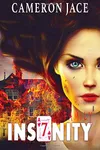
- Insanity (2013)
- Figment (2014)
- Circus (2015)
- Hookah (2015)
- Wonder (2016)
- Checkmate (2016)
- Family (2016)
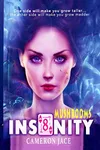
- Mushrooms (2018)
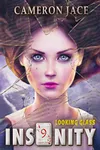
- Looking Glass (2020)
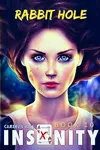
- Rabbit Hole (2023)
Chronological Order vs. Publication Order
For some book sagas, prequels and spin-offs complicate the reading order. Fortunately, the Insanity series is straightforward. The chronological timeline of Alice Wonder's journey mirrors the publication order. There are no external prequel novellas or major chronological jumps that require you to read the books out of order. Starting with the first novel and reading straight through to the tenth book is the most natural and rewarding way to experience the narrative.
Detailed Breakdown of the Books
1. Insanity (2013)
The saga begins with 19-year-old Alice Wonder. Institutionalized in the Radcliffe Lunatic Asylum after a horrific accident that took her classmates' lives, Alice is plagued by visions of Wonderland. When a serial killer calling himself the Cheshire Cat begins terrorizing the public, Alice teams up with the mysterious, hookah-smoking Professor Carter Pillar to stop him and prove she isn't crazy.
2. Figment (2014)
Following the events of the first book, Alice's sanity is questioned more than ever. As she dives deeper into the lore of Lewis Carroll, she discovers that the Wonderland monsters are part of a massive, global conspiracy that has influenced human history for centuries. The chase escalates, taking the characters beyond their local settings.
3. Circus (2015)
In the third installment, Jace expands the surreal landscape of the story. Alice faces new threats that resemble a twisted, nightmarish carnival. This book raises the stakes of the overall plot, showing that the reincarnated Wonderland figures are more organized and dangerous than Alice and Pillar originally anticipated.
4. Hookah (2015)
A deadly plague threatens to wipe out populations, and Alice finds herself in a race against time to locate the cure. With Pillar's motives remaining highly ambiguous, Alice must learn to trust her own instincts, even when her own mind plays tricks on her.
5. Wonder (2016)
This volume focuses heavily on Alice's identity and the mystery of the Six Impossible Keys. Alice travels internationally, tracing the historical origins of Lewis Carroll's writings and trying to find the key to locking away the Wonderland madness permanently.
6. Checkmate (2016)
The chess motifs of Through the Looking-Glass come to the forefront in Checkmate. The conflict between Alice and the reincarnated villains becomes a deadly game of strategy, where one wrong move could cost Alice her freedom and her life.
7. Family (2016)
Originally designed to wrap up the initial story arc, Family delves into the dark secrets of Alice's ancestry. She discovers that her connection to Wonderland is not an accident of birth but a genetic legacy that has bound her family to these monsters for generations.
8. Mushrooms (2018)
After a short hiatus, Jace returned to the universe with Mushrooms. The Wonderland War reaches a boiling point, bringing the mysterious Inklings and the final secrets of the Six Keys into play. Alice must navigate a battlefield where friends and foes look identical.
9. Looking Glass (2020)
Looking Glass explores the themes of mirrors, illusions, and self-reflection. Alice confronts her own double and has to decide what is real in a world constructed out of lies and Carrollian mirrors.
10. Rabbit Hole (2023)
The tenth installment marks a significant shift in the series. The focus moves to a new protagonist, a rookie detective named Alice Black. On her very first assignment, she is tasked with hunting down a vicious serial killer who wears a Cheshire Cat mask and lures his victims into a hallway known as the Rabbit Hall.
What to Know Before You Start: Tone and Setting
Cameron Jace's style is often described by fans as fast-paced, unpredictable, and darker than standard fairytale retellings. Jace blends elements of psychological horror with urban fantasy, meaning readers should expect a fair amount of violence and psychological tension. The setting is also unique: while Alice's asylum is located in the town of Radcliffe, Iowa, her investigations frequently take her to Oxford University, London, and remote global destinations like Russia and Tibet, bridging small-town horror with international mystery.
Crossovers and Interconnected Lore
A common point of confusion among readers is whether they need to read Jace's other major series, The Grimm Diaries, to understand Insanity. The Grimm Diaries is a separate, massive series that reimagines classic fairy tales using the concept of the 'Dreamory' (a device to access the memories and dreams of fairytale figures). While both series share the author's signature dark, deconstructive approach to folklore, there is no direct plot crossover. You can read the Insanity series completely independently without missing any crucial details from The Grimm Diaries.
Practical Reading Advice
Because the Insanity series relies heavily on an overarching mystery, complex conspiracies, and character dynamics that shift over time, it is impossible to read these books as standalones. Skipping books will leave you confused about the lore, Carter Pillar's shifting allegiances, and Alice's mental state. Start with book one and proceed sequentially. The books are widely available as self-published e-books and audiobooks, which are popular among fans of dark fairytale retellings.