





How to Read the Inspector DeKok Series
The Inspector DeKok series (originally featuring the character named De Cock in the Netherlands) is one of Europe's most beloved police procedural franchises. Written by Albert Cornelis "Appie" Baantjer, a former real-life detective inspector with the Amsterdam police, the series offers a gritty, authentic, yet cozy look at crime-solving in the heart of Amsterdam's Red Light District.
Because the novels are highly episodic, formulaic, and focus on individual murder investigations, there is very little overarching plot continuity between books. The core cast of characters, their relationships, and the setting remain largely unchanged. Consequently, readers can read the books in any order without feeling lost. However, there are two primary pathways recommended for English-speaking readers: by English translation order or by the original Dutch chronological order.
Option 1: The English Translation Order (Recommended)
For most readers, the easiest way to experience the series is in the order the books were translated and published in English (predominantly by Speck Press). This order starts with the first book made available to English audiences, which serves as a perfect introduction to DeKbK's world.
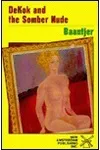
- Start with: DeKok and the Somber Nude. Originally published in Dutch in 1967, it was the first translated release in 1992 and showcases DeKok's classic methodology, his partnership with the younger, hot-headed Dick Vledder, and the local color of Amsterdam's canal streets.
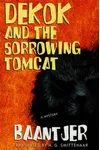
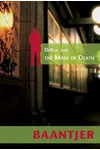
- Followed by: DeKok and the Sorrowing Tomcat, DeKok and the Mask of Death, and the remaining translated works.
Option 2: Original Chronological Publication Order
If you prefer to see how Baantjer's writing style and the characters evolved from the very beginning, you can read the translated books based on their original Dutch release dates. While there are over 70 books in the complete Dutch series, only 30 have been translated into English. Here is the chronological sequence of the 30 translated books based on their original Dutch publication years:
- DeKok and the Corpse on Christmas Eve (Original Dutch: De Cock en het lijk in de kerstnacht, 1965)
- DeKok and the Somber Nude (Original Dutch: De Cock en het sombere naakt, 1967)
- DeKok and the Dead Harlequin (Original Dutch: De Cock en de dode harlekijn, 1967)
- DeKok and the Sorrowing Tomcat (Original Dutch: De Cock en de treurende kater, 1969)
- DeKok and the Disillusioned Corpse (Original Dutch: De Cock en de ontgoochelde dode, 1970)
- DeKok and the Careful Killer (Original Dutch: De Cock en de zorgvuldige moordenaar, 1971)
- DeKok and the Romantic Murder (Original Dutch: De Cock en de romance in moord, 1972)
- DeKok and the Dying Stroller (Original Dutch: De Cock en de stervende wandelaar, 1972)
- DeKok and the Corpse at the Church Wall (Original Dutch: De Cock en het lijk aan de kerkmuur, 1973)
- DeKok and the Dancing Death (Original Dutch: De Cock en de dansende dood, 1974)
- DeKok and the Corpse Return (Original Dutch: De Cock en het lijk op retour, 1977)
- DeKok and the Naked Lady (Original Dutch: De Cock en de naakte juffer, 1978)
- DeKok and the Brothers of the Easy Death (Original Dutch: De Cock en de broeders van de zachte dood, 1979)
- DeKok and the Deadly Accord (Original Dutch: De Cock en het dodelijk akkoord, 1980)
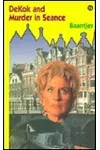
- DeKok and Murder in Seance (Original Dutch: De Cock en de moord in seance, 1981)
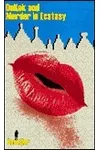
- DeKok and Murder in Ecstasy (Original Dutch: De Cock en de moord in extase, 1982)
- DeKok and the Begging Death (Original Dutch: De Cock en de smekende dood, 1982)
- DeKok and the Geese of Death (Original Dutch: De Cock en de ganzen van de dood, 1983)
- DeKok and Murder by Melody (Original Dutch: De Cock en moord op melodie, 1983)
- DeKok and the Death of a Clown (Original Dutch: De Cock en de dood van een clown, 1984)
- DeKok and Variations on Murder (Original Dutch: De Cock en een variant op moord, 1984)
- DeKok and the Murder in Bronze (Original Dutch: De Cock en moord in brons, 1984)
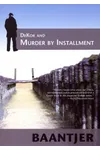
- DeKok and Murder by Installment (Original Dutch: De Cock en moord op afbetaling, 1985)
- DeKok and Murder on Blood Mountain (Original Dutch: De Cock en moord op de Bloedberg, 1985)
- DeKok and the Dead Lovers (Original Dutch: De Cock en de dode minnaars, 1986)
- DeKok and the Deadly Warning (Original Dutch: De Cock en een dodelijke dreiging, 1987)
- DeKok and the Mask of Death (Original Dutch: De Cock en het masker van de dood, 1987)
- DeKok and the Murder in First Class (Original Dutch: De Cock en moord eerste klasse, 1989)
- DeKok and the Vendetta (Original Dutch: De Cock en de bloedwraak, 1989)
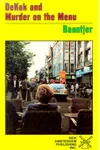
- DeKok and Murder on the Menu (Original Dutch: De Cock en moord à la carte, 1990)
What to Know Before You Start
To fully appreciate the world of Inspector DeKok, it helps to understand a few details about the author's translation choices, the character's signature quirks, and the distinct Dutch setting.
De Cock vs. DeKok
In the original Dutch novels, the main character is named Jurre de Cock. A running gag throughout the Dutch books involves the inspector introducing himself: "De Cock, met cee-oo-cee-ka" (De Cock, with a C-O-C-K). Because this phrasing could lead to unintended phonetic humor for English speakers, the translator H.G. Smittenaar and Speck Press elected to change the spelling of his name to DeKok in the English editions. The joke was adapted accordingly to reference the spelling with a "K."
The Setting and Atmosphere
All books are set in Amsterdam, primarily centered around the Warmoesstraat police station near the Red Light District. Baantjer drafted these stories drawing directly from his decades of real-world police experience in this exact precinct. As a result, the descriptions of the canals, alleys, and local subcultures feel remarkably vivid and historically grounded. Despite the dark crimes investigated, the books maintain a "cozy procedural" tone, emphasizing DeKok's compassionate approach to justice and his desire to understand the human motives behind crime rather than just punishing the guilty.
The Recurring Rituals
One of the elements that keeps readers coming back to the series is its predictable, satisfying structure. In almost every book, you will find these elements:
- DeKok's friction with his superior, Chief Commissioner Kleijn (equivalent to Chef Buitendam in the television adaptation), which usually ends with DeKok being dismissed from his office.
- A trip to Smalle Lowietje (Little Lowie's) bar in the Red Light District, where DeKok drinks cognac and chats with the friendly bartender to gather underworld intelligence.
- DeKok's uncanny ability to pick locks using a bent paperclip—a trick he claims he learned from a reformed burglar.
- A closing scene set in DeKok's home, where his supportive wife Hendrikje serves coffee and cognac while DeKok explains the resolution of the mystery to his assistant Dick Vledder.
Spin-Offs, Adaptations, and Continuation
The success of the books led to a massive Dutch television series titled Baantjer, which ran from 1995 to 2006. Starring Piet Römer as De Cock and Victor Reinier as Vledder, the show remains a classic of Dutch television. In 2019, a gritty prequel film and television series called Amsterdam Vice (originally Baantjer: Het Begin) was released, featuring a younger De Cock at the start of his career in the turbulent 1980s.
Following A.C. Baantjer's death in 2010, the literary series was officially continued by Dutch author Peter Römer. While Römer has written dozens of new De Cock adventures in Dutch (some based on original television screenplays), none of these newer entries have been translated into English. For English readers, the series remains represented by the 30 classic translations written by Baantjer himself.