






The Recommended Reading Path
For the best reading experience, it is highly recommended to read the Inspector Henry Tibbett series in publication order. While each mystery functions perfectly well as a standalone case, the personal lives of Henry and his wife, Emmy, develop gradually throughout the series. Reading in order allows you to appreciate their domestic life, Henry's career progression at Scotland Yard, and their recurring friendships.
If you prefer to sample the absolute highlights before committing to the full series, here are the three best entry points recommended by long-time fans:
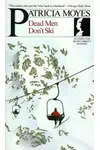
- The Classic Start: Dead Men Don't Ski (1959). This is the novel that introduced the Tibbetts to the world, establishing their relationship dynamic, Henry's unassuming investigative genius, and Patricia Moyes' signature style of blending classic fair-play puzzles with vivid, atmospheric locations.
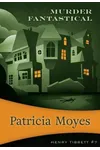
- The Village Mystery: Murder Fantastical (1967). Widely regarded as one of Moyes' most charming books, this story features an eccentric family in an English village and showcases Henry’s ability to unravel complicated domestic secrets with empathy and wit.
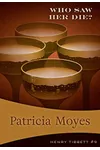
- The Award Nominee: Who Saw Her Die? (1970). Nominated for the Edgar Allan Poe Award for Best Novel (under its US title, Many Deadly Returns), this book is a tightly plotted, high-stakes investigation centering on a wealthy family reunion gone wrong.
Publication Order of Inspector Henry Tibbett Mystery Books
Here is the complete list of all nineteen Inspector Henry Tibbett novels in their original order of publication, along with alternative titles that readers may encounter on different sides of the Atlantic:
- Dead Men Don't Ski (1959)
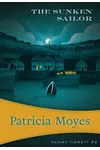
- The Sunken Sailor (1961) – Also published as Down Among the Dead Men
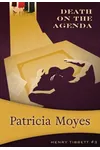
- Death on the Agenda (1962)
- Murder à la Mode (1963)
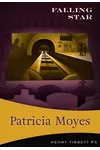
- Falling Star (1964)
- Johnny Underground (1965)
- Murder Fantastical (1967) – Also published as Murder By Threes
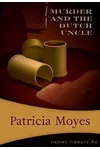
- Death and the Dutch Uncle (1968)
- Who Saw Her Die? (1970) – Also published as Many Deadly Returns
- Season of Snows and Sins (1971)
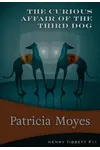
- The Curious Affair of the Third Dog (1973)
- Black Widower (1975)
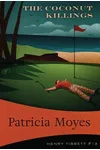
- To Kill a Coconut (1977) – Also published as The Coconut Killings
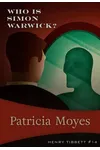
- Who Is Simon Warwick? (1978)
- Angel Death (1980)
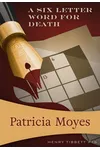
- A Six-Letter Word for Death (1983)
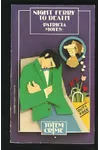
- Night Ferry to Death (1985)
- Black Girl, White Girl (1989)
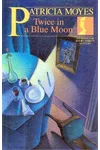
- Twice in a Blue Moon (1993)
Chronological Order & Continuity Caveats
Unlike some detective series where novels are published out of chronological sequence, Patricia Moyes wrote the Tibbett mysteries in a linear fashion. The internal timeline of the books matches their publication sequence. Henry begins the series as a seasoned Inspector at Scotland Yard and gradually rises in seniority. Additionally, the settings reflect the decades in which they were written, transitioning smoothly from the late 1950s through to the early 1990s.
Because the chronological order aligns perfectly with the publication order, there are no complex timeline shifts to worry about. The only minor caveat for readers is the occasional change in titles between UK and US publishers (such as To Kill a Coconut being released as The Coconut Killings). Keeping track of these alternate titles prevents inadvertently purchasing or reading the same book twice under different names.
The Core Elements of a Tibbett Mystery
What sets the Inspector Henry Tibbett series apart from other police procedurals is the brilliant balance of elements Patricia Moyes brought to her writing. Before starting your reading journey, here is what you should expect:
The Understated Detective
Inspector Henry Tibbett is intentionally designed as an antidote to the dramatic, eccentric, or tortured detectives common in crime fiction. He is a mild-mannered, quiet, and thoroughly decent man. However, his unassuming exterior hides a razor-sharp intellect and a legendary "nose" for crime—an intuitive sense that tells him when something is amiss, even when a death appears to be an accident.
Emmy: The Perfect Partner
Emmy Tibbett is far from a passive bystander. Throughout the series, she serves as Henry's sounding board, confidante, and occasionally his undercover assistant. Her practical common sense, warm personality, and social grace frequently help Henry extract information from suspects who might otherwise remain guarded around a Scotland Yard official. Their loving, stable marriage provides a comforting domestic anchor for the series.
Vivid and Exotic Settings
Patricia Moyes drew heavily on her own worldly experiences to create the backdrops for her mysteries. The Tibbetts are avid travelers, meaning their cases take them far beyond the streets of London. Readers are treated to beautifully detailed descriptions of ski slopes in the Italian Alps (Dead Men Don't Ski), international conferences in Geneva (Death on the Agenda), the high-fashion publishing world of London (Murder à la Mode), and various sunny locales in the Caribbean (such as the fictional island of Tampica in Black Widower and To Kill a Coconut).
Spin-offs, Tie-ins, and Standalone Works
The Inspector Henry Tibbett series represents the core of Patricia Moyes' mystery writing. There are no official spin-off series featuring secondary characters. Moyes did, however, write a handful of standalone works, short stories, and children's books that exist outside the Tibbett universe, including her collections Crossed Keys (1996) and Innocents Abroad (1998).
For fans who finish the nineteen Tibbett novels and crave a similar atmosphere, Moyes' standalone mysteries offer the same witty dialogue and intricate plotting, even without Henry and Emmy at the helm.