
The Recommended Reading Order for Inspector Lamb
Since the Inspector Lamb series by Stephen Kelly follows a strict chronological progression through the early years of World War II, the best way to read these books is in publication order. The narrative arc builds on DCI Thomas Lamb’s personal journey, his daughter Vera’s growing role in his life and investigations, and the escalating tension of wartime Britain.
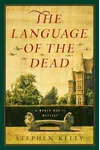
1. The Language of the Dead (2015)
Set in July 1940, the debut novel introduces us to Detective Chief Inspector Thomas Lamb in the quiet Hampshire village of Quimby. The backdrop is highly atmospheric: the threat of a German invasion looms, Spitfire planes roar overhead from a nearby factory, and locals endure blackouts and rationing. The peace is shattered when William Blackwell, an elderly loner rumored to have dealt with the devil, is found brutally murdered—impaled with a pitchfork and carved with ritualistic markings. As Lamb digs into village gossip and occult rumors, more murders follow. This book sets the tone for the series, introducing Lamb's struggles with his memories of World War I and his protective relationship with his daughter, Vera.
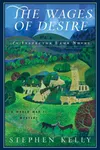
2. The Wages of Desire (2016)
The second installment moves the timeline forward to the late summer of 1941 in the village of Winstead. The war is dragging on, and conscripted workers are building a nearby prisoner-of-war camp. When Ruth Aisquith, a young woman working at the camp construction site, is shot dead in the church cemetery, Lamb is called to investigate. The case becomes deeply complicated when construction workers unearth the skeletal remains of a child in the foundation of an old farmhouse, and a local vagrant is found dead. Lamb must connect these contemporary wartime crimes to a tragic family suicide that occurred in the village over twenty years earlier.
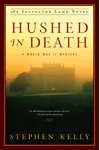
3. Hushed in Death (2018)
Set in the spring of 1942, the third novel takes place in the rural community of Marbury. The central location is Elton House, a grand estate converted into a rehabilitation hospital for officers suffering from shell shock (trauma) from the front lines. The murder of the estate's gardener, Joseph Lee, exposes a web of village rivalries and long-held grudges. Lamb's daughter Vera actively assists in checking records and gathering clues. To catch the killer, Lamb must delve into the history of Elton House, which is haunted by a strikingly similar murder that took place a generation earlier during the Great War.
Publication Order vs. Chronological Order
For the Inspector Lamb series, publication order and chronological order are identical. Stephen Kelly structured the series to move year-by-year through the war:
- Book 1: July 1940 (Battle of Britain era)
- Book 2: Late Summer 1941 (Introduction of POW camps and prolonged conflict)
- Book 3: Spring 1942 (Focus on military trauma and rehabilitation)
Because there are only three novels and their historical settings progress sequentially, reading them out of order is not recommended. Doing so would spoil the gradual development of Thomas Lamb's mental health recovery and the changing dynamics of his household.
What to Know Before You Start
Stephen Kelly, a former journalist for The Baltimore Sun and The Washington Post, brings a meticulous eye for historical detail to the series. Rather than focusing on battlefields, the books explore the home front: how ordinary people in small English villages coped with the psychological wear-and-tear of war. DCI Thomas Lamb himself is a veteran of the trenches of World War I, and his struggle with what we now call PTSD (then referred to as shell shock or trench nightmares) forms a major emotional core of the series.
The series is heavily inspired by Golden Age detective fiction. If you enjoy the village mysteries of Agatha Christie, the wartime atmosphere of the television series Foyle’s War, or the character-driven historical depth of Charles Todd's Ian Rutledge mysteries, you will find Inspector Lamb to be a perfect match.
Is the Series Complete?
As of 2026, the series remains a trilogy. Stephen Kelly has not published a fourth volume, and the three existing books form a complete, satisfying arc of the early war years. There are no associated short stories, spin-offs, or co-authored books, making it a very straightforward and accessible series to read from start to finish.