

Recommended Inspector Matt Minogue Reading Order
The Inspector Matt Minogue series by John Brady is best read in order of publication. Because the series timeline progresses chronologically alongside the real-world history of Ireland, reading the books in sequence allows you to experience both Matt Minogue’s personal development and the dramatic socioeconomic changes in Dublin from the late 1980s through the 2000s.
Here is the recommended reading path for the Inspector Matt Minogue novels:
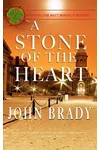
- A Stone of the Heart (1988)
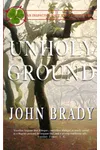
- Unholy Ground (1989)
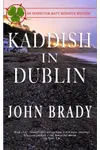
- Kaddish in Dublin (1990)
- All Souls (1993)
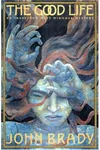
- The Good Life (1994)
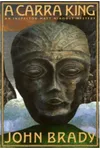
- A Carra King (2000)
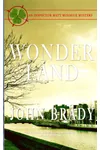
- Wonderland (2002)
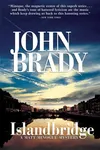
- Islandbridge (2005)
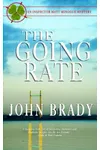
- The Going Rate (2008)
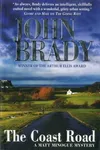
- The Coast Road (2009)
Why the Order Matters: Navigating Ireland's Evolution
Unlike some crime series where the protagonist remains frozen in time, the Matt Minogue books serve as a historical mirror to Ireland. When the series begins with A Stone of the Heart in 1988, Dublin is gripped by economic recession, high emigration, and the dark shadow of the Troubles. Minogue, a detective with the Garda Síochána's Murder Squad who hails from rural County Clare, brings a unique perspective to these urban crimes, balancing his rural heritage with city-slick detective work.
As you progress through the middle novels, such as A Carra King and Wonderland, you witness the sudden influx of wealth and greed during the "Celtic Tiger" economic boom. The crimes shift from politically motivated murders and old-world secrets to gangland violence, drug trafficking, and institutional corruption. Watching Minogue navigate this shifting landscape—feeling increasingly alienated by the new, flashy Ireland while staying true to his moral compass—is one of the most rewarding aspects of reading the series in sequence.
The Best Starting Point
You should absolutely start with the first novel, A Stone of the Heart. Not only did it win the Arthur Ellis Award for Best First Novel in 1989, but it also establishes Minogue's domestic life, his relationship with his wife and children, and his signature style of detective work. Minogue is a deeply introspective investigator—often quoting W.B. Yeats and pondering the human condition—and understanding his personal background is essential for appreciating how he handles later, more cynical cases.
While each book features a self-contained murder mystery that is fully resolved by the final page, the subplots involving Minogue’s family and his colleagues on the force build upon one another. Reading them out of order won't ruin the mystery, but it will spoil the long-term character arcs.
Spin-Offs and Companion Novels
If you finish the ten main novels and are looking for more of John Brady’s gritty Irish crime fiction, there is a key companion work to check out:
- Crash (2018): This standalone novel stars Detective Sergeant Tommy Malone, who works for the Garda Traffic Bureau. Fans of the main series will immediately recognize Malone, as he is a volatile, hard-nosed colleague who partners with Matt Minogue in several of the main novels. Crash shifts the focus entirely to Malone as he investigates a suspicious fatal car crash, offering a rougher, faster-paced narrative style.
- Poacher's Road (2006): Although also written by John Brady, this book is not set in Ireland and does not feature Minogue. Instead, it follows Inspector Felix Kimmel and is set in rural Austria. It is a standalone mystery that appeals to fans of Brady’s atmospheric writing but does not connect to the Dublin universe.
What to Know Before You Start
Before you dive in, it helps to set your expectations regarding the tone and style of the series. John Brady does not write fast-paced, action-heavy thrillers. Instead, these are literary police procedurals. The prose is atmospheric, detailed, and deeply invested in the setting. Dublin is as much a character as Minogue himself, with Brady capturing everything from the smoky atmosphere of traditional pubs to the cold corporate glass of the Celtic Tiger era.
Additionally, the dialogue is written with authentic Irish cadence and colloquialisms. If you aren't familiar with Irish slang or Garda terminology, it might take a chapter or two to find your rhythm, but it adds an unmatched level of realism and immersion to the stories.