
Where to Start Reading J.B. Collins
Because the J.B. Collins series is a tightly woven, highly serialized trilogy, there is only one logical starting point: the first book, The Third Target. Unlike many thriller series where each novel functions as a standalone adventure with a self-contained conflict, the J.B. Collins saga is a continuous, chronological narrative. Reading these books out of order is not recommended, as each installment picks up immediately after the events of the previous book, and later entries contain major spoilers for the plot twists that came before.
J.B. Collins Books in Order of Publication
The trilogy was published over a two-year span, and the chronological timeline of the story matches the order of publication. Here is the list of J.B. Collins books in their correct reading order:
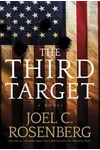
- The Third Target (2015): The series kicks off with New York Times foreign correspondent J.B. Collins chasing rumors that ISIS has captured chemical weapons in Syria. Collins must race against time to break the story and warn global leaders of a looming catastrophe.
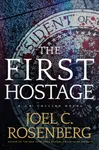
- The First Hostage (2015): Picking up right where the first book's cliffhanger ends, this novel escalates the danger as a major terrorist strike leads to the capture of the President of the United States. Collins finds himself navigating hostile territory to uncover the truth while attempting to clear his own name.
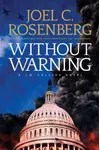
- Without Warning (2017): The final chapter of the trilogy brings the fight directly to the American homeland. With ISIS leader Abu Khalif planning a devastating strike, Collins is caught in a high-octane battle to stop the final threat.
For readers who want the entire experience in one place, Tyndale House Publishers also released The J.B. Collins Collection (2017), an omnibus edition that bundles all three novels into a single volume.
Chronological Continuity & Key Caveats
Since the story unfolds over a continuous, short timeline, the chronological order is identical to the publication order. There are no prequels, side stories, or short companion novellas to worry about. The trilogy behaves more like a single 1,200-page novel divided into three parts, meaning you should treat the transition from book to book as moving between chapters.
What to Know Before You Start
A Journalist as a Protagonist
In the political thriller genre, main characters are typically CIA operatives, Special Forces veterans, or seasoned espionage agents. J.B. Collins breaks this mold by being a foreign correspondent for the New York Times. While he occasionally displays combat-ready survival skills that stretch journalistic realism, his primary tools are investigation, interviews, and his drive to expose the truth. This provides a fresh perspective on the ground during geopolitical conflicts.
Real-World Geopolitical Realism
Author Joel C. Rosenberg draws heavily on his background in political consulting and his residency in Israel to craft his novels. The J.B. Collins series was written at the height of ISIS's real-world activities in the Middle East. Rosenberg's deep familiarity with regional politics, diplomacy, and military intelligence gives the series an authentic, "ripped-from-the-headlines" feel, and fans have often noted the books' eerily predictive nature regarding real-world events.
Spiritual and Moral Themes
As a prominent evangelical Christian author, Rosenberg integrates faith, moral courage, and spiritual struggles into his narratives. Rather than being overly preachy, these elements are woven into J.B. Collins's personal struggles with loss, duty, and finding hope amidst devastating global chaos.
No Cross-Series Overlaps
While Rosenberg has created other popular characters like Secret Service agent Marcus Ryker or Jon Bennett, his series operate in separate lanes. There are no character crossovers or major narrative links between the J.B. Collins trilogy and Rosenberg's other works. You can dive into this series without needing to read any of his other books first.