
The Recommended Reading Paths for Jeeves
P.G. Wodehouse's Jeeves and Wooster stories are legendary for their sparkling dialogue, intricate farce, and sheer escapism. Because these works were written over a span of nearly sixty years, there is no single, strictly linear story arc. Instead, you have two primary, highly rewarding ways to dive into the series.
Option 1: The Short Story Route (The Classic Entry Point)
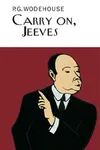
If you want to experience the characters as they evolved naturally and meet them as Wodehouse intended, starting with the short stories is highly recommended. The absolute best starting point is Carry On, Jeeves (1925). Although it is the third collection published, it contains "Jeeves Takes Charge," the story that details the very first meeting between Bertie Wooster and Jeeves. It also gathers rewritten versions of Wodehouse's earliest Jeeves pieces, providing a perfect introduction to their relationship, Bertie's overbearing aunts, and the Drones Club lifestyle.
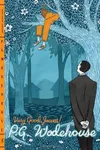
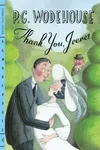
After finishing Carry On, Jeeves, you should read Very Good, Jeeves! (1930) to complete the primary short-story era, and then proceed directly into the full-length novels starting with Thank You, Jeeves (1934).
Option 2: The Novel-First Route
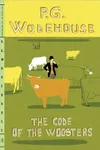
If you prefer diving straight into sustained, book-length narrative chaos, you can start directly with the novels. The recommended entry point here is The Code of the Woosters (1938). While it is the third novel in publication order, it is widely considered Wodehouse's comedic masterpiece. It introduces the iconic conflict over Sir Watkyn Bassett's silver cow-creamer, the terrifying amateur dictator Roderick Spode, and the idyllic yet chaotic setting of Totleigh Towers. Starting here gives you the peak Wodehouse experience immediately, and the book provides enough context that you won't feel lost.
Publication Order of the Jeeves & Wooster Books
Following the books by their original publication dates is the safest and most popular way to read the series. It allows you to watch Wodehouse refine his prose style and gradually expand the recurring cast of characters. Here is the publication order of the primary Jeeves volumes:
- My Man Jeeves (1919) – A collection of eight short stories, though only four feature Jeeves and Bertie. The other four feature Reggie Pepper, a proto-Bertie character.
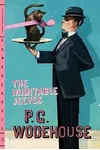
- The Inimitable Jeeves (1923) – A collection of short stories structured to read almost like a episodic novel, focusing on the romantic misadventures of Bertie's friend Bingo Little.
- Carry On, Jeeves (1925) – A crucial collection containing "Jeeves Takes Charge" (their first meeting) and other fundamental early stories.
- Very Good, Jeeves! (1930) – The final major collection of short stories before Wodehouse transitioned to full-length novels.
- Thank You, Jeeves (1934) – The first full-length Jeeves novel, featuring a temporary rift between the duo over Bertie's devotion to playing the banjolele.
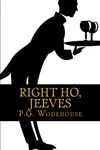
- Right Ho, Jeeves (1934) – Published in the US as Brinkley Manor, this novel sees Bertie attempting to manage romantic troubles without Jeeves's counsel, with disastrous results.
- The Code of the Woosters (1938) – The legendary farce involving Aunt Dahlia, Sir Watkyn Bassett, Totleigh Towers, and a silver cow-creamer.
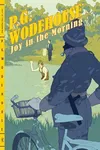
- Joy in the Morning (1947) – Also published as Jeeves in the Morning, written during WWII and featuring Bertie trying to help his Uncle Percy in Steeple Bumpleigh.
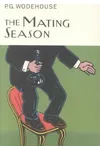
- The Mating Season (1949) – A fast-paced romp featuring a heavy cast of Drones Club members, impersonations, and rural theatricals.
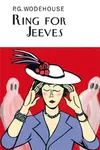
- Ring for Jeeves (1953) – Also published as The Return of Jeeves, this is the only novel where Bertie Wooster does not appear.
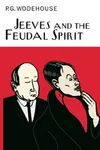
- Jeeves and the Feudal Spirit (1954) – Bertie gets caught in a dispute involving Aunt Dahlia's magazine, a pearl necklace, and a mustache Jeeves dislikes.
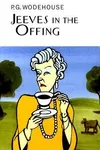
- Jeeves in the Offing (1960) – Published in the US as How Right You Are, Jeeves, set at Aunt Dahlia's estate, Brinkley Court.
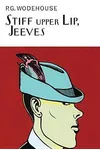
- Stiff Upper Lip, Jeeves (1963) – A return to Totleigh Towers and the complex love lives of Gussie Fink-Nottle, Madeline Bassett, and Harold "Stinker" Pinker.
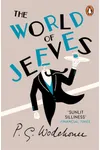
- The World of Jeeves (1967) – A comprehensive anthology containing all of Wodehouse's short stories featuring the duo. Highly useful for readers who want everything in one place.
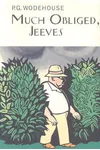
- Much Obliged, Jeeves (1971) – Published in the US as Jeeves and the Tie That Binds, centering on a local election and the Ganymede Club's book of members' secrets.
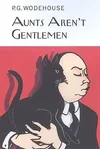
- Aunts Aren't Gentlemen (1974) – Published in the US as The Cat-Nappers, this was Wodehouse's final completed novel before his death in 1975.
Chronological Order and the Timeline Paradox
If you attempt to construct a strict chronological timeline for Jeeves and Bertie, you will run into several continuity paradoxes. Wodehouse wrote these stories over sixty years, yet the characters never age. Bertie remains a wealthy, unmarried young man-about-town in his late twenties or early thirties, and Jeeves remains his middle-aged, all-knowing valet. The setting shifts fluidly from the late Edwardian era of the 1910s to the post-war 1970s without the characters ever growing older.
Furthermore, their first chronological meeting in "Jeeves Takes Charge" was published in 1916 (and collected in 1925's Carry On, Jeeves), long after several stories where they were already established partners had appeared in magazines. Because of these floating timelines and minor inconsistencies, readers are strongly advised not to obsess over chronological order. The internal chronology of the novels from Thank You, Jeeves onwards generally follows their publication order, as characters occasionally reference past disasters like the events at Totleigh Towers or Brinkley Court.
Key Continuity Milestones & Anomalies
While the books are mostly standalone comedies, a few notable milestones and anomalies stand out in the series:
The Reggie Pepper Transition
In the earliest collection, My Man Jeeves (1919), only half of the stories feature Jeeves. The remaining four stories focus on Reggie Pepper. Because Reggie's personality was so similar to Bertie Wooster's, Wodehouse later rewrote several of these stories to replace Reggie with Bertie and add Jeeves, publishing the revised versions in Carry On, Jeeves (1925). Consequently, modern readers can safely skip My Man Jeeves if they plan to read Carry On, Jeeves, as they will get the superior, revised versions of those plots.
The Ring for Jeeves Anomaly
The 1953 novel Ring for Jeeves is a major outlier. Bertie Wooster is completely absent from the narrative. The in-universe explanation is that Bertie, fearing a post-war social revolution, has enrolled in a school designed to teach the idle rich how to fend for themselves (learning to cook, darn socks, and clean boots). Because the school bans personal servants, Jeeves is temporarily loaned out to serve as a butler for Bertie's cash-strapped friend, Bill Belfry, the 9th Earl of Rowcester. This book is actually adapted from a play Wodehouse co-wrote, which explains the different cast and the shift in focus.
The Authorized Continuation Novels
Decades after P.G. Wodehouse's death, his estate authorized new novels to carry on the characters' legacies. These are not written by Wodehouse but are highly regarded homages that fit neatly at the end of a reading cycle:
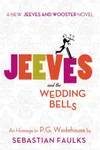
- Jeeves and the Wedding Bells (2013) by Sebastian Faulks – Written in Wodehouse's signature style, this novel features a cricket match and a series of classic mistaken-identity tropes, with Bertie and Jeeves even switching roles temporarily.
- Jeeves and the King of Clubs (2018) by Ben Schott – A clever homage that leans into the idea of the Junior Ganymede Club (the association for valets and butlers) working as a covert branch of the British Secret Service, placing Jeeves and Bertie in a light espionage plot.
- Jeeves and the Leap of Faith (2020) by Ben Schott – The sequel to Schott's first continuation, continuing the spy-thriller-meets-comedy elements in the pre-war era.
What to Know Before You Start
Wodehouse's world is a stylized, idyllic comedy of manners. The stories are built on recurring tropes: Bertie's terrifying aunts (Aunt Agatha, who "wears barbed wire next to the skin," and Aunt Dahlia, the loud but lovable publisher of Milady's Boudoir) demand that Bertie perform some impossible task, such as stealing a cow-creamer, matchmaking a reluctant friend, or breaking an unwanted engagement. When Bertie's own plans inevitably complicate the situation, Jeeves steps in to resolve the crisis with his superior intellect.
Because the books rely on formulaic but brilliantly executed farcical structures, reading them back-to-back can sometimes feel repetitive. The best way to enjoy the Jeeves canon is to space the books out, treating them as delightful palate cleansers between other reads.