

How to Read the Kirk McGarvey Series
David Hagberg’s Kirk McGarvey series is a cornerstone of the modern techno-thriller genre. Spanning 29 novels published between 1989 and 2022, the series follows the high-stakes career of a legendary CIA black ops officer who evolves from a lethal assassin into the Director of Central Intelligence, and eventually into a retired legend constantly dragged back into the line of fire.
For readers looking to dive into this gritty, realistic world of international espionage, understanding the timeline is key. While the vast majority of the series should be read in publication order to appreciate both character development and real-world historical context, a couple of late-series prequels add an interesting twist to the chronological order.
Recommended Starting Point
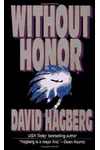
The best place to start is undoubtedly the very first published novel, Without Honor (1989). Reading the series in publication order allows you to experience the Cold War tensions of the late 1980s, transition into the post-Soviet era, navigate the War on Terror following 9/11, and deal with modern cyber warfare and shifting global alliances.
Starting at the beginning ensures you watch Kirk McGarvey age, build relationships, face devastating personal losses, and grapple with the heavy psychological toll of his profession. Reading the prequels first is not recommended for newcomers, as they contain references and structural framing that make more sense once you are already familiar with the veteran version of the character.
Chronological vs. Publication Order Caveats
The primary debate in the reading order revolves around two books published toward the end of the series:
- First Kill (2019): Published shortly before David Hagberg's passing, this book acts as an origin story. It takes readers back to 1974, detailing a young Kirk McGarvey fresh out of the Air Force OSI on his first official CIA black ops mission to assassinate a Chilean general.
- McGarvey (2020): Published posthumously, this novel also functions as a prequel. It follows a younger McGarvey investigating the mysterious, long-unsolved deaths of his parents, which ultimately leads him to cross paths with a rising Vladimir Putin.
If you want to read strictly chronologically, you would place First Kill and McGarvey at the very beginning of your reading list. However, because these books were written decades after the early entries, they benefit from Hagberg's highly polished late-career writing style and retroactively flesh out details of Kirk's past that were mysteries in the original books. We strongly advise sticking to the publication order for the most rewarding narrative experience.
The Complete Kirk McGarvey Publication Order
Here is the complete list of all 29 novels in the series, matching the publication order:
- Without Honor (1989) — Kirk McGarvey is drawn out of retirement to hunt a Soviet mole inside the CIA.
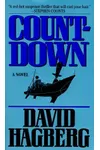
- Countdown (1990) — McGarvey races to stop a hijacked nuclear missile submarine.
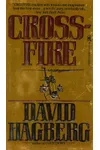
- Crossfire (1991) — A plot to assassinate the Soviet President threatens to destabilize global peace.
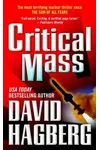
- Critical Mass (1992) — McGarvey must prevent a nuclear smuggling ring from decimating Europe.
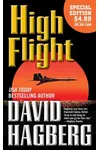
- High Flight (1995) — A high-tech thriller focusing on the sabotage of U.S. military satellite systems.
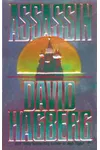
- Assassin (1997) — McGarvey is targeted by a legendary contract killer.
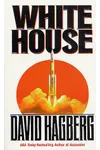
- White House (1999) — Conspiracy reaches the highest levels of the U.S. government.
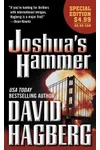
- Joshua's Hammer (2000) — A chillingly prescient novel where McGarvey hunts a terrorist plotting a weapons-of-mass-destruction attack on U.S. soil.
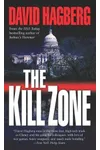
- The Kill Zone (2002) — McGarvey battles threats to the global energy grid.
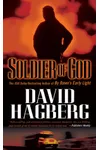
- Soldier of God (2005) — A post-9/11 thriller tracking suicide bombers targeting America.
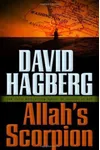
- Allah's Scorpion (2006) — McGarvey faces a complex terror plot involving a hidden desert stronghold.
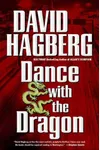
- Dance with the Dragon (2007) — Focuses on rising geopolitical tensions between the U.S. and China.
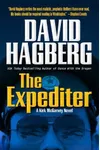
- The Expediter (2009) — McGarvey tracks a mysterious operator executing key geopolitical figures.
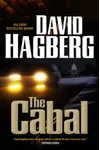
- The Cabal (2010) — A shadowy group attempts to manipulate the global financial system.
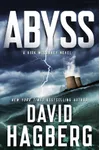
- Abyss (2011) — A deep-sea recovery mission turns into an international battleground.
- Castro's Daughter (2012) — A high-stakes mission centered around political shifts in Cuba.
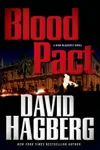
- Blood Pact (2014) — McGarvey uncovers a deadly alliance threatening U.S. security.
- Retribution (2015) — Personal vengeance and professional duty collide for a retired McGarvey.
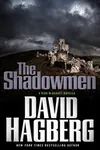
- The Shadowmen (2016) — An investigation into a secret group manipulating global intelligence.
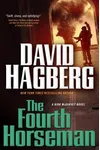
- The Fourth Horseman (2016) — McGarvey races to stop a devastating biological threat.
- 24 Hours (2016) — A fast-paced, real-time race against a ticking clock.
- End Game (2016) — A deadly confrontation that threatens to end McGarvey's career for good.
- Tower Down (2018) — A terrorist plot targeting iconic infrastructure.
- Flash Points (2018) — Rising regional conflicts threaten to spark a global war.
- Face Off (2018) — McGarvey faces an enemy who shares a dark history with him.
- First Kill (2019) — The prequel origin story of McGarvey's first assignment in 1974.
- McGarvey (2020) — Posthumously published prequel exploring his parents' deaths.
- Gambit (2021) — Posthumously published. McGarvey is hunted by an alliance of a billionaire and a Russian oligarch.
- Traitor (2022) — Posthumously published. McGarvey and Petey fight to clear their friend Otto's name.
What to Know Before You Start
David Hagberg's background heavily influenced the realism of the Kirk McGarvey series. Before turning to fiction, Hagberg served as a cryptographer for the U.S. Air Force Intelligence during the Cold War. His first-hand familiarity with military communications, codes, and the general mechanics of espionage gave his books an authenticity that earned high praise from actual intelligence professionals. He even regularly spoke at CIA functions.
The series is widely celebrated for its prescient storytelling. Most notably, Joshua's Hammer (2000), which detailed a terrorist plot to attack the United States using weapons of mass destruction, was written and published a year before the tragic events of September 11, 2001. Because of this and other timely plots, Hagberg was sometimes referred to by fans and critics as the "Nostradamus of novelists."
As you progress through the series, keep in mind that the books reflect the changing political landscape of the times they were written. Early books are heavily anchored in the twilight of the Cold War and the complex dissolution of the Soviet Union. Later books pivot toward counter-terrorism, cyber warfare, and corporate espionage. Watch for recurring supporting characters, particularly Kirk's partner and eventual wife, Petey, and the computer genius, Otto, who play critical roles in his survival and personal life.