











How to Read the Kitty Norville Series: The Recommended Reading Path
If you are ready to dive into the world of werewolf radio host Kitty Norville, the absolute best way to experience the story is in publication order. Carrie Vaughn structured the series with a tight, serialized narrative progression. Because Kitty's personal growth, her relationships, and the geopolitical status of the supernatural world evolve continuously from book to book, jumping around the main novels will lead to major spoilers and confusion.
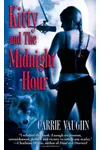
You should start directly with the first novel, Kitty and the Midnight Hour (2005). This book introduces Kitty's late-night radio show, 'The Midnight Hour,' which serves as a support line for the supernatural and inadvertently exposes werewolves and vampires to the public. From there, follow the publication sequence straight through to the grand finale, Kitty Saves the World (2015), and the retrospective collections.
Kitty Norville Books in Publication Order
Here is the complete publication order of the Kitty Norville books, novellas, and collections, based on Bookwrapt's official database records:
- Kitty and the Midnight Hour (2005)
- Kitty Goes to Washington (2006)
- Kitty Takes a Holiday (2007)
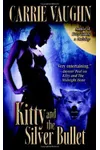
- Kitty and the Silver Bullet (2008)
- Kitty and the Dead Man's Hand (2009)
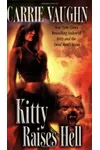
- Kitty Raises Hell (2009)
- Kitty's House of Horrors (2009)
- Kitty Goes to War (2010)
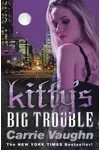
- Kitty's Big Trouble (2011)
- Kitty's Greatest Hits (2011) – Short Story Collection
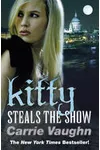
- Kitty Steals the Show (2012)
- Kitty Rocks the House (2013)
- Kitty in the Underworld (2013)
- Paranormal Bromance (2014) – Novella (often referred to as Book 12.5)
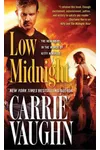
- Low Midnight (2014) – Novel (Book 13, focusing on Cormac Bennett)
- Kitty Saves the World (2015) – The main series finale
- Kitty's Mix-Tape (2020) – Retrospective Short Story Collection
In addition to these core entries, Carrie Vaughn published The Immortal Conquistador in 2020. This companion novella explores the backstory of the vampire Rick de Avila, stitching together his historical experiences from Coronado's 16th-century expedition to his present-day interactions.
Chronological Caveats & Reading Advice
While the publication order is the easiest path, the Kitty Norville universe is rich with short stories that expand on secondary characters and historical lore. If you want to integrate these, keep the following caveats in mind:
- Kitty's Greatest Hits (2011): This anthology collects stories written between 2003 and 2010. While some of these stories are chronologically set before the first novel—such as 'Dr. Kitty Solves All Your Love Problems'—it is highly recommended to read this collection after Kitty's Big Trouble to avoid spoilers regarding Kitty's pack dynamics and alliances.
- Paranormal Bromance (2014): Though listed as an individual entry in the main sequence, this novella focuses on a trio of vampires in Denver dealing with their 'unlife' struggles. It fits perfectly between Kitty in the Underworld and Low Midnight.
- Low Midnight (2014): Do not skip this book! Even though it shifts the spotlight from Kitty to her close ally and paranormal assassin Cormac Bennett as he investigates a decades-old mystery, the plot developments are critical to understanding the stakes of the final novel, Kitty Saves the World.
- Kitty's Mix-Tape (2020): This anthology serves as the final bookend. It features author notes, song recommendations for each story, and deeper background on the supporting cast, making it best read after you have completed the main novels.
Major Subseries and Key Perspectives
The series can be broadly divided into thematic arcs that help readers understand the shifting scale of Kitty's world:
The Denver & Pack Politics Arc (Books 1–4)
The early novels focus on Kitty's struggle with her identity as a werewolf and her fight for autonomy. She transitions from a submissive, abused pack member to an independent figure, all while dealing with local pack conflicts in Denver and managing the fallout of her radio show.
The National Stage & Supernatural Rights (Books 5–8)
In this phase, Kitty's influence expands globally. She testifies at a Senate hearing in Washington, navigates complex vampire politics, and becomes an public advocate for the civil rights of the paranatural community.
The Assassin & Companion Tales
Beyond Kitty's immediate narrative, Vaughn expands the lore through the eyes of her allies. Cormac Bennett's hunting exploits and Rick de Avila's centuries-long journey as a vampire who retains his humanity provide a much wider scope to the series' mythology, showing how the paranatural world operates outside of Kitty's radio station.
What to Know Before You Start
Before you tune in to 'The Midnight Hour,' here are a few practical tips to keep in mind. Carrie Vaughn’s series stands out in the urban fantasy genre because it rejects the typical 'lone wolf alpha monster' trope. Kitty is refreshing, vulnerable, and deeply human; her strength lies in communication, empathy, and community-building rather than raw physical dominance. While there is plenty of action, the narrative also tackles heavy topics like recovery from trauma, prejudice, and systemic abuse with a light, engaging touch. While the main novels are not designed to be read as standalones, many of the short stories in the collections are accessible entry points for casual readers.