

How to Start Reading Magic: The Gathering
Step into the enchanting multiverse of Magic: The Gathering, where planeswalkers wield unimaginable power and every card tells a story! This groundbreaking fantasy series, born from the iconic trading card game, weaves epic tales across a vast cosmos of magical realms. Since its debut in 1993, Magic: The Gathering has transcended its card game roots to become a literary phenomenon. With dozens of books, the series expands the game’s rich lore, offering fans a deeper dive into its spellbinding worlds.
Because the book series spans decades, multiple publishers, and various narrative structures, finding a starting point can be intimidating. Fortunately, there are three primary paths that readers recommend depending on what you want out of the lore:
- The Foundational Start (The Artifacts Cycle): Start with The Brothers' War by Jeff Grubb. This is widely considered the ultimate entry point for core MTG lore, detailing the catastrophic conflict between Urza and Mishra that shapes the history of the entire multiverse.
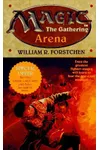
- The Retro Start (The Pre-Revisionist Era): Start with Arena by William R. Forstchen. This was the very first Magic novel published, capturing the early, wild-west feel of the game's setting before its modern canon was strictly established.
- The Modern Standalone Start: Read Children of the Nameless by Brandon Sanderson. Set on the gothic plane of Innistrad, this novella is highly praised for its engaging story, brilliant magic system, and accessibility to newcomers who don't want to commit to a multi-novel cycle.
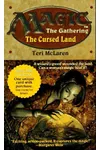
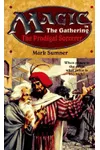
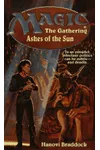
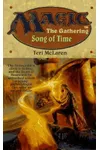
The Pre-Revisionist Era: HarperPrism's Early Novels (1994–1996)
Created by mathematician Richard Garfield, Magic: The Gathering started as a revolutionary card game under Wizards of the Coast. Its innovative multiverse concept allowed endless storytelling possibilities across diverse planes. In 1994, publisher HarperPrism launched the first wave of novels to flesh out this universe, starting with Arena. The early novels were unnumbered to avoid intimidating readers, a clever marketing move by publishers wary of multi-book series.
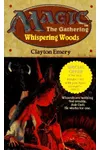
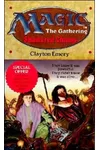
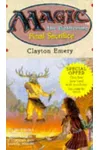
These early books are known as "pre-revisionist" because they were written before Wizards of the Coast fully centralized and revised the game's lore. While some elements contradict later canon, they are beloved for their unique style and grit. Notably, the first five books came with coupons redeemable for unique, exclusive promo cards. Within this era, the "Greensleeves Trilogy" (comprising Whispering Woods, Shattered Chains, and Final Sacrifice) by Clayton Emery follows the druid Greensleeves and her brother Gull in a battle against corrupt spellcasters.
The Artifacts Cycle: The Foundation of MTG Lore
While Wizards of the Coast later took over publishing, tying novels closely to game expansions, they established the foundational narrative of Dominaria through the Artifacts Cycle. Although The Brothers' War was published in 1998, it stands as the chronological beginning of the main timeline's conflicts. It is followed by Planeswalker, Time Streams, and Bloodlines, which track Urza's multi-millennial crusade against the mechanical horrors of Phyrexia. Understanding this cycle makes later references to cards, characters, and historical planes far more rewarding.
The Block Era: Planes-Hopping and Standalone Cycles
As the card game evolved into blocks (sets of three expansions sharing a theme), the novels followed suit. Each block was accompanied by a trilogy of novels explaining the story behind the cards. This era introduced readers to iconic planes beyond Dominaria, featuring distinct cultures, guilds, and magic systems:
- Mirrodin Cycle: Set on a world made entirely of metal, this cycle includes The Darksteel Eye (2004) by Jess Lebow, tracking the metallic ecosystem and the mysterious dark steel.
- Alara Cycle: Featuring Alara Unbroken (2009) by Doug Beyer, this story details the collision of five fractured shards of a single plane.
- Zendikar Cycle: Zendikar: In the Teeth of Akoum (2010) by Robert B. Wintermute explores a wild, shifting landscape of ancient traps and rising primordial horrors.
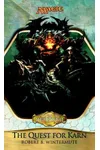
- Scars of Mirrodin Cycle: Scars of Mirrodin: The Quest for Karn (2011) follows the tragic corruption of the metallic plane by the Phyrexian oil.
- Theros Cycle: Theros: A Godsend Novel (2014) and Journey Into Nyx: Godsend, Part II (2014) by Jenna Helland introduce a world inspired by Greek mythology, focusing on the planeswalker Elspeth Tirel and the pantheon of gods.
The Legends Cycle: Regional Lore
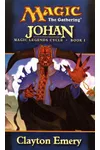
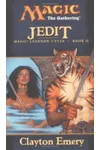
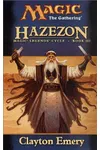
For readers interested in classic characters from the game's early history, the Legends Cycle I (written by Clayton Emery) provides a focused, localized conflict in the region of Jamuraa. Comprising Johan (2001), Jedit (2001), and Hazezon (2002), this trilogy retells and expands the stories of legendary creatures Johan, Jedit Ojanen, and Hazezon Tamar. While they do not heavily impact the cosmic planeswalker conflicts, they are excellent pulp fantasy adventures detailing the regional wars and the summoners of Jamuraa.
What to Know Before You Start
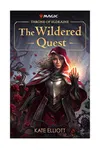
Before diving in, keep in mind that the medium of Magic's storytelling has shifted over the years. Around 2013, Wizards of the Coast phased out traditional mass-market paperback block trilogies, moving first to digital ebooks (like Kate Elliott's 2019 Eldraine tie-in Throne of Eldraine: The Wildered Quest) and eventually to free, serialized web fiction on the official Magic website. While print novels are excellent for historical depth, the modern narrative lives online, which is perfect for readers wanting to stay current with the latest card sets.